
Maritime
NIMASA Moves To Save Over $40,000, Bans Foreign Vessels

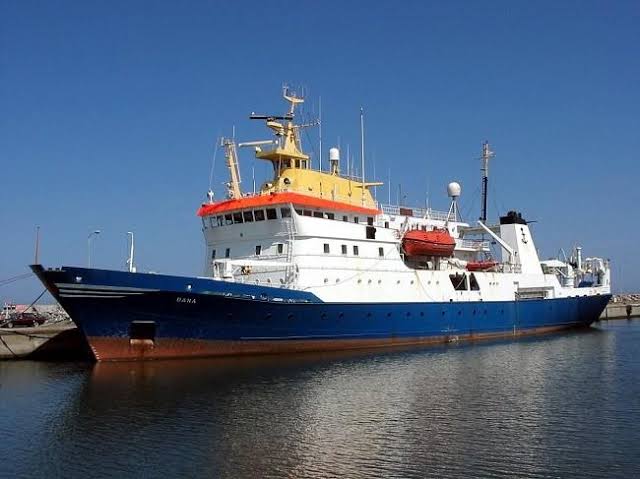
The Nigerian Maritime Administration and Safety Agency (NIMASA has announced a bold move stopping foreign vessels from operating in Nigeria’s cabotage environment.
NIMASA in a public notice recently said the action was taken to enhance enforcement of the statutory requirements for indigenous participation in Nigeria’s Cabotage trade and maritime activities.
NIMASA is laden with the statutory mandate of implementing applicable laws including the NIMASA Act 2007 and the Coastal and Inland Shipping (Cabotage) Act 2003, in addition to the Cabotage regulations which altogether seek to empower local shipowners and advance indigenous shipping.
Explaining the new policy action, NIMASA stated, “Under the enhanced enforcement regime, all persons and entities requiring vessels for Cabotage operations are required to use vessels that meet applicable Nigerian ownership, registration, manning and construction requirements and are duly registered in the Special Register for Vessels and Ship Owning Companies Engaged in Cabotage.”
The Agency further required all vessels, owners, operators, charterers, managers and other stakeholders engaged in Cabotage activities to maintain valid statutory certificates, licenses, registrations and other required documentation.
“Cabotage vessels must, as applicable, be wholly owned by Nigerian citizens, duly registered in the relevant Special Register, manned by Nigerian citizens and built in Nigeria.
“Deployment of vessels that do not meet these requirements may only be considered where the requisite Nigerian capacity is unavailable and the statutory conditions have been established and verified by NIMASA,” the agency added.
Experts and indigenous shipowners have lamented that over $40,000 is lost to foreign ships doing business in Nigerian waters daily. The amount translates to a whopping $14.5 million (about N20.15 billion) in a year.
“The Agency will continue to monitor compliance with the Cabotage Act, its regulations and applicable guidelines, in a bid to entrench maritime governance and ensure that jobs meant for Nigerians are not outsourced,” NIMASA assured.
While the Cabotage Act provides the right of first refusal to indigenous vessels, foreign vessels have continued to do over 95% of cabotage businesses in Nigeria. Industry players cite lack of capacity and non-availability of standard vessels from indigenous shipowners.
The new policy move may now require foreign vessels to partner local shipowners to assume indigenous ownership in order to continue to do business in Nigeria if NIMASA would actually implement the action to the letter.


Continue Reading
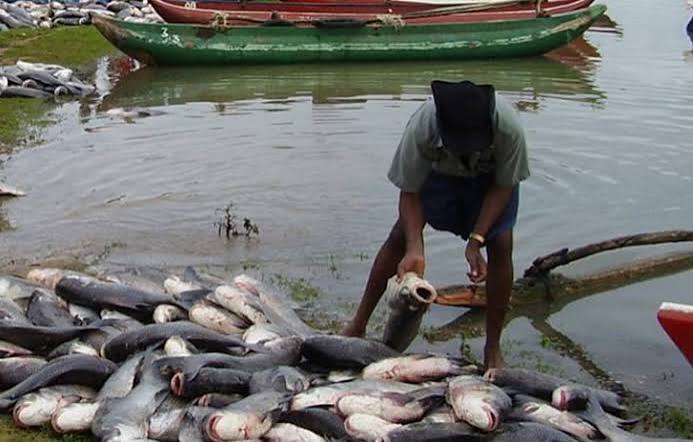
The Federal Ministry of Marine and Blue Economy has moved to translate recommendations on boosting fish production in Nigeria into concrete action, with the Minister of Marine and Blue Economy, Dr. Adegboyega Oyetola, inaugurating a technical committee to drive implementation.
Oyetola, who inaugurated the “Technical Committee on Accelerating Fish Production in Nigeria” in Abuja last week, said the initiative was aimed at moving beyond policy recommendations to coordinated action capable of delivering measurable improvements in the country’s fisheries and aquaculture sector.
He said fish remained a critical source of animal protein for millions of Nigerians, while the fisheries and aquaculture value chain provided livelihoods through production, processing, marketing, transportation and other related services.
“Fish is an important source of animal protein for millions of Nigerians. The fisheries and aquaculture sector sustains livelihoods across production, processing, marketing, transportation and related services.
“However, domestic production remains substantially below national demand, with consequences for food security, household incomes and foreign-exchange resources,” he said.
Oyetola identified high production costs, particularly the cost of feed, inadequate access to quality fish seed and broodstock, weak fish-health and biosecurity systems, post-harvest losses and insufficient cold-chain and storage infrastructure among the major challenges confronting the sector.
He also cited limited access to affordable finance, gaps in research and innovation, weak data systems, as well as inadequate standards, traceability and market development as constraints that must be urgently addressed.
According to the Minister, “The transfer of fisheries and aquaculture functions to the Federal Ministry of Marine and Blue Economy has provided a stronger institutional platform for addressing these challenges as part of Nigeria’s broader blue-economy development.”
He reaffirmed the ministry’s commitment to increasing sustainable domestic fish production, strengthening the fisheries value chain and progressively reducing Nigeria’s dependence on fish imports.
The Minister recalled that ministry, in collaboration with the National Institute for Policy and Strategic Studies (NIPSS), convened a strategic roundtable on October 29, 2025 on accelerating fish production in Nigeria, which produced recommendations aimed at addressing production and value-chain constraints.
He said the newly inaugurated committee had been constituted to rigorously assess those recommendations and turn validated proposals into a practical, prioritised implementation roadmap.
“Your assignment is not to develop another policy or establish a parallel programme,” Oyetola told members of the committee, stressing the report of the roundtable must be assessed against the National Policy on Marine and Blue Economy, the National Fisheries and Aquaculture Policy, relevant laws, existing government programmes and the statutory mandates of relevant institutions.
He charged the committee to scrutinise every recommendation and determine whether it should be adopted, refined, integrated into existing frameworks, subjected to further study or set aside as unviable.
The minister urged members of the technical committee, drawn from government, academia, professional bodies, research institutions and industry, to approach the assignment with urgency, objectivity and a strong focus on results. He said their recommendations must be realistic, evidence-based and financially responsible, while delivering tangible gains in fish production, job creation and food security.
Oyetola assured the committee of the ministry’s institutional support and expressed confidence that its work would provide a practical pathway for accelerating growth in Nigeria’s fisheries and aquaculture sector.
Speaking earlier, the Permanent Secretary of the Federal Ministry of Marine and Blue Economy and Chairman of the committee, Mrs Fatima Sugra Mahmood, assured the committee would approach its mandate with a strong sense of responsibility, ensuring the recommendations of the roundtable would be thoroughly reviewed and translated into practical interventions capable of delivering measurable results.
She said the committee would work closely with relevant government institutions, researchers, industry stakeholders and development partners to identify priority actions, address existing gaps and develop a realistic implementation roadmap to accelerate sustainable fish production, strengthen the fisheries value chain and contribute to Nigeria’s food security and economic development.
A member of the committee, Prof Akintola Shehu Latunji, Professor of Fisheries at Lagos State University, who spoke on behalf of other members, thanked the Minister for inaugurating the committee. He said the committee would work with relevant stakeholders to deliver its mandate and catalyse fish production across the country.
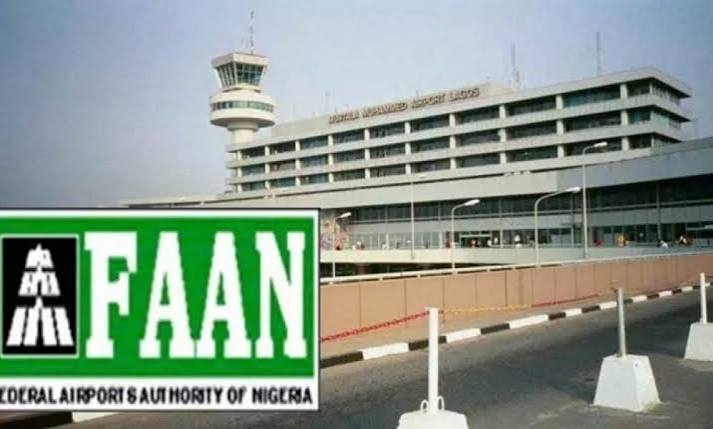
The Federal Airports Authority of Nigeria (FAAN) has cleared Bolt to resume operations at all FAAN-managed airports after both parties reached an agreement on how the ride-hailing company will operate within the airport environment.
FAAN announced this in a statement made available to Aviation Journalists and signed by its Director of Public Affairs and Consumer Protection, Henry Agbebire, last Thursday.
The authority also dismissed claims that it had introduced or undertaken control of airport taxi fares.
The development followed complaints from travellers over the temporary suspension of e-hailing services at the airports, with many passengers raising concerns about the higher cost and inconvenience caused by the disruption.
FAAN, while announcing the resolution, apologised to passengers affected by the situation and said it had taken their concerns into consideration.
FAAN said it had been dealing with challenges associated with commercial and e-hailing vehicles operating at airports for almost 10 years.
According to the authority, some of the issues included passenger solicitation, touting, random pick-ups, unregulated operations and concerns over safety and accountability.
It said some drivers also operate on multiple platforms, making it necessary to have better control and visibility over commercial transportation within the airport environment.
To address the situation, FAAN said it has introduced the Airport Car Hire Rank Management System (ACHRAMS) to organise the activities of authorised airport car-hire operators.
FAAN stressed that ACHRAMS was not designed to compete with popular e-hailing platforms such as Bolt and Uber.
“ACHRAMS is not an e-hailing application and was never conceived as a competitor to Uber, Bolt or any other mobility platform.
“It is also important to clarify that the fares highlighted in some of the recent public discussions were not rates newly imposed by FAAN or created by ACHRAMS.” The statement explained.
FAAN in the statement said airport taxi fares existed before the introduction of ACHRAMS, adding that the system only made the existing rates more visible to passengers.
The authority, however, admitted that the difference between the airport taxi fares and the cheaper rates for passengers were used to paying on e-hailing platforms contributed to the public backlash.
“FAAN is aware of and deeply appreciates the concerns expressed by passengers over the increased cost and inconvenience experienced during the temporary interruption of e-hailing services.
“We sincerely apologize for the difficulties this caused our passengers.” the statement also said.
The authority maintained that its decision was driven by safety, security and regulatory concerns rather than an attempt to make money from airport transportation.
“While the authority’s actions were driven by regulatory, safety and security considerations rather than economic interests, FAAN acknowledges that the immediate impact on passengers was significant. We listened, reflected and made the necessary adjustments.
“Following discussions between both sides, an agreement had now been reached with Bolt on the company’s operations at airports.
“The authority is therefore pleased to announce that, following constructive engagements, FAAN and Bolt have reached an agreeable operational framework and Bolt is cleared to commence its services at FAAN-managed airports immediately.” FAAN announced.
According to the statement, the agreement would allow it to maintain security and order within airports while giving passengers the convenience and freedom to choose e-hailing services.
FAAN said its responsibility was to ensure that all approved operators worked within a safe, secure, and orderly airport environment.
FAAN thanked travellers for their patience and understanding, stressing that passenger safety, security, convenience and overall experience remained central to its decisions.
By: Enoch Epelle
Maritime
NCDMB Canvases Pan-African Local Content Synergy For Economic Diversification, Industrial Dev.

The Nigerian Content Development and Monitoring Board (NCDMB), has called for deeper collaboration among African nations to unlock the continent’s enormous local content potentials and accelerate economic diversification, industrial growth, and sustainable development across the oil and gas value chain.
The position was presented during a strategic engagement in Namibia with focus on African Local Content Opportunities and cross-border partnerships.
Executive Secretary of the Board, Engr. Felix Omatsola Ogbe, represented by Dr. Abdulmalik Halilu highlighted the importance of leveraging African capabilities, harmonising local content policies, and fostering strategic partnerships among African businesses to maximise value retention within the continent.
Speaking on the theme, “African Local Content Opportunities: Pathway to Economic Diversification and Development,” Dr. Halilu noted that several African countries have established legal and regulatory frameworks for local content development, creating a foundation for greater regional integration and industrial cooperation.
He emphasized that African local content should promote the development and utilisation of cross-border capacities and capabilities as a catalyst for the industrialisation of the continent.
Ogbe referenced key aspirations of the 2025 APPO Ministerial Council’s Brazzaville Declaration, which encourages African nations to strengthen supplier capacity, support skills development and knowledge transfer, promote joint ventures and partnerships, harmonise local content regulations, and encourage public-private partnerships to enhance African participation in the oil and gas industry.
He further showcased existing African capabilities across fabrication, engineering, manufacturing, subsea services, marine operations, and project execution, demonstrating that the continent possesses significant capacity that can be leveraged through strategic collaboration among African companies and institutions.
Drawing from Nigeria’s local content success story, he highlighted the transformative impact of a data-driven implementation framework, noting the significant growth achieved since the enactment of the Nigerian Oil and Gas Industry Content Development (NOGICD) Act.
The Board’s Scribe emphasised that robust data systems, compliance monitoring, supplier development initiatives, and strategic investments have strengthened local participation and enhanced industry competitiveness.
According to him, the future of African local content lies in practical business-to-business partnerships that enable companies from different African countries to jointly pursue and execute major projects.
He outlined partnership models such as prime-subcontractor arrangements, incorporated local content joint ventures, contractual consortium bids, and reciprocal market access alliances as effective mechanisms for expanding African participation in large-scale energy projects.
The NCDMB boss stressed that realising a truly integrated African local content ecosystem would require coordinated action across multiple sectors, including regulatory harmonisation, trade facilitation, customs cooperation, immigration reforms, and access to sustainable financing.
He also endorsed initiatives aimed at creating a Pan-African supplier database and interactive opportunities platform to aggregate and showcase African capabilities.
“The opportunities available across Africa can only be fully unlocked through deliberate and synchronised efforts that enable cross-border service delivery and industrial collaboration.
“The Brazzaville Declaration represents an important starting point, but implementation, partnership, and policy alignment will ultimately determine the success of Pan-African local content”, Ogbe said.
The NCDMB’s helmsman further emphasised that the Board believes that leveraging the African Continental Free Trade Area (AfCFTA) framework and strengthening cooperation among African institutions and businesses will create new opportunities for indigenous companies to compete, collaborate, and deliver world-class projects across the continent.
Meanwhile, during the first panel session, the Director, Monitoring and Evaluation, Mr. Esueme Dan Kikile, Esq., shared his views on Global Best practices, perspectives on strategies for strengthening local participation and maximising in-country value in the oil and gas industry.
Kikile further called Namibians to explore practical approaches to supplier development, skill transfer, enterprise growth and sustainable local content with discussions highlighting lessons from successes of other oil producing countries and their various relevance to building a resilient and sustainable oil and gas sector.
Similarly, at the exhibition tour at the Namibian Oil and Gas Conference (NOGC), Vice President of Namibia, Mrs. Lucia Witbooi, Vice President of Namibia, visited the Nigerian Content Development and Monitoring Board (NCDMB) exhibition stand.
A Statement from the Division of Corporate Communications of the NCDMB noted that Namibian Vice President was warmly received by Mr. Esueme Dan Kikile, Esq., Director of Monitoring & Evaluation of the Board, alongside other staff.
The Statement added that Kikile highlighted the Board’s mandates and activities, emphasising the significance of the Nigerian Oil and Gas Industry Content Development (NOGICD) Act and its transformative impact on Nigeria’s oil and gas industry.
He also underscored the importance of regional collaboration and knowledge exchange in advancing sustainable growth across Africa’s energy sector.
By: Ariwera Ibibo-Howells, Yenagoa
-
 News2 hours ago
Fubara Reaffirms Commitment To Education, Awards Scholarship To Team Rivers
-

 Business30 seconds ago
Manufacturers Pay N74.5bn Tax As Reforms Offer Relief
-

 Sports7 hours ago
Everton Hold Bournemouth At Vitality
-

 News2 hours ago
Collaboration With NAF Key To Securing Rivers, Nigeria’s Economy -Fubara
-

 News2 hours ago
Rivers Is Crime-Free, Says CP
-

 News2 hours ago
Fubara Charges Kenpoly Students To Be Job Creators
-

 News2 hours ago
Flood Sacks Okachalla Community As Residents Seek Govt Intervention
-

 News2 hours ago
Jonathan, Obi Of Onitsha To Attend Opobo Monarch’s Coronation