
Opinion
Women And Overweight Syndrome

Studies have enlightened us that from age 40, women have greater tendency to become overweight at the slightest provocation. The explanation given was that, at this age, the digestive system slows down and the body is no less likely to engage in any physical activity that would encourage speedy burning of fat.
For this reason, medical experts and nutritionists who understand the health implication of getting unusually fat have had to caution against lifestyle that may facilitate it. Coincidentally, over time, most women and ladies had thought that one way to gain the public’s approval of their appearance is by looking robust and weighty.
As a result, many of them had undertaken some feeding regime that could facilitate an eventual robust posture. This dieting programme which, of course, emphasises foods high in carbohydrate and starch, junk foods, soft drinks and candy coupled with a life style devoid of physical exercise, constitute a hasty invitation to overweight.
Alternatively, fatty looks are also invited through self administration of appetite boosters which leaves its users hungry and drowsy. When people eat more calories than they use, their bodies store the extra calories as fat. A couple of pounds of extra body fat are not a health risk for most people. But when people keep up a pattern of eating more calories than they burn, more and more fat builds up in their bodies.
Eventually, the body gets to a point where the amount of body fat can harm a person’s health. Doctors use the terms “overweight” or “obese” to tell if someone has a greater chance of developing weight-related health problems.
Howbeit, research has shown that this attitude does not only have the danger of hampering the agility of the brain, but may increase the risk for many health problems, including Type 2 diabetes, high blood pressure, heart disease and strokes. Others include certain types of cancer, sleep apnea, osteoarthritis, fatty liver disease, kidney disease, pregnancy problems such as high blood sugar during pregnancy, high blood pressure, and increased risk for cesarean delivery (C-section)
Although, no sane woman would want to be overweight, popular opinion has it that women are propelled by the desire to boost their physique a little but because they are not properly guarded, they over do it and the unexpected becomes the case. It is for this reason that the need to have our mentality and attitude towards our natural look overhauled has become imminent.
People need to be told that there is a reason for the way they are made and so attempts to have natural physique altered by way of boosting it out of proportion must be discouraged in its entirety as they have caused more harm than good. Many who dared it have not only turned overweight, they have incurred some health problems upon themselves all in a bid to look good and attractive.
Like a writer once wrote, “apart from the obvious physical discomfort and ailment that come with overweight, there can also be a deep-seated psychological trauma which is usually characterised by a pervading sense of low self-esteem, insecurity or inferiority complex, that many overweight people have to contend with”.
Being too fat, therefore, especially in very mature people increases the vulnerability of the person to several diseases which could have been prevented by not to have introduced any biological or chemical catalyst to interfere with the natural state of the body.
Diseases such as heart-related cases, high blood pressure, frequent muscular pains and spasm, diabetes, bone ache etc are cases associated with overweight. Nevertheless, some cases of overweight had been linked to genetical inheritance while some have their own ordeal due to the agitation of some hormones as a result of child birth.
All the same, the arousal of the consciousness of the danger of too much fat in the body is only what is paramount this time. Whether it is a natural course or a self-propelled factor, looking out for its signs and administering its antidotes in good time will go a long way in tackling this monster called overweight.
People between the ages of 50 and 60 should adopt and maintain healthy habits, stay off oily foods, alcohol, sugary foods and fried foods. They should grill, boil or steam their food instead of frying. Prevention, they say, is better than cure. It is advisable to maintain a good eating habit and exercise regularly.
The fact that once the mistake is established, it becomes difficult to reverse, makes it necessary to view this craze-to-be-fat syndrome, as an anomaly that needs be corrected and possibly be nipped in the bud through the use of an enlightenment campaign or any other form of public education that could be very effective at reaching especially the grassroots women.
By: Sylvia ThankGod-Amadi




Quote: “The Flamingos have conquered the world; Nigeria must now rise to its responsibility of nurturing the next generation of champions.”
Sometimes, sporting victories
More significantly, they
Umejiaku deserves special
Umejiaku received the award
Nigeria has now broken into
For too long, young girls in
But beyond the reward, this
As Nigerians celebrate this
By; Calista Ezeaku
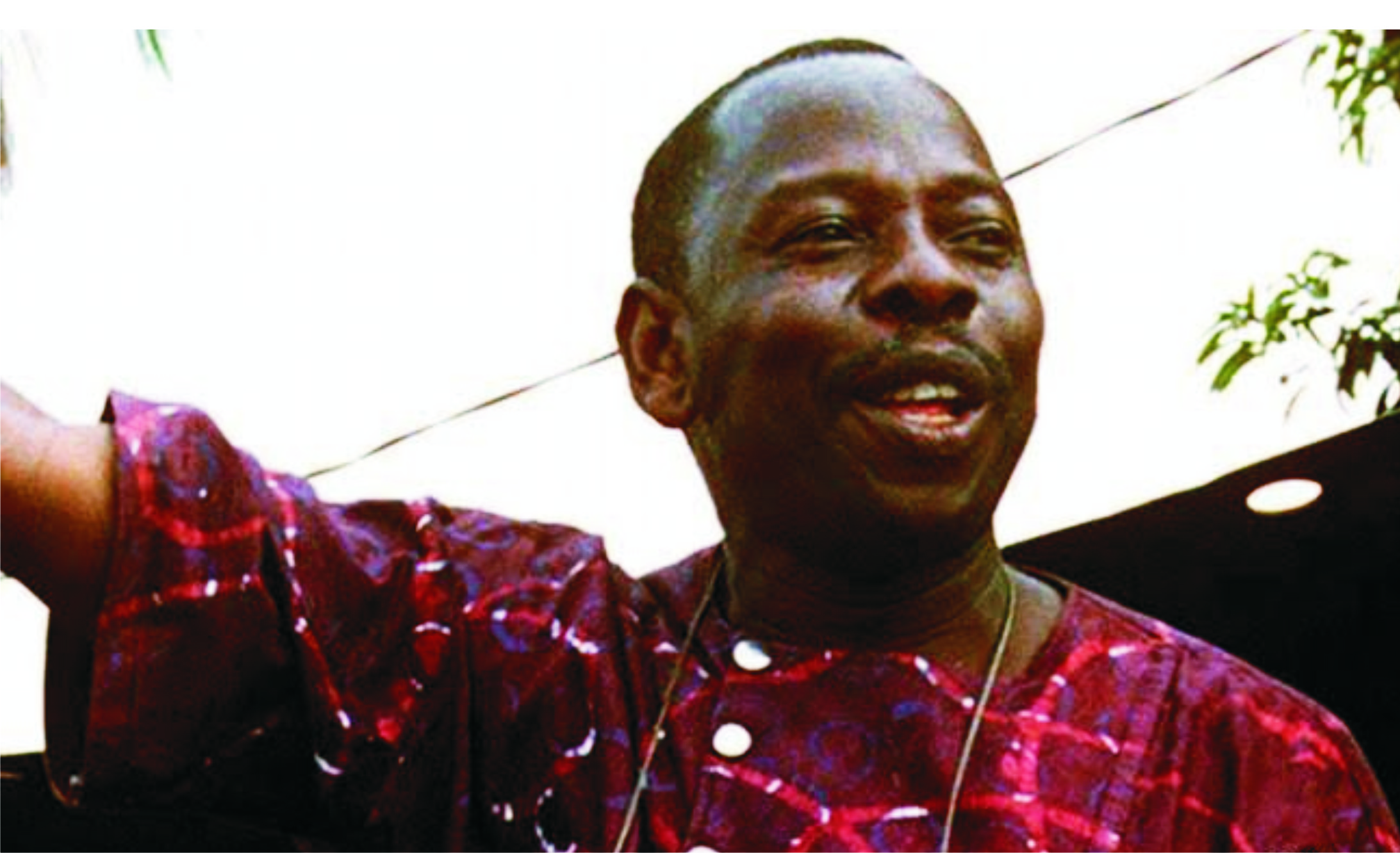
On November 10, 1995, the Nigerian military government of General Sani Abacha executed Ken Saro-Wiwa and eight other Ogoni leaders after a deeply controversial trial. Their deaths marked one of the darkest chapters in Nigeria’s history. At a time when fear silenced citizens and sycophancy flourished around military power, Saro-Wiwa chose to confront tyranny. Many Nigerians retreated into silence, while others praised the regime to secure favour. He knew the risks, yet refused to abandon a people whose land had been devastated by oil exploration and whose lives remained trapped in poverty. His courage arose from the conviction that public responsibility sometimes demands resistance to authority. Saro-Wiwa understood that speaking against a military government could lead to imprisonment or death.
Nonetheless, he believed the suffering of the Ogoni people demanded a courageous response. While oil was extracted from their land, they were left with polluted rivers, damaged farmland, declining livelihoods and an environment hostile to human survival. Fishing grounds and sources of livelihood were threatened, while the people struggled to secure basic amenities. The wealth beneath their soil brought neither adequate development nor a fair share of national resources. For him, silence in the face of injustice would have amounted to complicity. Through the Movement for the Survival of the Ogoni People (MOSOP), he organised a peaceful campaign that took the Ogoni question to the international community. MOSOP gave ordinary people an organised platform through which to express their grievances and insist on recognition.
The Ogoni Bill of Rights, presented to the Federal Government in 1990, demanded political autonomy, economic justice, environmental protection and control over the people’s resources. The campaign exposed the human and ecological costs of oil operations, particularly those associated with Shell, and challenged the apparent alliance between corporate interests and an unresponsive State. The Ogoni struggle became a defining expression of minority rights and environmental justice in Nigeria and Africa. Saro-Wiwa’s writings and mobilisation drew attention to communities treated as expendable because of their limited population and political influence. He argued that numerical strength should never determine a people’s value or rights.
A minority community does not become less deserving of justice because it cannot command electoral numbers or political power. In Nigeria, every ethnic group deserves dignity, protection and a fair opportunity to benefit from the commonwealth. Rather than respond to peaceful agitation with dialogue, the Abacha regime resorted to repression. Ogoni leaders were harassed, detained and killed; others fled into exile. The crisis intensified after four Ogoni chiefs were killed in May 1994. Saro-Wiwa and other MOSOP leaders were arrested, tried by a special tribunal and executed despite international appeals for clemency and serious concerns about the trial’s fairness. The executions drew worldwide condemnation and intensified scrutiny of Nigeria’s human-rights record and oil companies in the Niger Delta.
They demonstrated the danger of using State institutions to suppress peaceful demands. The proceedings remain a reminder of the need for judicial independence and due process. Saro-Wiwa’s courage rested on the conviction that justice must be pursued despite the cost. His method combined non-violent resistance, public education and grassroots organisation. His struggle recalled the civil-rights campaign of Martin Luther King Jr. and the power of peaceful mobilisation against injustice. Saro-Wiwa linked environmental degradation to political exclusion, economic exploitation and the denial of democratic rights. Oil-producing communities, he insisted, should not remain zones from which wealth is removed to develop other parts of the country.
Their people must benefit through roads, schools, healthcare, jobs and clean water. Resource extraction carries a duty to protect host communities. His argument extended to the structure of the Nigerian federation. He challenged a revenue-allocation system that made oil-producing communities bear the environmental and social costs of extraction without commensurate benefits. Like advocates of fiscal federalism, he believed resources should be managed and shared equitably. He envisaged a society in which no community would be disadvantaged by its size, ethnicity, political affiliation, culture or religion. His vision was a country bound together by justice and equal citizenship. Saro-Wiwa was also a gifted writer, dramatist and public intellectual.
Through books, essays, plays and television, he documented Nigerian society’s contradictions and challenged abuses of power. His popular television series, Basi and Company, demonstrated his creative range, while his leadership of the Association of Nigerian Authors encouraged writers to engage national questions. He believed literature should not be detached from society’s struggles. His pen exposed environmental injustice, political repression and the dangers of silencing courageous voices. He used storytelling, satire and drama to shape public consciousness and expose social contradictions. His literary achievements gave his activism wider reach and made the Ogoni experience part of national conversation. His commitment to the Ogoni people extended beyond the oil question.
During the Civil War, he worked to protect his vulnerable community. He urged younger generations to reject subservience and complacency and pursue change through lawful, peaceful means. Citizens, he believed, must not surrender their responsibility to challenge wrong doing. An injury to one community threatens the rights and security of all. The return to democratic government in 1999 and the establishment of the Niger Delta Development Commission, the Ministry of Niger Delta Affairs and the Hydrocarbon Pollution Remediation Project (HYPREP) are among developments that have kept the region’s demands in public view. Saro-Wiwa did not create these institutions, but his movement helped expose the urgency of intervention and sustain pressure for redress.
His death made it harder to ignore the Niger Delta’s environmental and political grievances. Yet, interventionist institutions do not prove that the original demands have been met. Their effectiveness depends on competent leadership, transparent spending, measurable outcomes and community participation. Yet, thirty-one years after his execution, the central concerns of the Ogoni struggle remain unresolved. The HYPREP-led clean-up has offered hope, but many residents await meaningful improvements. Questions persist about the programme’s pace, quality and transparency, and whether its benefits reach ordinary people. A clean-up should be judged not by ceremonies or contracts, but by restored land and waterways, safe drinking water, improved livelihoods and better public health.
It must include long-term monitoring to ensure treated sites remain safe. Residents deserve information about contamination, remediation methods and completion timelines. Reports that water projects in Gwara and Ebubu Communities, in Khana and Eleme Local Government Areas respectively, failed weeks after commissioning have raised further concerns. If confirmed, the failures would indicate weaknesses in supervision, procurement and quality control.
To be continued in our next edition.
Taneh Beemene
-
Business2 days ago
BSG Partiner American Coy To Invest $100m In Gas Processing
-

 Oil & Energy2 days ago
FG To Double Oil, Gas Reserves, Moves To Intensified fresh Exploration
-
Business2 days ago
Seme Customs Intercepts Live Pacific Ridley Sea Turtle
-
Business2 days ago
159m small businesses registered on database in three years – SMEDAN boss
-
Sports2 days ago
Fernandes Turns Down Man Utd Offer
-
Sports2 days ago
Rivers To Host National Table Tennis Championship
-
Maritime2 days ago
Nimasa,China MSA Sign Bilateral Maritime Agreement
-

 Sports2 days ago
Kenyans Win PH International Marathon, Cart Home $10,000