
Business
Recession: Rivers, Bayelsa MAN Lists Antidotes

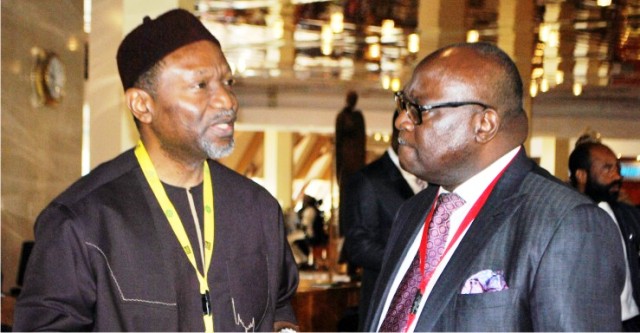
The Manufacturers Association of Nigeria (MAN) says, the country would easily recover from its present economy challenges, if the governments as the highest spenders should begin to patronizing made-in-Nigeria’s products.
The Association made its suggestion in a pre-Annual-General Meeting press statement signed by the Chairman of its Rivers/Bayelsa States branch, Prince Charles Beke and read by his representative, the 1st Vice Chairman of the branch, Mr. Vincent Okuku in Port Harcourt.
The Association called on governments at all levels to consult widely with major stakeholders for effective policy formulation to tackle recession in the country.
The manufacturers, who decried the activities of tax agents and consultants toward its members and other corporate citizens, also called on governments of Rivers and Bayelsa State to do away with such agents and collaborate with the organized bodies like MAN and others to recover its revenue generation devoid of harassment and unconducive business environment.
According to the Association, Manufacturers in both States (Rivers/Bayelsa) had since last year been facing challenges like multiple taxation, harassment by tax agents, scarcity of Forex, fall in the exchange rate of Naira, Introduction of list of items not valid for Foreign exchanges at the Inter-bank market and the introduction of Flexible exchange regime, amongst others.
The Association commended the governments in Nigeria, including the Rivers and Bayelsa States for their readiness in tackling the current recession in the country, advised the governments to double up its budgets implementations as part of the measures to addressed economic challenges.
Meanwhile, the Chairman of the Rivers/Bayelsa States branch of Manufacturers Association of Nigeria, prince Chales Beke has announced the 32nd Annual General meeting of the Association scheduled to hold on October 20, 2016 in Port Harcourt.
Enoch Epelle



Business
Jonathan, Diri, Others Laud Firm’s Milestone in Bayelsa …Says Project Will Drive Industrialisation, Create Jobs



-

 News2 days ago
RSG Targets Nine Million Residents in Mosquito Net Distribution Campaign
-

 Oil & Energy2 days ago
Aiyedatiwa Signs New Electricity Bill
-

 Oil & Energy2 days ago
NLNG Commissions Research And Innovation Centre In RSU
-

 Maritime2 days ago
Marine Minister Commends President Tinubu On NPERA Bill Assent
-

 News2 days ago
KenPoly Holds Eight Convocations, August 29
-

 News2 days ago
RSG Begins Another Phase of Projects Commissioning Today
-

 News2 days ago
RMAFC Completes Revenue Sharing Review, Proposes New Pay
-

 Maritime2 days ago
NAGAFF Petitions IGP Over Alleged Maritime Police Harassment