
Politics
Zoning Arrangement May Suffer Setback In Abia

The existing zoning arrangement in Abia Central Senatorial zone may be altered if the Peoples Democratic Party accedes to the request by Senator Nkechi Nwaogu for a second term.
At the dawn of the current democratic dispensation, the Umuahia and Ngwa political blocks which make up the zone adopted a rotation formula which saw the blocs alternating the senatorial position after one tenure.
In 1999, the Ngwa bloc took the first slot by producing Senator Bob Nwanunu on the platform of the All Peoples Party.(now All Nigeria Peoples Party) In 2003, Umuahia took its chance and produced Senator Chris Adighije through the Peoples Democratic Party (PDP) while the pendulum swung back again to Ngwa bloc in 2007 with incumbent Senator Nkechi Nwaogu clinching the seat also on the platform of PDP.In 2011, it will be the turn of Uumahia bloc.
However, during her recent accountability forum, Senator Nwaogu requested to be allowed a second term, arguing that she has an “uncompleted assignment.”
The Senator, who is the first Abia woman senator, while presenting her scorecard of three years of representation at the apex chamber of the national Assembly, said that she has preformed well to deserve another tenure.
Her score card include award of scholarships to 60 undergraduates under her scholarship scheme, training of 210 persons in various skill acquisition programmes, disbursing of N6million of the N30 million micro credit interest-free loan scheme and attracting numerous water projects and building and rehabilitation of classroom blocks across the senatorial zone.
Chairman of the occasion, Chief Allen Nwachukwu, noted with satisfaction the effective representation by Senator Nwaogu and her accountability to her constituents. Nwachukwu was Nwaogu’s main challenger during the party primaries in 2007.
He said that by showing her score card to the electorate, Senator Nwaogu has done what none of her predecessors from Abia Central was able to do, adding that it has portrayed her as political office holder accountable to the electorate that gave her mandate.
Chairman of Abia PDP, Sir Ndidi Okereke, who led the party to grace the event, said that members of the party’s State Working Committee (SWC), were proud of Senator Nwaogu, given her performance in the Senate.



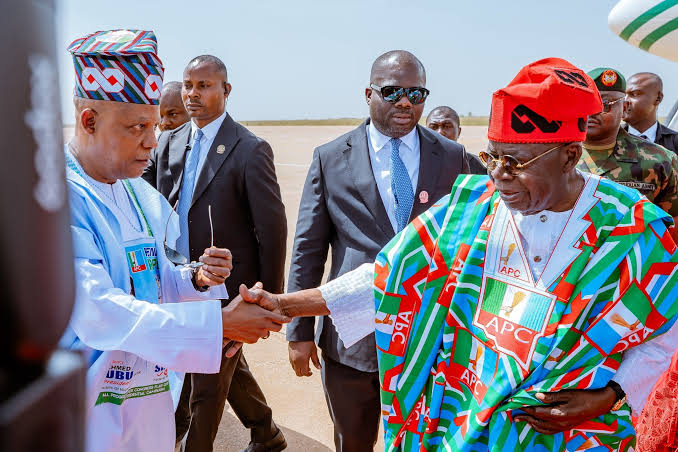
The campaign rally, held at the Kaduna Township Stadium, attracted Vice-President Kashim Shettima, APC governors, party leaders, federal and state lawmakers, political stakeholders and supporters from across the country.
The flag-off marks the beginning of the APC’s drive to secure a second presidential term for President Tinubu, with the party expected to promote its achievements, defend its economic reforms and outline its policy priorities under the proposed Renewed Hope 2.0 agenda.
Kaduna’s selection for the campaign launch underscores the strategic importance of the North-West, a region with a substantial voting population and considerable influence on presidential election outcomes.
The APC faces a significant challenge in Kaduna, where the Peoples Democratic Party’s presidential candidate, Alhaji Atiku Abubakar, defeated President Tinubu in the 2023 election. The rally therefore provides the ruling party an opportunity to strengthen its grassroots structures and regain electoral support in the state.
Addressing supporters, Vice-President Shettima appealed to Northern voters, highlighting President Tinubu’s political relationships with prominent Northern leaders, including Alhaji Abubakar, Mallam Nuhu Ribadu and the late President Muhammadu Buhari.
The Vice-President’s appeal reflects the APC’s determination to consolidate its support in the North as the party intensifies preparations for the presidential contest.
The Renewed Hope 2.0 agenda is expected to feature prominently in the campaign, providing a platform for President Tinubu to explain his administration’s economic policies and outline plans for another term.
However, the President’s record on economic reforms, rising living costs, petrol prices, employment, infrastructure and insecurity is expected to attract considerable scrutiny during the electioneering period.
-

 Niger Delta12 hours ago
Diri Restates Stance On Lagos-Calabar Coastal Highway
-

 Niger Delta12 hours ago
C’River, NUJ Pay Tribute To Late Guardian Editor
-

 News13 hours ago
NDLEA Recovers Tons Of Illicit Drug Consignments In Nine States
-

 Opinion11 hours ago
Checking Voter Apathy In Nigeria’s Electoral Process
-

 Sports9 hours ago
Nigerian Trio Target Titles At PFL Africa Finals
-

 Education9 hours ago
FCE Yola Graduates 3,555 Teachers , Seeks Upgrade to University
-

 Politics9 hours ago
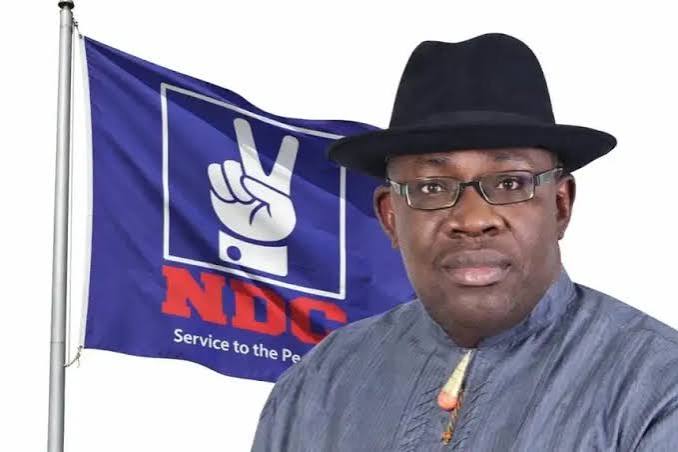
2027: DICKSON’S EX-ALLY VOWS TO WORK AGAINST NDC INTEREST IN BAYELSA
-

 Politics9 hours ago
2027: GROUP PLEDGES 40,000 SUPPORTERS FOR COALITION CANDIDATES IN RIVERS