
Business
IYC Blames FG For Illegal Refineries In N’Delta

The Ijaw Youths Council (IYC), has blamed the Federal Government for the continuation of illegal refineries and bunkering activities in the Niger Delta region.
According to IYC, illegal refineries thrive because of the government’s failure to fulfill its promise to set up modular refineries in the region.
Chairman of IYC, Eastern Zone, Comrade Ibim Ibiwari, who disclosed this to newsmen at the weekend in Port Harcourt, said illegal refineries, otherwise known as ‘kpo-fire’, would have ended if the Federal Government had set up modular refineries in the region as promised.
He also blamed youth restiveness and other illegal activities in the region on massive unemployment.
According to him, “The Federal Government did not live up to its expectations in establishing modular refineries it promised the Niger Delta.
“If such promise was fulfilled, it would have gone a long way to settle the problems of illegal refineries and restiveness in this region, because youths would have been gainfully and legally employed,” he said.
The IYC also blamed the multinational oil companies operating in the region for not doing enough as expected of them in the development of their host communities.
Ibiwari, however, called on the Niger Delta youths, particularly the Ijaw youths, to be peaceful and not to take laws into their hands, pointing out that time has come when every disagreement should be settled through dialogue.
Counting on the gains of agitations in the region, Ibiwari said that the establishment of the Niger Delta Development Commission and the Local Content office in Bayelsa State among others, are visible gains that several years of agitations have brought to the region.
According to him, some heroes of the region like Isaac Boro who took up arms against the Federal Government for the injustice meted on the region need to be celebrated.
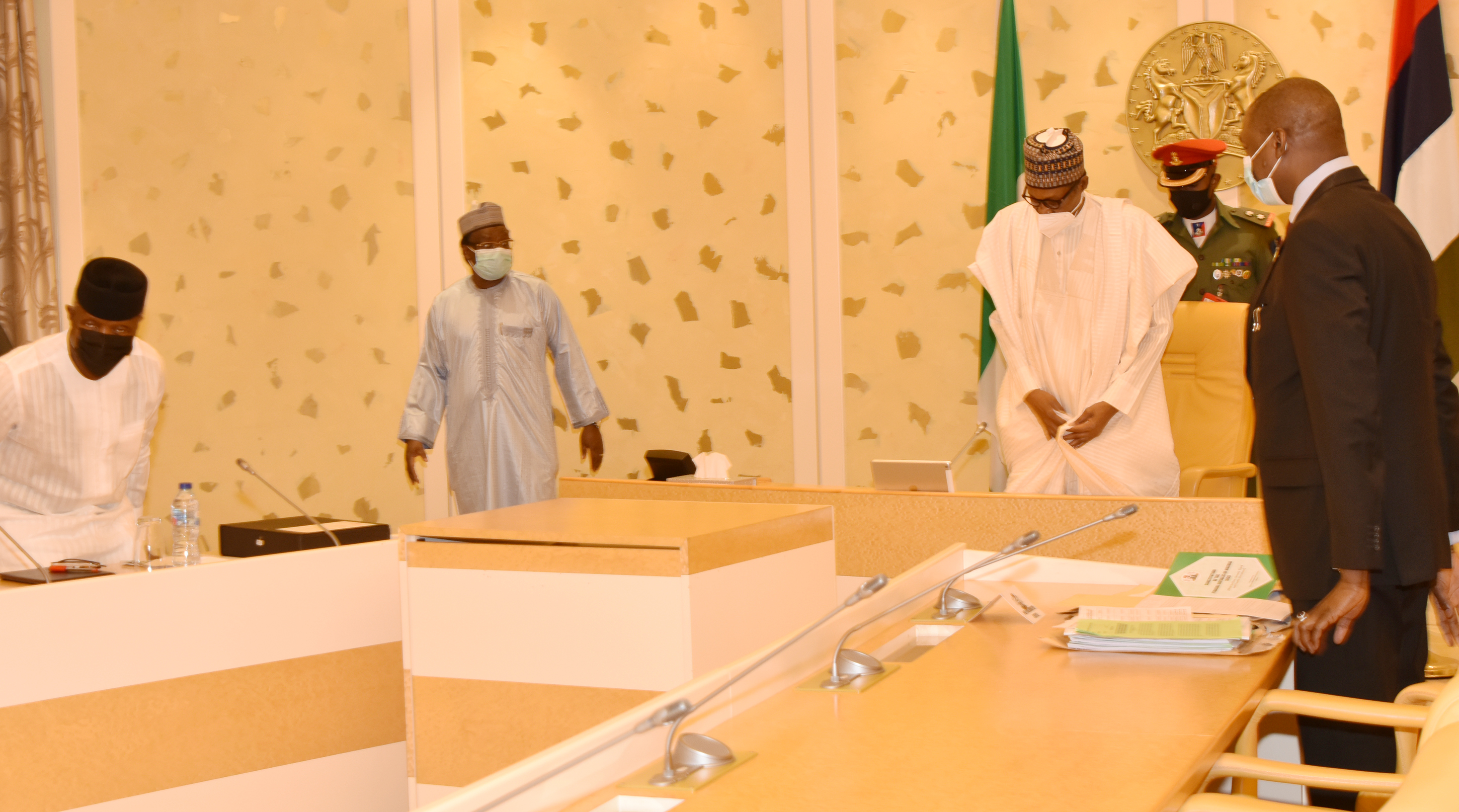
It would be recalled that Vice President Yemi Osinbanjo, when he was the acting president, had promised that the Federal Government would build modular refineries and also give licence for the establishment of modular refineries in the region.
By: Corlins Walter


Continue Reading

The Federal Government has approved a whooping $1bn credit facility to support Nigerian exporters and small scale businesses to take advantage of the African Continental Free Trade Area (AfCFTA) in order to boost production, competitiveness and intra-African trade.
The $1bn AfCFTA Adjustment Fund Credit Facility is also expected to address some of the financing gap being faced by Nigerian exporters and enhance the competitiveness of African businesses within the continental market.
The Minister of Industry, Trade and Investment, Jumoke Oduwole, disclosed this during the second quarter 2026 meeting of the AfCFTA Central Coordination Committee held in Abuja.
According to a statement issued by the ministry’s Head of Press and Public Relations, Obilor-Duru Okechi, Oduwole said the financing facility represented a major opportunity for Nigerian businesses seeking to expand operations, modernise production processes and increase exports to African markets.
The statement partly read, “?The Federal Government has reaffirmed its commitment to accelerating Nigeria’s export-led growth agenda under the African Continental Free Trade Area, unveiling opportunities for businesses to access a US$1 billion AfCFTA Adjustment Fund Credit Facility aimed at boosting production, competitiveness, and intra-African trade.”
She noted that despite the progress Nigeria had made in implementing the continental trade agreement, many local businesses continued to face obstacles that limited their ability to take advantage of the single African market.
?
“Many businesses still face challenges relating to export documentation, certification, standards compliance and market access,” the minister said.
She explained that the Federal Government was addressing these bottlenecks through enhanced trade facilitation measures, simplified AfCFTA guidance tools, stakeholder engagement programmes and stronger collaboration with institutions such as the Nigeria Customs Service and the Nigerian Export Promotion Council.
Oduwole stressed the need to strengthen Nigeria’s legal and regulatory framework by domesticating key AfCFTA protocols, particularly the Digital Trade Protocol, to position the country as a major player in Africa’s growing digital economy.
The minister also highlighted some of the gains recorded in Nigeria’s AfCFTA implementation efforts.
According to her, the expansion of Nigeria’s Air Cargo Corridor Initiative to Rwanda, increased collaboration with development partners and private sector players, as well as sustained engagement with state governments, were helping to deepen awareness and participation in the continental market.
In her welcome address and first-quarter update, the National Coordinator and Chief Executive Officer of the Nigeria AfCFTA Coordination Office, Mrs Patience Okala, provided details of the financing initiative.
Okala said the $1bn AfCFTA Adjustment Fund Credit Facility was targeted at large African businesses with a minimum financing capacity of $10m.
She revealed that the National AfCFTA Coordination Office was working closely with fund managers to facilitate access for eligible Nigerian companies and had begun assembling a pilot group of businesses to ensure that Nigeria maximised the opportunities provided by the facility.
Nkpemenyie Mcdominic, Lagos
The National Inland Waterways Authority (NIWA) has advised Nigerians against boarding boats that require constant bailing of water in the interest of their safety.
NIWA Area Manager for Cross River and Ebonyi, Mr Stanley Onuoha gave this warning in an interview with Newsmen in Calabar.
Onuoha who spoke on waterway
safety, said that passengers should take responsibility for their safety by inspecting boats before embarking on any journey.
According to him, repeated scooping of water from a boat is a clear indication that the vessel may be leaking.
“If you are entering a boat and see people using a bailer to remove water, it is the first signal that the boat is leaking,” he said.
He urged passengers to check the integrity of boats, including seating arrangements and other visible safety features.
The Manager restated the importance of using safety jackets, saying that damaged jackets may fail during emergencies.
He further said that passengers should ensure that safety jackets were appropriate for their body sizes in order to guarantee effective flotation.
Onuoha reiterated the need for passengers to fill manifests before departure to aid accountability during emergencies.
The NIWA official further advised travellers to monitor weather conditions and avoid boarding boats when the weather is unfavourable.
According to him, poor weather conditions can trigger strong tidal waves capable of affecting small boats commonly used on inland waterways.
He said that waterway journeys should be embarked upon between 6.00a.m and 6.00p.m for clearer visibility.
Onuoha said the Authority had continued to sensitise riverine communities to the need for safety precautions during waterway journeys.
He stated that sustained awareness campaigns and enforcement measures had contributed to safety waterway safety in Cross River.
CHINEDU WOSU