
Nation
THE STATES

Benue
The Maize Farmers Association of Nigeria, Benue chap
ter, has urged the federal and state governments to resettle displaced farmers to enable them to return to their farms.
In a statement signed by the association’s Chairman, Mr Sam Kwa’na, in Makurdi, recently, the association also urged the government to help the affected farmers with agricultural inputs.
It also appealed to the government to ensure security in the hinterlands for farmers to concentrate on their farms without fear of attacks.
The association, however, rejected the idea of creating grazing reserves for herdsmen in Benue, stressing that maize and cattle cannot live side-by-side.
Kaduna
Deputy Inspector-General of Police, Emmanuel Kachi-
Udeoji, has urged Nigerians to fear God and embrace peace for sustainable development in the country.
He made the call in an interview with newsmen shortly after a town hall meeting with traditional, community and religious leaders as well as trade unions in Zaria, Kaduna State.
Kachi-Udeoji, who is in-charge of Logistics and Supply, Force Headquarters, Abuja, recently reminded the people that they would acount for their deeds on earth before God.
In his contribution, a traditional title holder in Birnin-Gwari Emirate Council, Alhaji Abdullahi Mohammed, called for the establishment of more police divisions in Birnin-Gwari local government Area to curb crime.
He also appealed for understanding and mutual respect between the traditional institution and police to enhance information flow.
Katsina
The Katsina State Government says it has spent N116
million on the rehabilitation of dams and irrigation schemes in six local government areas of the state.
Governor Ibrahim Shema announced this last Tuesday in Daura local government at the launch of the 2014 vegetables and fruits show and sale of animal feeds.
Shema, who was represented by the Head of Service, Alhaji Lawal Aliyu, said the rehabilitation was to enhance irrigation activities in the state.
The governor, who listed the benefiting local governments as Dutsin-ma, Faskari, Jibia, Kusada, Malumfashi and Matazu said that the government had drilled 554 tube wells across the state to boost agricultural productivity through irrigation farming.
Kebbi
The National Human Right Commission (NHRC) has said
it facilitated the speedy trial of 179 awaiting trial inmates in Kebbi State.
The Executive Secretary of the commission, Prof. Ben Angwe, said this in Birnin Kebbi, last Tuesday, during a visit to prisons formations in the state as part of the 2014 annual prison audit.
He said the commission would intensify efforts to ensure that inmates awaiting trial secured prosecution or release promptly to ensure speedy dispensation of justice.
In his remarks, the Chairman of the Senate Committee on Human Right, Justice and Judiciary, Senate Umar Tambuwal, said his committee was determined to protect the human rights of citizens.
Lagos
A Special Adviser to Governor Babatunde Fashola of
Lagos State, Mr Muslim Folami, says the Political and Legislative Powers Bureau of the state government has helped to promote good governance.
Folami, Special Adviser on Political and Legislative Matters, who spoke in Ikeja during the Ministerial Press Briefing in commemoration of Fashola’s seventh year in office said that the Bureau was set up to promote a harmonious relationship between the executive and legislative arms of government and it had done so creditably.
He said through the Bureau, the Governor assented to 25 of the bills passed by the state legislature in the last one year.
Folami said that the bureau had been facilitating the hosting of breakfast meetings between the Governor and the legislature to promote good governance.
Nassarawa
A Senior Magistrates’ Court in Mararaba, Nassarawa
State, has sentenced four motorcyclists to three months in prison each for violating traffic regulations.
Those sentenced are Abiodun Femi, 28; Dauda Muhammad, 32; Ali Ibrahim, 22 and Ibrahim Abdullahi, 29.
The Senior Magistrate, Mr Iliya Aku, sentenced them after they pleaded guilty to the charges of riding without licence and causing obstruction.
Aku gave them an option of N3,000 fine each and also ordered the police to return the motorcycles to the convicts after they have paid the fine.
Earlier, the prosecutor, PC Jacob John, told the court that the convicts were arrested under the Mararaba bridge for failing to display their registration numbers and riding without side mirrors on April 28.
John said that they also rode the motorcycles without licence and caused obstruction on highway.
He said the offence contravened the Road Traffic Act 2010.
Oyo
The Oyo State Commissioner of Police, Mr Mohammed
Indabawa, has attributed the success of crime fighting in the state to the timely information being provided by the public.
Indabawa who gave the commendation on Wednesday in Ibadan while parading 14 robbery suspects arrested at different locations in the state said that the command was grateful to those who gave adequate information which had assisted the police in discharging their duties.
“On April 27, at about 11.00 p.m. we received a distress call from the Kwara State Police Command that a gang of armed robbers was heading towards Oyo State from Ilorin. An ambush was laid by the police along the Oyo-Ogbomoso expressway which led to an exchange of gunshots and subsequently, the mastermind of the robbery operation was arrested,” he said.
The robbery mastermind, however, told newsmen that he chose to rob her sister because she failed to buy him a motorcycle for his transport business.
Ogun
The Ogun State Government has inaugurated the Com
munity-Based Health Insurance Scheme (CBHIS) aimed at addressing the financial challenges of accessing health care by vulnerable groups.
Speaking at the inauguration in Abeokuta, last Tuesday Governor Ibikunle Amosun of Ogun State said that the project was geared toward ensuring that the people enjoyed affordable, sustainable and efficient healthcare.
According to the governor, the insurance scheme is designed to provide financial protection against the causes of illness and improve access to quality health service for those excluded from the formal insurance.
Explaining the scheme, the Commissioner for Health, Dr Olaokun Soyinka, said treatment would be provided upon presentation of identity cards by the contributor.
He said that the premium was N7,000 annually with N3,000 as government contribution and N4,000 as enrollee contribution.
Plateau
The Commissioner of Police in Plateau State, Mr Chris
Olakpe, has advised parents and guardians to adopt strategies to protect their daughters against rape.
Olakpe said in Jos on Wednesday that the number of rape cases in the state was rising and parents needed to take proactive measures to safeguard their daughters.
The commissioner called on religious and opinion leaders to help in the efforts by preaching against the increasing incidents of rape in the society.
He appealed to the state House of Assembly to enact a law that would provide severe punishment for rapists and also appealed to members of the public to always pass vital information about the activities of rapists to the police.
Sokoto
The Sokoto State Government said last Tuesday that it
spent about N800 million to construct the Murtala Mohammed Specialist Hospital, Sokoto.
The state Commissioner for Information, Malam Danladi Bako, said in Sokoto last Tuesday that the project would give necessary fillip to health care delivery system.
He said government had provided the basic medical facilities needed to ensure qualitative health care services in a functional teaching hospital.
He explained that the facility would be upgraded to a teaching hospital for the state university.
Bako said government had taken necessary measures to provide the required manpower that would effectively manage the hospital.
Taraba
The Jukun, Tiv and Fulani communities in Wukari local
government area of Taraba State in Wukari on Wednesday signed a peace agreement to end ongoing clashes in the area.
The agreement was signed at a meeting presided over by the state acting Governor, Alhaji Garba Umar, and the Paramount Ruler of Wukari and Chairman, Taraba Traditional Council, Dr Shekarau Angyu.
Umar said at the occasion that the government would pay compensation for property destroyed and also continue to provide relief materials for the internally displaced persons.
“We thank God that the major tribes involved in the crisis have decided to give peace a chance by calling us to witness the signing. “The state government will help in looking for the cows and other items that were missing during the crisis so that peace will permanently return among the tribes in Wukari and other parts of the state,” he said.
Those who signed the agreement on behalf of their people include: state Chairman, Jukun Cultural Association, Mr Zando Hoku, state Chairman Tiv Cultural and Development Association, Mr James Nungwa, and state Chairman Miyetti Allah Cattle Breeders Association, Alhaji Mafindi Danburam,.
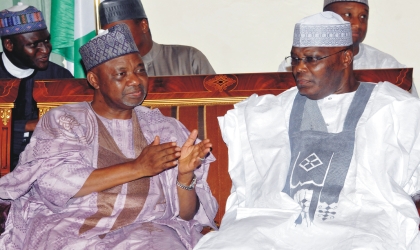
Vice President Namadi Sambo (left), with former Vice President , Alhaji Atiku Abubakar, who paid him a condolence visit over the death of his brother , Capt. Yusuf Sabo Sambo at Aguda House in Abuja recently.



As the world marked the 2026 International Day of the Girl Child on Sunday, October 11, 2026, a non-governmental organisation, Stand Up for Women Society (SWS) has intensified its campaign against child marriage, urging schoolgirls to prioritise education, protect their rights and develop skills for a better future.
The organisation joined the global observance of the day under the theme, “International Day of the Girl Child: End Child Marriage and Invest in Girls’ Rights,” with a sensitisation programme at Government Girls Secondary School, Oromenike, D-Line, Port Harcourt, Rivers State.
Led by its Vice Chairperson, Daba Benebo, the group engaged the students in discussions on the dangers of early marriage, teenage pregnancy, sexual abuse and other challenges that threaten the education, safety and development of the girl child.
Speaking during the programme, Benebo urged the students to reject early marriage and remain focused on their studies, stressing that education would empower them to make informed decisions about their lives and future.
She cautioned the girls against allowing anyone to deprive them of their right to education and dignity, advising them to report cases of harassment, abuse and other violations of their rights to the appropriate authorities.
Benebo assured the students that SWS remained available to support them whenever they encountered violations of their rights.
She also encouraged them to maintain discipline and responsible conduct while avoiding behaviours that could expose them to negative influences and jeopardise their future.
Beyond formal education, the SWS vice chairperson urged the students to acquire vocational skills that could provide additional opportunities for economic independence and help them navigate future challenges.
The sensitisation programme, enlivened by singing, dancing and to share their views and experiences on issues affecting the girl child interactive sessions, provided an opportunity for the students to share their views and experiences on issues affecting the girl child.
One of the major issues raised during the discussion was the appropriate age for marriage. While some participants maintained that 18 years was the constitutionally approved age, the discussion highlighted the need to consider not only age but also the maturity, preparedness and responsibilities associated with marriage.
The speaker stressed that marriage required adequate mental and emotional preparation, as well as the capacity to shoulder its responsibilities.
She therefore advised the students to concentrate on acquiring a sound education before considering marriage, noting that education would equip them with the knowledge and skills needed to make responsible decisions and manage family life.
The issue of teenage pregnancy also featured prominently during the question-and-answer session.
In addressing the subject, the speaker explained that pregnancy could occur even at the age of 12, using the example to underscore the vulnerability of young girls to the consequences of early sexual activity.
She advised the students to avoid sexual intercourse and prioritise their education, personal safety and future aspirations.
The discussion also examined the difficulties some girls encounter when living with hostile spouses, relatives or guardians.
Benebo encouraged the students to cultivate patience, humility and diligence, noting that these qualities could help them navigate difficult situations and build a brighter future.
However, she warned that patience and humility should never be interpreted as an obligation to endure violence, abuse or degrading treatment.
She urged girls experiencing hostile or abusive living conditions to seek help from their parents, trusted adults or appropriate support services rather than remain in environments that could expose them to physical or emotional trauma.
“When such happens, please return to your parents and engage in petty trade or learn a skill to support your education rather than stay in a hostile environment,” Benebo stressed.
The programme also underscored the importance of protecting girls from early marriage and other harmful practices that can disrupt their education, compromise their well-being and limit their opportunities in life.
It also reinforced the need for families, schools, communities and relevant organisations to work together to ensure that girls have access to education, vocational training, protection and the support they need to realise their potential.
For SWS, the message was clear: empowering the girl child begins with protecting her rights, investing in her education and equipping her with the confidence and skills to make informed choices about her future.
Stories by Kevin Nengia
The Egberipapa Foundation has unveiled a mass transit scheme aimed at easing transportation difficulties and improving connectivity among communities in the three Kalabari local government areas of Asari-Toru, Degema and Akuku-Toru in Rivers State.
The initiative, established by former Caretaker Committee Chairman of Akuku-Toru Local Government Council, High Chief Sobomabo Jackrich, popularly known as Egberipapa, is designed to make transportation more accessible and affordable for residents across the Kalabari area.
The scheme was launched on Monday, October 12, 2026, and is expected to address longstanding transportation challenges confronting residents, particularly those in riverine and hard-to-reach communities.
Communities expected to benefit from the initiative include Krakrama, Minama, Angulama, Sangama, Omekwe-Tariama and Omekwe-Ama.
The project is expected to ease movement within and beyond the Central Group area, while providing residents with a more convenient means of transportation for their daily activities.
For decades, transportation difficulties have posed significant challenges to several Kalabari communities, making movement between settlements both cumbersome and expensive. These challenges have also affected commercial activities, social interactions and access to essential services.
The introduction of the mass transit scheme is therefore expected to provide relief to residents, strengthen inter-community connections and stimulate economic activities across the benefiting communities.
Beyond improving mobility, the initiative could contribute to community development by facilitating the movement of people and goods, supporting local businesses and enhancing social and economic interactions within the Kalabari area.
As the scheme gets underway, attention will be focused on its implementation, accessibility and sustainability, as well as its capacity to deliver lasting transportation benefits to the target communities.
The initiative represents a potentially significant step towards addressing transportation challenges and promoting grassroots development across the Kalabari Kingdom.
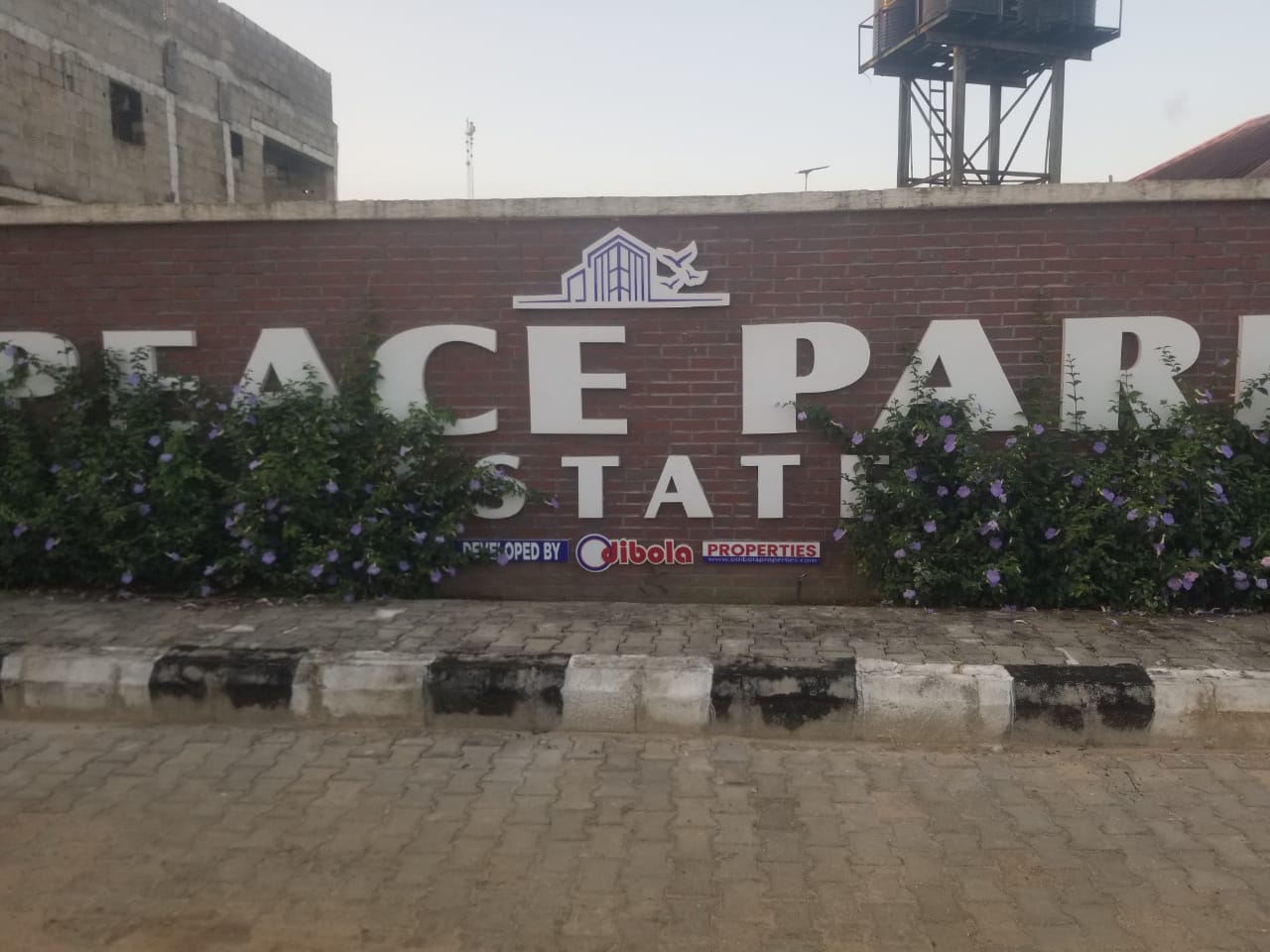
The Amaewhule family of mbodo Aluu in Ikwerre Local Government Area of Rivers State has cautioned members of the public against entering into any land transaction involving a disputed property known as “Ada Oro Fam Land,” located behind the OPM Church along Airport Road.
The family, through its legal counsel, Barrister Ndubuisi Agumagu, issued the warning amid an ongoing legal dispute over the ownership and control of the property, which is said to comprise more than 900 plots of land.
The matter is currently before the Isiokpo High Court of Rivers State in a suit numbered IHC/246/CS/2026, presided over by Justice Sobere Biambo.
The claimants in the suit include Chief Green Amaewhule and others, while Fabulous Amaewhule and Odibola Properties are listed among the respondents.
Counsel to the Amaewhule family, Barr Ndubuisi Agumagu, advised prospective land buyers and members of the public to exercise caution and refrain from purchasing any portion of the disputed property pending the determination of the case by the court.
According to the legal counsel, the property is a family estate belonging collectively to the Amaewhule family, and no individual member of the family has the authority to unilaterally dispose of portions of the land.
The counsel specifically maintained that Fabulous Amaewhule, one of the respondents in the suit, does not have the legitimate authority, according to the family’s position before the court, to sell portions of the disputed property.
The family further warned that anyone who proceeds to purchase land from the respondents while the matter remains before the court would be doing so at their own risk.
It stressed that such buyers could potentially lose their investments should the court eventually deliver judgment against the validity of the transactions.
The legal team said the warning became necessary to prevent unsuspecting members of the public from committing their resources to a property whose ownership and right of disposition are currently the subject of judicial determination.
The family also urged prospective investors, developers and land buyers to conduct proper legal inquiries and obtain independent verification of the status of the property before committing funds to any transaction relating to it.
The Amaewhule family said its position was intended to protect members of the public from possible financial losses and further legal complications while the case remains sub judice, stressing that interested parties should await the final determination of the court.
Akujobi Amadi
-

 Education2 days ago
FCE Yola Graduates 3,555 Teachers , Seeks Upgrade to University
-

 Sports2 days ago
Nigerian Trio Target Titles At PFL Africa Finals
-

 Niger Delta2 days ago
Diri Restates Stance On Lagos-Calabar Coastal Highway
-

 Niger Delta2 days ago
C’River, NUJ Pay Tribute To Late Guardian Editor
-

 News2 days ago
NDLEA Recovers Tons Of Illicit Drug Consignments In Nine States
-

 Opinion2 days ago
Checking Voter Apathy In Nigeria’s Electoral Process
-

 Politics2 days ago
2027: DICKSON’S EX-ALLY VOWS TO WORK AGAINST NDC INTEREST IN BAYELSA
-

 Politics2 days ago
2027: GROUP PLEDGES 40,000 SUPPORTERS FOR COALITION CANDIDATES IN RIVERS