
Business
Reprieve, As Doctors Suspend Planned Strike

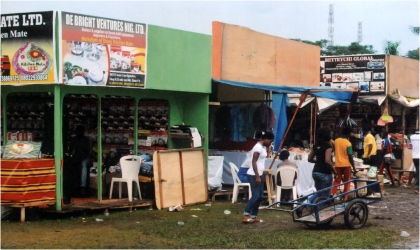
A view of the 9th Port Harcourt International Trade Fair, during the opening ceremony at Isaac Boro Park on 22nd November, 2013.
The Nigerian Medical Association (NMA) in Abuja on Sunday announced the suspension its plan for its members to embark on an indefinite strike from Monday.
The President of NMA, Dr Osahon Enabulele, said in a statement that the strike was suspended to allow for full implementation of all elements of the agreement between the association and the government within set time lines.
“Some of the welcome developments in the implementation of the MoU reached between the NMA and the Federal Government of Nigeria include the decision by the Federal Government to redress the gross injustice done to doctors.
Others are the “establishment of a Hospital Development and Intervention Fund for health infrastructure upgrade, appointment of a Surgeon-General of the Federation and expansion of Universal Health Coverage,” Enabulele said.
It would be recalled that the association had embarked on a five-day warning strike from Dec. 18 to 22, 2013, over the demands.
It had announced a plan to proceed on an indefinite strike from Jan. 6 if its demands were not met.
The association had demanded proper funding of health care in Nigeria, provision of a regulatory environment for practice in the health sector and the expansion of universal health facilities to cover all Nigerians.
Others demands are the upgrade of health infrastructure, elimination of fundamental injustices done to doctors in terms of workplace conditions/conditions of service as well as other health sector challenges.
“The NMA convened an emergency National Executive Council meeting in Abuja on Saturday, January 4 to reappraise the efforts made so far to meet its demands.
“The resolve to suspend the strike is as a result of the possible impact of the withdrawal of services by medical and dental practitioners in Nigeria on ordinary Nigerians,” he said.
Enabulele also acknowledged “several honest appeals made by well-meaning people of Nigeria and our friends in the fourth estate of the realm for more time to be given by NMA for dialogue with government.”
He applauded the ongoing efforts and commitment of President Jonathan to address some of the association’s demands.



Business
Jonathan, Diri, Others Laud Firm’s Milestone in Bayelsa …Says Project Will Drive Industrialisation, Create Jobs



-

 News2 days ago
RSG Targets Nine Million Residents in Mosquito Net Distribution Campaign
-

 Oil & Energy2 days ago
Aiyedatiwa Signs New Electricity Bill
-

 Maritime2 days ago
Marine Minister Commends President Tinubu On NPERA Bill Assent
-

 Oil & Energy2 days ago
NLNG Commissions Research And Innovation Centre In RSU
-

 News2 days ago
KenPoly Holds Eight Convocations, August 29
-

 News2 days ago
RSG Begins Another Phase of Projects Commissioning Today
-

 News2 days ago
RMAFC Completes Revenue Sharing Review, Proposes New Pay
-

 Maritime2 days ago
NAGAFF Petitions IGP Over Alleged Maritime Police Harassment