
Health
Natural Methods To Manage Hypertension (2)

Still, if you suspect you are sensitive to the effects of caffeine, consider cutting back to see if it lowers your blood pressure.
Caffeine can cause a short-term spike in blood pressure. However, for many people, it does not cause a lasting increase.
Learn to manage stress. Stress is a key driver of high blood pressure.
When you’re chronically stressed, your body is in a constant fight-or-flight mode. On a physical level, that means a faster heart rate and constricted blood vessels.
When you experience stress, you might also be more likely to engage in other behaviors that can adversely affect blood pressure, such as drinking alcohol or eating processed foods.
Several studies have explored how reducing stress can help lower blood pressure. Here are two evidence-based tips to try:
· Listen to soothing music:Calming music can help relax your nervous system. Research has shown it’s an effective complement to other blood pressure therapies.
· Work less: Working a lot and stressful work situations are both linked to high blood pressure.
Chronic stress can contribute to high blood pressure. Finding ways to manage stress can help.
Eat dark chocolate or cocoa
While eating massive amounts of dark chocolate probably won’t help your heart, small amounts may.
That’s because dark chocolate and cocoa powder are rich in flavonoids, which are plant compounds that cause blood vessels to dilate.
A review of studies found that flavonoid-rich cocoa may reduce short-term blood pressure levels in healthy adults.
For the strongest effects, use non-alkalized cocoa powder, which is especially high in flavonoids and has no added sugars.
Dark chocolate and cocoa powder contain plant compounds that help relax blood vessels, which may lower blood pressure.
Lose weight
In people with overweight, losing weight can make a big difference to heart health.
According to a 2016 study, losing 5% of your body weight could significantly lower high blood pressure.
The effect is even greater when weight loss is paired with exercise .
Losing weight can help your blood vessels do a better job of expanding and contracting, making it easier for the left ventricle of the heart to pump blood .
Losing weight can significantly lower high blood pressure. This effect is even more pronounced when you exercise.
If you smoke, consider quitting
Among the many reasons to quit smoking is that the habit is a strong risk factor for heart disease.
Every puff of cigarette smoke causes a slight, temporary increase in blood pressure. The chemicals in tobacco are also known to damage blood vessels.
However, studies haven’t found a conclusive link between smoking and high blood pressure. This could be because people who smoke regularly develop a tolerance over time.
Still, since both smoking and high blood pressure raise the risk of heart disease, quitting smoking can help lessen that risk.
Though there is conflicting research about smoking and high blood pressure, both increase the risk of heart disease.
Cut added sugar and refined carbs
There is a growing body of research showing a link between added sugar intake and high blood pressure.
In one study, increased consumption of sugar-sweetened beverages was linked to higher blood pressure levels in children and adolescents.
And it is not just sugar — all refined carbs, such as the kind found in white flour, convert rapidly to sugar in your bloodstream and could cause problems.
Some studies have shown that low carb diets may also help reduce blood pressure.
In fact, one review of 12 studies showed that following a low carb diet could reduce systolic and diastolic blood pressure, along with several other risk factors for heart disease.
Bottom line: Refined carbs, especially sugar, may raise blood pressure. Some studies have shown that low carb diets may help reduce your blood pressure levels.
11. Eat berries
Berries are full of more than just juicy flavor.
They’re also packed with polyphenols, natural plant compounds that are good for your heart.
Polyphenols can reduce the risk of stroke, heart conditions, and diabetes and improve blood pressure, insulin resistance, and systemic inflammation.
One study assigned people with high blood pressure to a low polyphenol diet or a high polyphenol diet containing berries, chocolate, fruits, and vegetables (31).
Those consuming berries and polyphenol-rich foods experienced improved markers of heart disease risk.
Berries are rich in polyphenols, which can help lower blood pressure and the overall risk of heart disease.
12. Try meditation or deep breathing
While these two behaviors could also fall under “stress reduction techniques,” meditation and deep breathing deserve specific mention.
Both meditation and deep breathing may activate the parasympathetic nervous system. This system is engaged when the body relaxes, slowing the heart rate, and lowering blood pressure.
There’s quite a bit of research in this area, with studies showing that different styles of meditation appear to have benefits for lowering blood pressure.
Deep breathing techniques can also be quite effective.
In one study, people who practiced diaphragmatic breathing, a deep breathing technique, twice daily for 4 weeks experienced a reduction in systolic and diastolic blood pressure.
Both meditation and deep breathing can activate the parasympathetic nervous system, which helps slow your heart rate and lower blood pressure.
13. Eat calcium-rich foods
People with low calcium intake often have high blood pressure.
While calcium supplements haven’t been conclusively shown to lower blood pressure, calcium-rich diets do seem to be linked to healthful levels.
For most adults, the calcium recommendation is 1,000 milligrams (mg) per day. However, some individuals may require higher amounts, including older adults .
In addition to dairy, you can get calcium from collard greens and other leafy greens, beans, sardines, and tofu. Calcium-rich diets are linked to healthy blood pressure levels. You can get calcium by eating dark leafy greens and tofu, as well as dairy.
14. Take natural supplements
Some natural supplements may also help lower blood pressure. Here are some of the main supplements that have evidence behind them:
· Aged garlic extract: Researchers have used aged garlic extract successfully as a stand-alone treatment and along with conventional therapies for lowering blood pressure (36).
· Berberine: Though more research is needed, some studies have found that berberine could potentially help lower blood pressure levels (37).
· Whey protein: A 2016 study found that whey protein improved blood pressure and blood vessel function in 38 participants (38).
· Fish oil: Long credited with improving heart health, fish oil may benefit people with high blood pressure the most (39).
· Hibiscus: Hibiscus flowers make a tasty tea. They’re rich in anthocyanins and polyphenols that are good for your heart and may lower blood pressure.
Researchers have investigated several natural supplements for their ability to lower blood pressure.
15. Eat foods rich in magnesium
Magnesium is an important mineral that helps blood vessels relax.
While magnesium deficiency is pretty rare, many people don’t get enough magnesium in their diet.
Some studies have suggested that getting too little magnesium is linked with high blood pressure, but evidence from clinical studies has been less clear.
Still, you can ensure that you’re meeting your needs by enjoying a variety of magnesium-rich foods, including vegetables, dairy products, legumes, chicken, meat, and whole grains.
Magnesium is an essential mineral that helps regulate blood pressure. It can be found in a wide range of whole foods, including legumes and whole grains.
High blood pressure affects a large proportion of the world’s population.


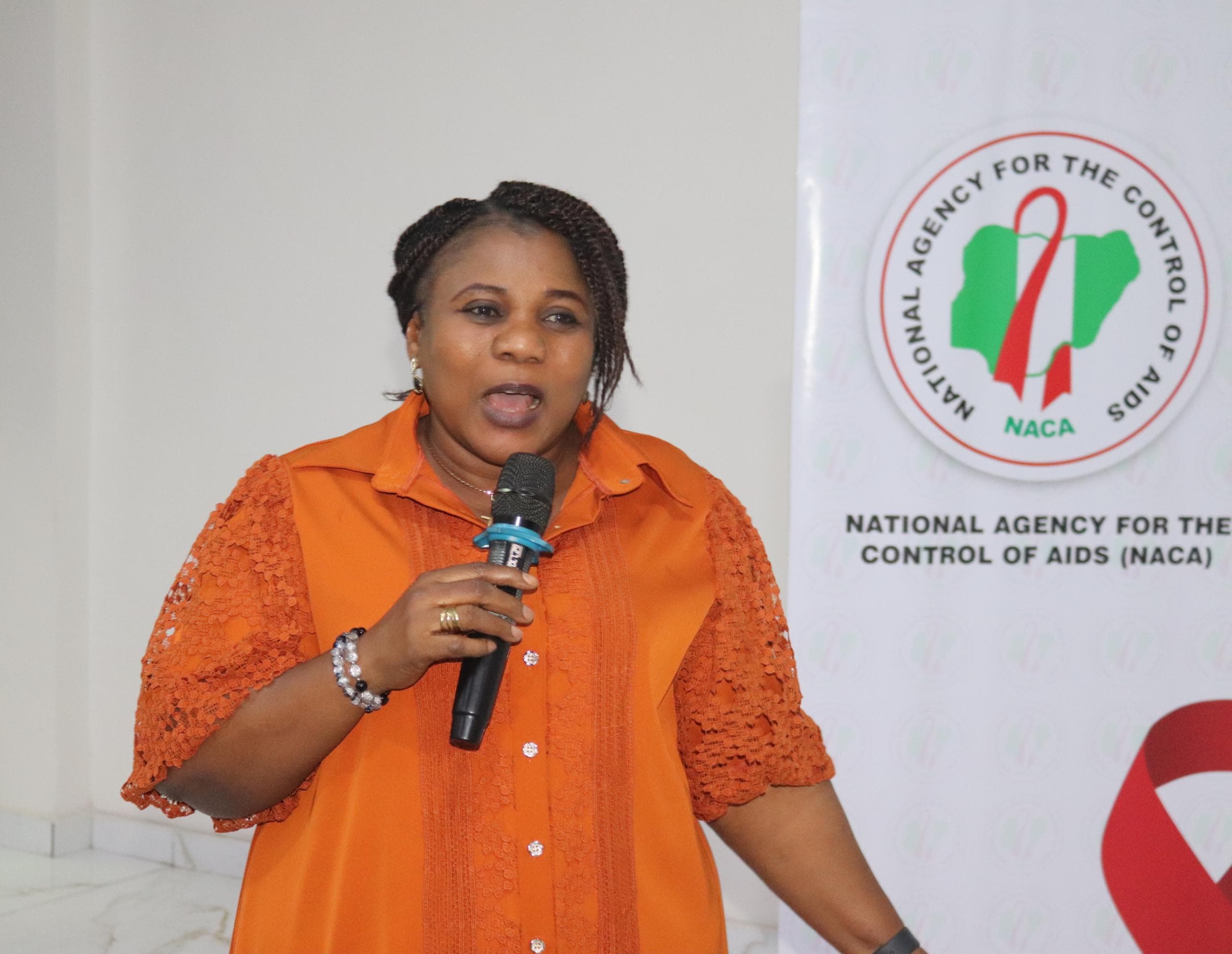
Prevention for HIV has taken yet another more advanced dimension with the introduction of the Lenacapavir (LEN) Pre-Exposure Prophylaxis (PrEP) into the stable of HIV prevention.
This was disclosed to Journalists assembled from across Nigeria in a two-day training programme on Lenacapavir in Lagos State.
In his presentation, the Lead Facilitator, and Principal Partner, Kent Consult Limited, Abuja, Dr. Segun Oyedeji, said unlike the earlier Post-Exposure Prophylaxis (PEP), which is taken to prevent HIV infection after exposure, the Lenacapavir PrEP is taken by non-infected persons.
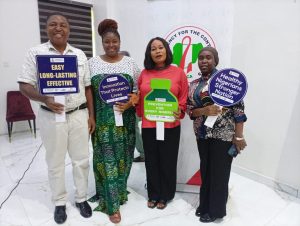
Such targeted persons are usually those exposed to vulnerable behaviours capable of exposing them to HIV infection.
“PrEP is taken before you are exposed to HIV, and comes in three forms: the daily oral PrEP, Truvada pill; the two-months interval injectible, Cabotegravir; and the long-acting bi-annually (six months interval) injectible, Lenacapavir. There’s also the Dapivrine Vaginal Ring, which women wear for one month”, he said.
Dr. Oyedeji explained that PrEP is meant for people who are exposed by their risk profile to HIV infection.
Risk profile, he explained, “is the kind of risk behaviours they exhibit in their lifestyle.”
Such people include people with a partner who has HIV, people who don’t always use condoms, sex workers, etc.

PrEP, according to Dr. Oyedeji, “builds up protection in your body so that if HIV enters your body, the medicine stops it from multiplying.”
Also, within the period the person is taking it, the person must get tested for HIV every three months interval.
So far, among the four options of PrEP, Adedeji, continued, “the Lenacapavir is the game-changer everyone is talking about.”
The reason is that it is a Capsid inhibitor, first of its class, that attacks the protein shell that HIV uses to copy itself, which is different from old drugs, and is just two injections per year, plus small starter tablets at the beginning. Not daily pills.
He, however, noted that before any of the PrEP options can be used, the person has to go through an eligibility test to ascertain which of the options would be suitable for the person, based on the person’s risky behaviour, and that all the person needs to do is to go to any health facility close to them to seek for the service, or the State Agency for the Control of AIDS (SACA) to get the right direction.
On his part, the Senior Prevention Manager, AIDS Healthcare Foundation (AHF), Mr. Adeleye Taofeek, who spoke on condom use as part of preventive measures for both HIV and Sexually Transmitted Infections (STIs), encouraged the use of condoms, especially where abstinence from sex is inevitable.
He said, “We are canvassing that as much as you use PrEP, you can also use condoms to prevent other STIs, beside HIV.
“We want the media to engage in demand creation for use of the various HIV prevention options: whether it is condom, PrEP, or change of behaviour, staying with an uninfected partner, we want the media to support the national response by creating demand for HIV prevention options.”
Earlier in her welcome address to participating Journalists at the two-day training, organised by the NACA and the Institute of Human Virology, Nigeria (IHVN), the Director-General, National Agency for the Control of AIDS (NACA), Dr. Temitope Ilori, emphsised the importance of the media in awareness creation.

She said: “PrEP is an effective HIV prevention for people who are HIV-negative and may be at risk of acquiring HIV. However, the availability of a prevention intervention is only one part of the equation. People must also have access to the right information, understand their prevention options, know where services are available, and feel confident seeking those services. This is where you, our media professionals, become indispensable partners.
“The media has the power to shape public understanding. A well researched story can dispel a misconception, encourage someone to seek a prevention service and potentially change a life. On the contrary, inaccurate or sensational reporting can create fear, reinforce stigma and discourage people from accessing HIV services.
“We, therefore, count on you to report PrEP and HIV prevention accurately, responsibly, and without stigma.”
The NACA D-G, who was represented by the Head, Public Relations and Protocol, NACA, Toyin Aderibigbe, charged the participants at the training, saying, “your reporting should make these issues understandable to ordinary Nigerians.”
Research shows that so far there have been no infections among all the people who have received the LEN PrEP, showing almost 100% protection.
The World Health Organisation (WHO) adopted it in July 2025 as an additional PrEP option.
In Nigeria, NAFDAC approved it in the late 2025 and received regulatory clearance, with the country receiving its first batch of doses in March 2026, and subsequently distributed it to 8 pilot states.
The states are: Akwa Ibom, Anambra, Benue, Cross River, Ebonyi, FCT, Gombe, and Kwara.
Investigation revealed that since May 2026, all the pilot states are accessing the LEN, and the demand is very high, especially among sex workers who want privacy and no daily pills.
In Rivers State, although the Lenacapavir is expected to arrive soon, the daily oral PrEP (Truvada pill), and the two-months interval injectible (Cabotegravir) are available, and the relevant authorities are encouraging people to access the drug.
Sogbeba Dokubo
Health
Rivers SSP ’ll Enhance Equitable Access To HIV Services – RIVSACA Boss ….As Govt Urges Tireless Commitment

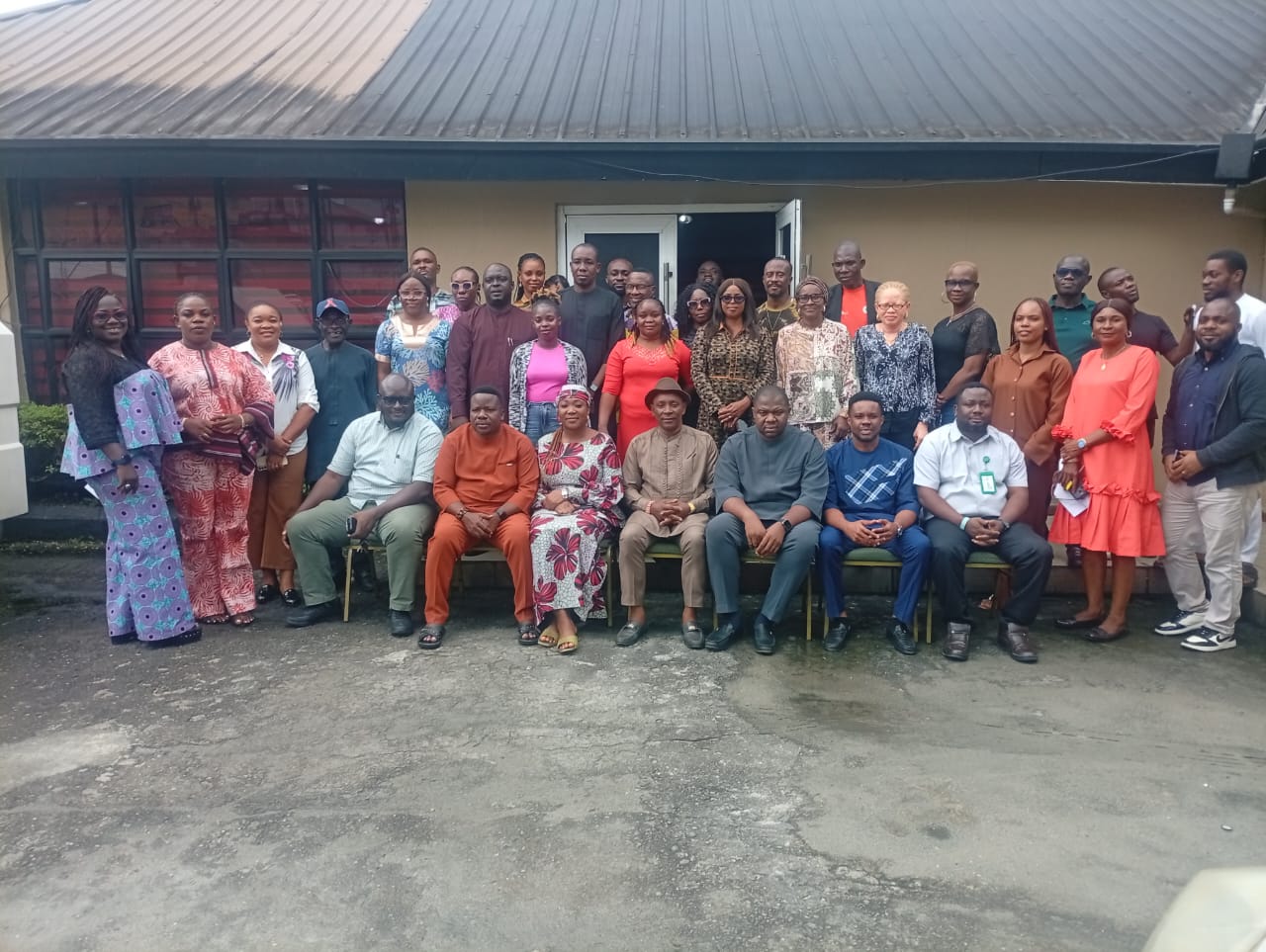
The Programme Manager, Rivers State Agency for the Control of AIDS (RIVSACA), Dr. Naaziga Francis, has stated that the State Strategic Plan (SSP) for HIV/AIDS will enhance necessary access to HIV Services in the State.
Francis, who stated this recently in a meeting for stakeholders working in the HIV/AIDS space in Rivers State, said the SSP, among others, will support equitable access to HIV services by providing a roadmap for HIV/AIDS response, and promote evidence-based programmes in the State.
“The State HIV/AIDS Strategic Plan for 2025-2027 is the guiding document that provides guideline for the operations and response to HIV/AIDS in Nigeria and Rivers State”, he said.
At the meeting, tagged, “Dissemination of the Rivers State HIV Strategic Plan (SSP 2025-2027)”, held in Port Harcourt, the RIVSACA boss explained the importance of the SSP, saying the document was developed with support from the National Agency l Fund for AIDS, Tubaculosis (TB), and Malaria, to provide guidance and direction to what is already being done towards ensuring that people in Rivers State live HIV/AIDS-free life.
For the Control of AIDS (NACA), Global Fund for AIDS, Tubaculosis (TB), and Malaria, to provide guidance and direction to what is already being done towards ensuring that people in Rivers State live HIV/AIDS-free life.
He said: “the SSP provides a scientific and implementative science approach to the HIV response. People shouldn’t be emotional, the document will tell people using available data to guide you in terms of geographical prevalence, or age/sex distribution, cing the way the HIV strata is in the State.”
And factors that are influencing the way the HIV strata is in the State.”
He, therefore, advised stakeholders to derive their objectives, goals, and guidance as it relates to HIV/AIDS response from the SSP, saying “it is the national and state document that is authorised to provide such guidance, and also see that we do things in the right way.”
In his remark, the Secretary to the State Government (SSG), Dr. Samuel Wokoma, who was represented by the Rector of Special Duties Bureau in the office of the SSG, Prof. Samuel Ugochukwu Onyeka, acknowledged that the meeting was a gathering to present the SSP as a roadmap for every crusader and participant in the fight against the spread of HIV/AIDS and its mitigation.
He hinted that the availability of the SSP is an indication that a lot can be achieved going forward in the fight against HIV/AIDS.
“With this purpose of having a framework to work with, and be able to meet up with the global target to end HIV/AIDS as a public health threat by 2030, the strategic.
Plan is aimed at achieving a milestone within 2025-2027.
“So, it is expected that this will provide clear evidence-based targets, focus on high impact prevention, expanded testing, elimination of Mother-To-Child Transmission (MTCT), and unhindered access to Anti Retroviral Testing (ART)”, he stated.
The SSG continued that for all stakeholders, the availability of the SSP should be a “very important strategy that emphasises ownership by Rivers people to sustain domestic financing, and reducing reliance on external donor fluctuations, while strengthening our localised healthcare delivery.”
He called on all stakeholders to work closely together with government Ministries, Departments, and Agencies (MDAs), as well as parastatals, knowing that “no one aspect of the MDAs will be able to achieve the desired results.”
Expressing the hope that in the process, there will be reasonable reduction in stigmatisation, which, he said, is the reason for the meeting, and hence a call for stakeholders to recommit to the fight against HIV/AIDS, which also include protecting the dignity and human rights of people living with HIV/AIDS in the State.
He also called for accountability, saying, “let us use today’s forum not just to unveil a document, but to build an actionable framework for transparent monitoring and implementation.”
On her part, the Chief Programme Officer, NACA, Priscilla Odangla, congratulated the State Government under the leadership of Sir Siminalayi Fubara, the Commissioner for Health, the State Ministey of Health, and RIVSACA on the successful development of the SSP 2025-2027.
She said the achievement reflects the “strong leadership and commitment of the State Government, as well as the collaborative efforts of key stakeholders, including development partners, Civil Society Organisations (CSOs), mplementing partners, community-based organisations, Networks of People Living With HIV.
She noted that their collective contributions ensured that the SSP is evidence-based, inclusive, and aligned with the national HIV response priorities and global targets for ending AIDS as a public health threat in 2030.
Noting that the SSP represents a framework for strengthening the coordination, effectiveness, and sustainability of HIV response at the state level, she called on the state government to do more.
She said: “As the State moves into the implementation phase, and in the face of dwindling donor support, NACA strongly encourages the State Government and all stakeholders to take full ownership of the SSP by integrating its priorities into state policies, sectorsl plans, and annual budgets, while strengthening coordination, monitoring and accountability mechanisms.
“The effective implementation of this strategic plan will be instrumental in achieving improved health outcomes and sustaining the gains already made in the fight against HIV.”
She also assured the commitment of NACA in working with the State Government and partners to provide technical leadership, coordination, and strategic support to ensure that the goals and objectives of the SSP are successfully realised.
Sogbeba Dokubo
To address the increasing number of rape and defilement cases in Lagos communities, the State Ministry of Health has trained healthcare workers on the prevention and management of sexual assault cases.
The Director, Public Affairs in the ministry, Tunbosun Ogunbanwo, in a statement on Monday said the training equipped health workers with the knowledge and skills to provide professional, compassionate, and timely care to survivors.
Dr Folasade Oludara, Director, Family Health and Nutrition, State Ministry of Health, said the growing number of rape and defilement cases in Lagos communities necessitated the upskilling of healthcare workers who are often the first responders to survivors.
Oludara, represented by Dr Oluwatosin Onasanya, Deputy Director, Child Health, said the government recognised the critical role of health professionals in both clinical management and legal documentation of sexual assault cases.
She explained that the training was designed to ensure healthcare workers are adequately equipped to identify, document, and manage sexual assault cases effectively.
According to her, the training will strengthen Lagos’ coordinated health system response to gender-based violence.
She disclosed that the state government had already provided equipment and specimen collection tools to health facilities, noting that the training complemented this investment by building the competence of personnel handling such sensitive cases.
Oludara explained that doctors and nurses at the primary, secondary, and tertiary levels who serve as first contact points for survivors were carefully selected from all 57 LGAs and LCDAs, particularly from areas with higher incident rates.
The SGBV Programme Manager, Lagos State Ministry of Health, Dr Juradat Aofiyebi, emphasised that the capacity-building initiative was a strategic step toward improving survivor-centred healthcare delivery and prosecution outcomes.
Aofiyebi added that the training underscored the government’s commitment to reducing the prevalence of sexual assault through a robust, multi-sectoral approach.
“The training provides healthcare workers with the knowledge to properly identify survivors, document findings accurately, and provide comprehensive care, all of which contribute to justice delivery and prevention of repeat offences.
She said the ministry would sustain such training to ensure that every survivor who presented at a Lagos health facility received quality, non-judgmental care.
Mrs Adebanke Ogunde, Deputy Director, Directorate of Public Prosecutions (DPP), Lagos State Ministry of Justice, highlighted the importance of medical documentation in sexual assault trials.
She explained that most convictions hinge on the quality of medical reports and forensic evidence provided by healthcare professionals, noting that medical reports served as vital corroborative evidence in court, particularly in cases involving children.
“Your medical reports are crucial; they can determine whether justice is served or denied,” she said.
Ogunde reminded health workers of their legal duty to report suspected sexual assault cases to the police or the Lagos State Domestic and Sexual Violence Agency (DSVA).
Similarly, Dr Oluwajimi Sodipo, Consultant Family Physician, Lagos State University Teaching Hospital (LASUTH), underscored the importance of timely medical attention, psychosocial support, and non-stigmatising care for survivors.
Sodipo explained that immediate presentation within 72 hours of assault improved chances of preventing infections and collecting viable forensic evidence.
He commended Lagos State for sustaining its inter-agency collaboration and continuous professional training on SGBV.
Sodipo, however, called for the strengthening of DNA and forensic capacities, improved insurance coverage, and better remuneration for healthcare workers.
“We must sustain motivation and continuous retraining if we want to retain skilled professionals and enhance justice outcomes,” he added.
Also, Mrs Margret Anyebe, Claims Officer, Lagos State Health Management Agency (LASHMA), said domestic and sexual violence response had been integrated into the ILERA EKO Health Insurance Scheme.
Anyebe explained that survivors of sexual and domestic violence are covered for medical treatment, investigations, and follow-up care under the state’s Equity Fund for vulnerable groups.
“Hospitals are to provide first-line care, document, and refer survivors appropriately, while LASHMA ensures prompt reimbursement and oversight,” she said.
-
News5 days ago
Bayelsa Boat Mishap: Tinubu Donates N250m As Death Toll Hits 29
-
News5 days ago
Odu Pays Tribute To Late Chinwah, Describes Him As Courageous, Selfless Academic
-

 Maritime5 days ago
Nigeria, Russia Customs Sign MOU To Trade Facilitations
-

 Sports5 days ago
World marathon champion gets three-year doping ban
-

 Maritime5 days ago
South-South Governors Urges To Shake Off Collective Lethargic To Embrace Blue Economy
-

 Maritime5 days ago
Oyetola Woos Investors With Nigeria’s Seabed Resources, Marine Biotechnology
-

 Business5 days ago
Moniepoint MfB transaction volume hits 1trn daily — CEO
-

 Sports5 days ago
RSG PLEDGES TO PARTNER SWAN FOR SPORTS PROMOTION, DEVELOPMENT