
Business
AfDB Spends Over $44bn On Infrastructure In Six Years

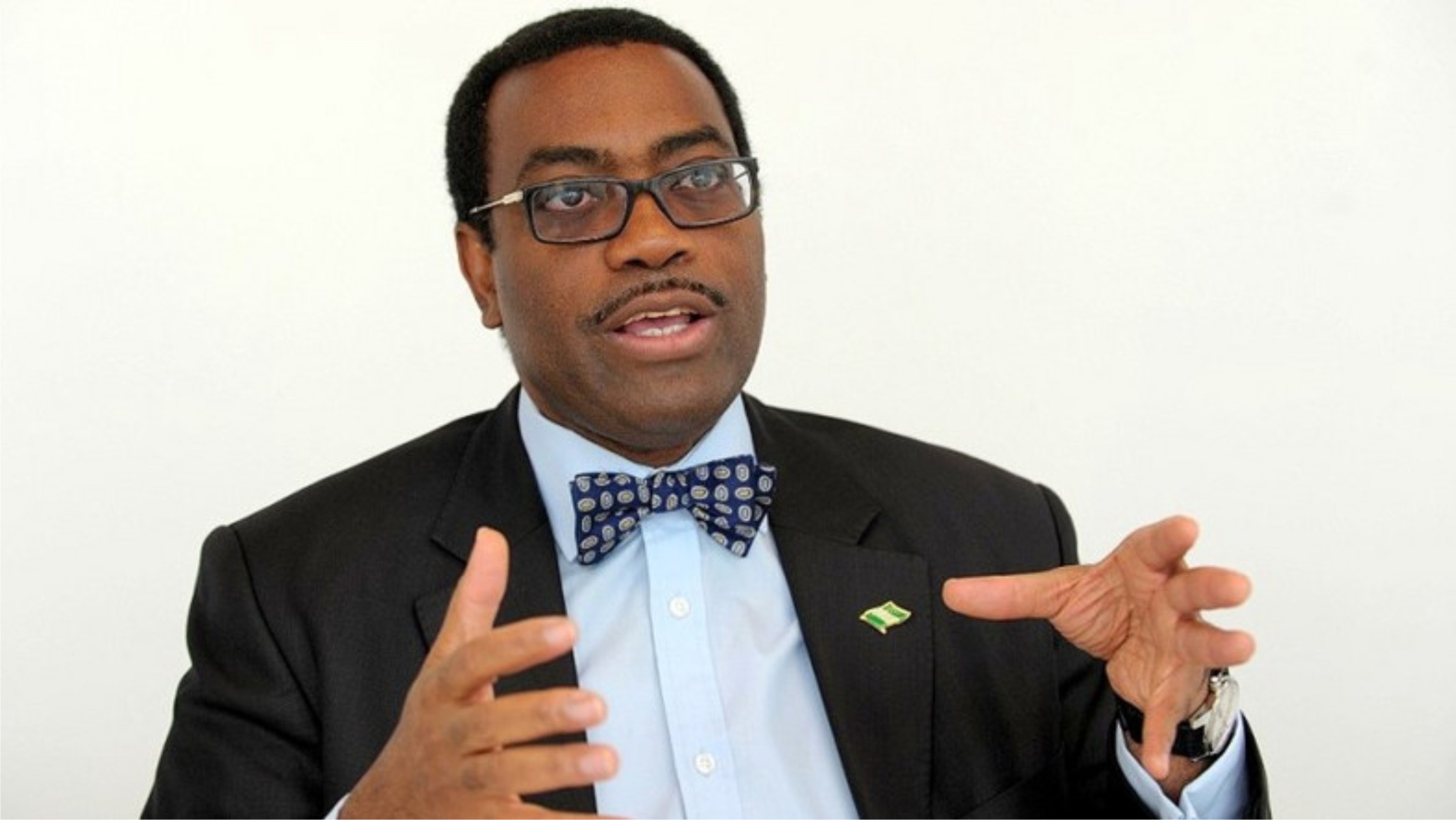
President of the African Development Bank (AfDB) group, Dr. Akinwumi Adesina, says the bank has committed over $44billion to development of infrastructure across the continent in the last six years in areas of transport, energy, water, and sanitation.
He has also said Africa is faced with an infrastructure gap of between $68billion and $108bn annually.
A statement from the bank, which was obtained by The Tide, revealed that AFDB, the premier financier of infrastructure in Africa, has committed more than $44bilion to infrastructure across the continent in the last six years alone, in the stated critical areas.
“Despite collective efforts, Africa still faces an infrastructure financing gap of $68billion to $108billion annually”, Adesina said in the statement.
Consequently, he proposed eight solutions to Africa’s infrastructure finance gap, and, according to him, project preparation facilities were critical to developing bankable infrastructure projects since one of the major challenges of infrastructure projects was moving commercially viable projects to financial close.
He added that institutional investors including pension funds, sovereign wealth funds, and insurance companies had enough resources to scale up infrastructure financing from billions to trillions of dollars.
”This pool of capital is so vast that what is needed is only 0.03 per cent or up to 0.04 per cent to bridge the infrastructure financing gap for Africa.
”Multilateral development banks should take early-stage investment risks in the project development phase.
”Since the government provided the largest share of infrastructure financing, it must improve the efficiency of public financing for infrastructure”, he said.
According to Nigeria’s former agriculture minister, governments must focus more on attracting the private sector to infrastructure financing by improving the policy, legal and regulatory environment to support public-private partnership investments in infrastructure.
He added that there was a need for use of local currency for infrastructure financing, and explained that because foreign loans financed the bulk of infrastructure and the revenue streams were in local currency, this presented a high financial risk to investors.
By: Corlins Walter



Business
Jonathan, Diri, Others Laud Firm’s Milestone in Bayelsa …Says Project Will Drive Industrialisation, Create Jobs



-

 News2 days ago
RSG Targets Nine Million Residents in Mosquito Net Distribution Campaign
-

 Oil & Energy1 day ago
Aiyedatiwa Signs New Electricity Bill
-

 Oil & Energy1 day ago
NLNG Commissions Research And Innovation Centre In RSU
-

 Maritime1 day ago
Marine Minister Commends President Tinubu On NPERA Bill Assent
-

 News2 days ago
KenPoly Holds Eight Convocations, August 29
-

 News2 days ago
RSG Begins Another Phase of Projects Commissioning Today
-

 News2 days ago
RMAFC Completes Revenue Sharing Review, Proposes New Pay
-

 Maritime1 day ago
NAGAFF Petitions IGP Over Alleged Maritime Police Harassment