
City Crime
NLC Urges Better Remuneration For Practising Journalists …Isiguzo Returns As NUJ President, Opaka, Angese New VP, Scribe For Zone F

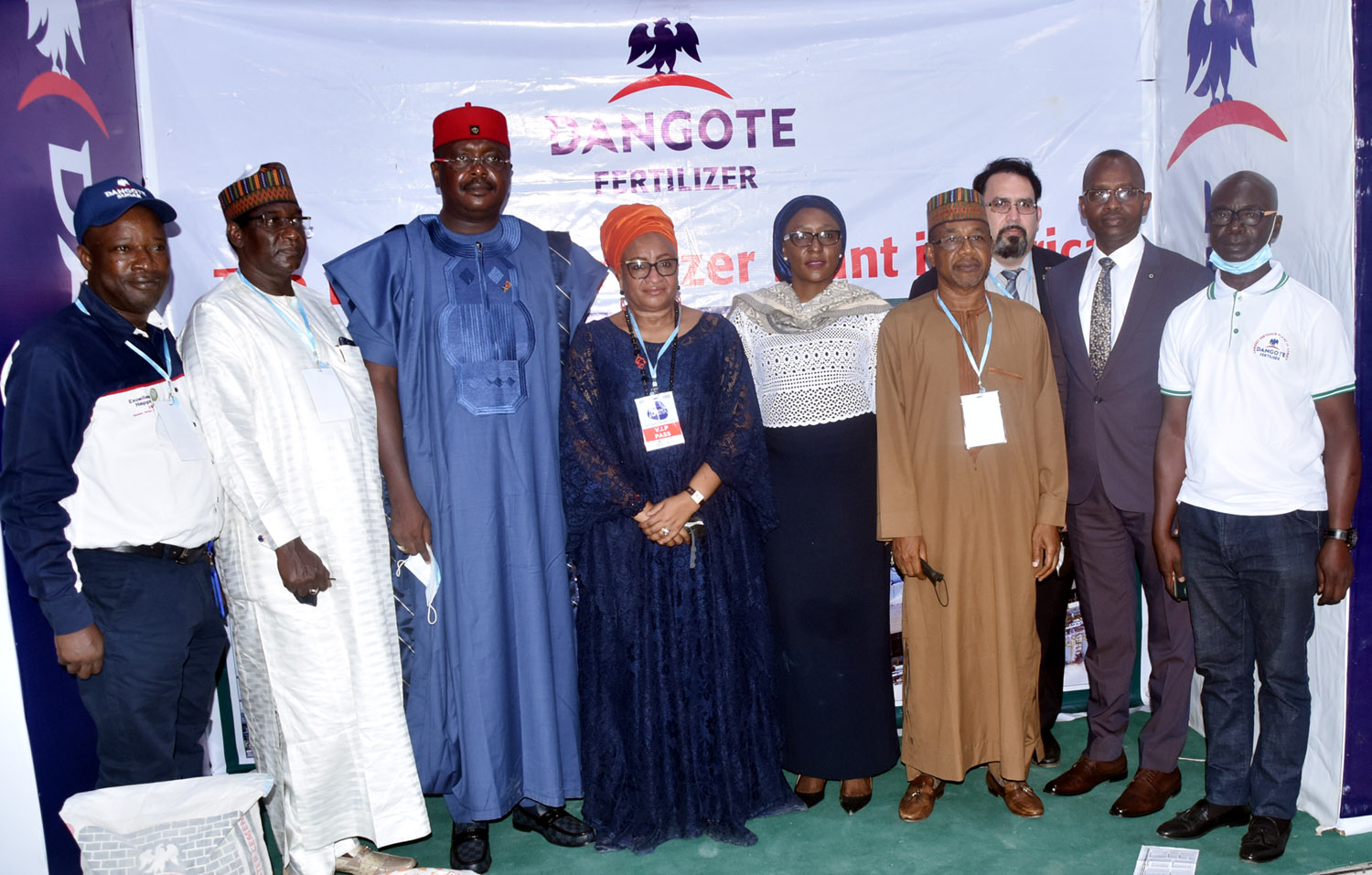
The Nigeria Labour Congress (NLC) has urged Media establishments to properly remunerate journalists in their services to enable them perform their statutory duties effectively.
National President of NLC, Comrade Ayuba Wabba, who gave the urge while addressing delegates and other stakeholders at the 7th Triennial National Delegate Congress of the Nigeria Union of Journalists, ( NUJ) at Umuahia, Abia State capital, yesterday, decried a situation were journalists suffer from several months of non-salary payments despite putting in their best in terms of services.
The triennial national delegates conference, also witnessed the election of officers to run the affairs of the union in the next three years, with the incumbent President, Chris Isiguzo, returning after beating his opponent, Yusuf Idris, who voluntarily withdrew from the race, on Wednesday, by 666 votes to 15 votes.
Opaka Dokubo from Rivers State also beat Nene Affia from Akwa Ibom State by 99 votes to 40 votes to emerge new Vice President, Zone F; while John Angese trounced his fellow Bayelsan, Stanley Imgbi 107 votes to 33 votes to clinch the position of Secretary, Zone F.
Delegates from all 36 states councils and the Federal Capital Territory (FCT) participated in the conference and election.
Wabba, who was represented by the National Vice President of NLC, Comrade Joe Ajaero, hinted that the case was most pathetic among journalists working in private media houses, who are mostly subjected to poor conditions of services and irregular salary payments.
He assured that the NLC would work with the Nigeria Union of Journalists (NUJ) to tackle industry wide minimum wage to ensure that practicing journalists are properly remunerated.
Other stakeholders also condemned the incautious infiltration of non-professionals in the practice of journalism, noting that such tendencies had led to the emergences of quacks who serve as agents misinformation and disinformation.
Speaking at the event, the guest speaker, Mr Emma Agu, said journalism practice ought not to be an all comers’ affairs but should be premised on some ethical codes of conduct and professional regulations.
Emma, a veteran Journalist and managing consultant of True Vision Newspapers, Gavinta & Associate, Abuja, frowned at Situation were social media promoters parade themselves as journalists without any iota of professional training and entry qualifications.
He called on regulatory bodies such as the Nigeria Union of Journalists, Nigerian Press Organization, among others, to ensure strict compliance to professional conducts on journalism practice and enforce sanctions on defaulters.
Speaking on the theme, “Role of the Media in Time of National Renewal’, the guest speaker said said the media occupied a critical position in the clamour national renewal and rebirth through social re orientation.
On his part, the Royal Father of the Day, another veteran journalist, Eze Cletus Uwadiegwu Ogbonnaya, described “The Role of the Media in National Renewal” as essential, and called for effective training and provision of incentives for journalists to enable them discharge their duties properly.
He described journalism as a noble profession with the potentials of restoring hope in the nation through the promotion of national unity and cohesion.
Earlier, the National President of the NUJ, Comrade Chris Isizugo, had during his Welcome address had called for budgetary provision for the media to enhance the potency of media practitioners in performing their watch dog role of ensuring check and balances in the polity.
He said the media as the moral compass of society need proper incentives to carry out the functions.
He congratulated the delegates for the massive turnout for the conference, despite the challenges face by the NUJ at the moment, noting that, “a stronger, united and more determined NUJ would emerge out of the conference.
The NUJ President the leadership of the union was committed to issues of members welfare, especially the effective payment of salaries and training, and explained that plans were been pursued vigorously to put in place requirements for the accreditation of International Institute on Journalism (IIJ) with the National Board for Technical Education (NBTE).
Isiguzo said, “Before proceeding with my address, permit me to most sincerely commend and appreciate our noble and cherished members of the Union from the states of the federation for not letting the Union down at its critical moments, especially for taking the decisive decision to come to attend this conference in spite of orchestrated and carefully planned attempts to truncate it.
“To you and our special guests, I pray God to reward you for your input and collective efforts towards ensuring the successful hosting of this conference without minding the encumbrances, stop gaps and wedge put in place by some self serving individuals to truncate this conference. It is my fervent prayer and believe that Nigerian journalists shall leave this conference more determined, united and stronger.
“The Triennial Delegates Conference affords the Union an opportunity for self appraisal with the aim of charting a new direction for the collective body of journalists in Nigeria as well as the election of a new set of members of the Central Working Committee (CWC) that will pilot the affairs of the Union for the next three years.
“I must say that unlike in the past, this year’s electioneering in the NUJ is unique just as it stands out, as most of the positions are returned unopposed owing to political realignment and engineering within the Union. It goes to show a clear direction charted by the outgoing led-CWC headed by my humble self. But for the action of a few, with the mindset that whatever does not go in their favour, must be destroyed, this conference deserves to be accorded a high premium in terms of acceptability and attendance.
“Three years ago when I assumed office as National President of the NUJ, we were conscious of the fact that members of the Union needed an organization that works and meets their needs. Three years later, I stand boldly before my colleagues that entrusted their mandate to me, to state that certainly, things have change significantly for the better as the Union has moved from despair to hope, from difficulty in breathing to being alive once again, from a position of low morale of staff and members to reinvigoration and rejuvenation. In spite of the feat recorded, we are not unaware of the fact that it is still a journey in progress.
“In our three years of dedicated and results oriented service, we are proud to reel out records of achievements that include several trainings and retraining of our members including bilateral foreign programmes. Specifically, the NUJ is engaging in training and retraining of Journalists with assistance from various development partners to build capacity of journalists to effectively bring to public attention humanitarian situations in the country in a fair manner, honestly, and constructively.
“Our administration has also taken the issue of effective payment of staff salaries seriously just as we now have functional secretariat that is alive in responding to germane issues affecting our members. We have also Audited Accounts of the Union for the period of five years in addition to payment of accumulated years of ground and tenement rates, a development that has firmly secured the property of the Union sitting on about seven hectares of land in Abuja.
“Similarly, owing to our prudent management of resources, our administration successfully funded and hosted the meetings of the National Executive Council (NEC), of the Union twice without contribution from any organization. It goes to show that the NUJ is steadily getting to where it ought to be and very soon, we would be able to say, here we are. This is in addition to the fact that we kept to our constitutional mandate of holding NEC meetings as at when d
“While, we were traversing the country seeking for a renewal of mandate for a second term, we came face to face with certain realities confronting our members as they relate to their welfare and professionalism thus, the need to be adequately addressed from different angles and directions. These include, but not limited to the following; functional and conducive working environment, interference in professionalism, quackery and the need to distinguish social media influencers from journalists, multiple dimensions of threats and harassment of journalists by politicians and public officers who are no longer comfortable with being made accountable to the public and those parading themselves as journalists when they are not.
“The NUJ in the coming administration is going to take a critical look at this monster trying to rare its head before it dents the image of practitioners. The good news is the fact that our automated identity card is already addressing the issue of quacks and fake media practitioners. Any individual who wants to belong to the NUJ must adhere to the provisions of the Constitution with respect to membership.
“Taking into cognizance recent happenings within the Union in which some of our members embarked on a voyage of FORUM SHOPPING from one court to the other to procure all manner of injunctions against the NUJ without first of all attempting to explore internal conflict resolution mechanisms as provided by the constitution, is no longer acceptable.
“The Union is now stating clearly and boldly that our collective interests shall at all times supersede that of any individual, no matter how highly placed. In this wise, the established organs of the Union shall henceforth take appropriate action against any erring member without let or hindrance. The posture where some people assume that they are above the rules and procedures of the Union can no longer be tolerated.
“Towards this end, the incoming Central Working Committee would soon be hosting a constitutional conference to critically review our constitution with a view to addressing observed lapses and lacuna”, he added.
By: Taneh Beemene


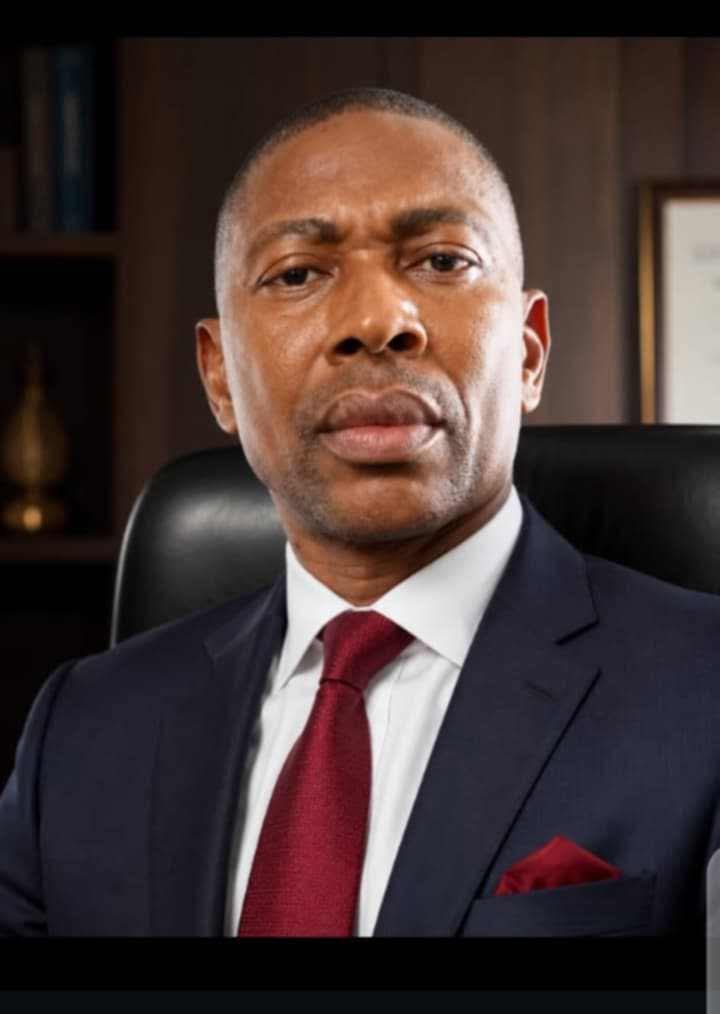
Akwaowo’s appointment follows the expiration of the second tenure of the former Registrar, Chemist Jwalshik Wilford.
According to a letter released from the office of the Minister of State for Health and Social Welfare dated August 5, 2026, the Minister of State for Health and Social Welfare, Dr. Iziaq Adekunle Salako, said the appointment was with immediate effect.
The minister had earlier announced Akwaowo’s appointment during a meeting with the Permanent Secretary, Heads of Departments, and Directors in June 10, 2026 in the Minister’s Conference Room.
He said the appointment was automatic and effective 1st June, 2026 following the satisfactory handover that followed the succession procedure.
The Minister nullified the earlier process put in place for a substantive appointment, citing it as a contravention of the provision of the ICCON Act.
He further directed that the appointment letter be issued without further delay.
The Minister admonished the new ICCON Chief Executive to take charge and ensure that the Institute is on the path of peace and progress to deliver her mandates.
In his response, Akwaowo thanked the the Federal Government for the appointment which, he said, has laid every uncertainty surrounding the leadership of the Institute to rest.
He pledged his unalloyed loyalty to the Federal Government and the Minister and promised to work with his Management Team to align with the policy directives of the Ministry as well as the renewed hope agenda of the Federal Government.
Akwaowo joined ICCON in 2005 as a pioneer staff, rose through the ranks and served in many capacities transcending virtually all the departments in the Institute including HOD, Administration/Accounts & Finance.
Most recently, he served as the pioneer Team Lead and the Registrar/CEO Representative in the National Chemical Personnel Audit excercise to Chemical companies and Chemistry Departments in Tertiary Institutions as part of the Institute’s regulatory mandates.
He has attended several courses and workshops and represented the Institute at various conferences and fora.
Akwaowo is a Chartered Chemist and also a member of a number of professional bodies.
He rose to the rank of Director, Scientific in 2025, and was until his appointment, the Coordinator, Zonal Offices of ICCON.
City Crime
Bayelsa Water Coys Raise Alarm Over Business Threats …Set To Resist Multiple Levies Amid High Production Cost

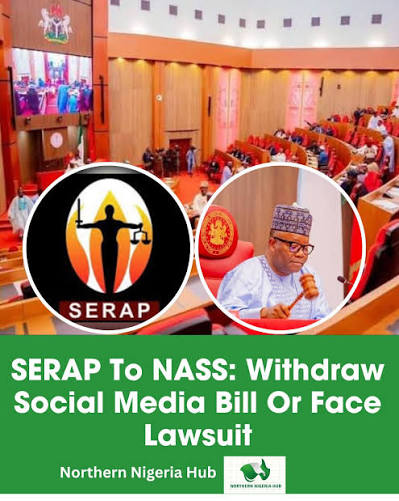
SERAP warned that it would institute legal action if the bill is passed in its current or substantially similar form.
The bill, sponsored by Senator Ned Nwoko (APC, Delta North), seeks to compel social media platforms, data controllers and data processors operating in Nigeria to establish physical offices in the country.
It also empowers the Nigeria Data Protection Commission to shut down or prohibit the operations of any entity that fails to comply within 30 days.
In a letter dated July 18, 2026, and addressed to Senate President Godswill Akpabio and Speaker of the House of Representatives Tajudeen Abbas, SERAP said the proposed amendment posed a threat to constitutionally guaranteed rights.
The letter, signed by SERAP Deputy Director Kolawole Oluwadare and issued on Sunday, read in part, “Requirements compelling technology companies to establish local offices would increase government leverage over platforms, facilitate political pressure, make censorship demands easier and expose local employees to retaliation.
“The Bill would create sweeping powers capable of shutting down or excluding social media platforms from the Nigerian market and expose millions of Nigerians to serious violations of their constitutionally and internationally guaranteed human rights.”
SERAP argued that the bill revives previous attempts to regulate social media that attracted widespread public opposition.
“The current Bill revives substantially similar proposals previously introduced by Senator Nwoko, raising renewed concerns that localisation requirements are being used as a vehicle for expanding governmental control over digital platforms and online expression,” it said.
The organisation warned that it would challenge the legislation in court if enacted.
“Should the Bill be enacted into law in its current or substantially similar form, SERAP shall promptly take all appropriate legal actions to challenge its legality in the public interest and to ensure that Nigerians’ fundamental rights are fully protected,” the letter stated.
According to SERAP, the proposed legislation would give the Nigeria Data Protection Commission excessive powers to block digital platforms without adequate procedural safeguards.
“The Bill constitutes a backdoor attempt to regulate social media and increase governmental control over online expression through corporate localisation requirements rather than through transparent and constitutionally permissible regulation,” it said.
The group argued that the bill lacks provisions for prior judicial authorisation, meaningful opportunities for compliance beyond the proposed 30-day period, and safeguards to protect the rights of millions of Nigerians who rely on digital platforms.
SERAP also cited the judgment of the ECOWAS Court of Justice on Nigeria’s suspension of Twitter, arguing that the proposed amendment could produce similar consequences by indirectly excluding social media platforms from operating in the country.
“The Bill also risks recreating the very dangers previously condemned by the ECOWAS Court of Justice. In SERAP and Others v. Federal Republic of Nigeria, the Court held that the suspension of Twitter violated the rights to freedom of expression, access to information and media freedom protected under the African Charter.
“Although the present Bill differs from the Twitter suspension in form, it creates the possibility of achieving the same result indirectly by empowering regulators to prohibit digital platforms from operating in Nigeria.
“The National Assembly should not enact legislation capable of producing, through indirect regulatory means, the very restrictions on fundamental rights that regional human rights law prohibits,” the organisation said.
It maintained that while governments have a legitimate interest in regulating digital platforms, such measures must comply with constitutional guarantees and international human rights standards.
The organisation further warned that mandatory localisation requirements would increase compliance costs for technology companies, startups, educational institutions and artificial intelligence developers.
“The proposed amendment conflicts directly with the objectives of the Nigeria Startup Act 2022 and the National Digital Economy Policy and Strategy.
“Mandatory localisation requirements substantially increase compliance costs, particularly for startups, open-source projects, educational institutions, research organisations, AI developers and smaller technology companies, while reducing Nigeria’s attractiveness as a destination for innovation and investment.
“No major democratic jurisdiction requires every social media platform to establish a physical office as a blanket precondition for providing services.”
SERAP added, “The National Assembly should immediately reject and withdraw the Bill, as it is manifestly incompatible with the Nigerian Constitution and Nigeria’s obligations under the African Charter on Human and Peoples’ Rights and the International Covenant on Civil and Political Rights.”
-

 News3 days ago
RSG Targets Nine Million Residents in Mosquito Net Distribution Campaign
-

 Oil & Energy3 days ago
Aiyedatiwa Signs New Electricity Bill
-

 Oil & Energy3 days ago
NLNG Commissions Research And Innovation Centre In RSU
-

 Maritime3 days ago
Marine Minister Commends President Tinubu On NPERA Bill Assent
-

 News3 days ago
KenPoly Holds Eight Convocations, August 29
-

 News3 days ago
RSG Begins Another Phase of Projects Commissioning Today
-

 News3 days ago
RMAFC Completes Revenue Sharing Review, Proposes New Pay
-

 Maritime3 days ago
NAGAFF Petitions IGP Over Alleged Maritime Police Harassment