
Business
Lagos, German Firm Partner On Job Creation Interventions

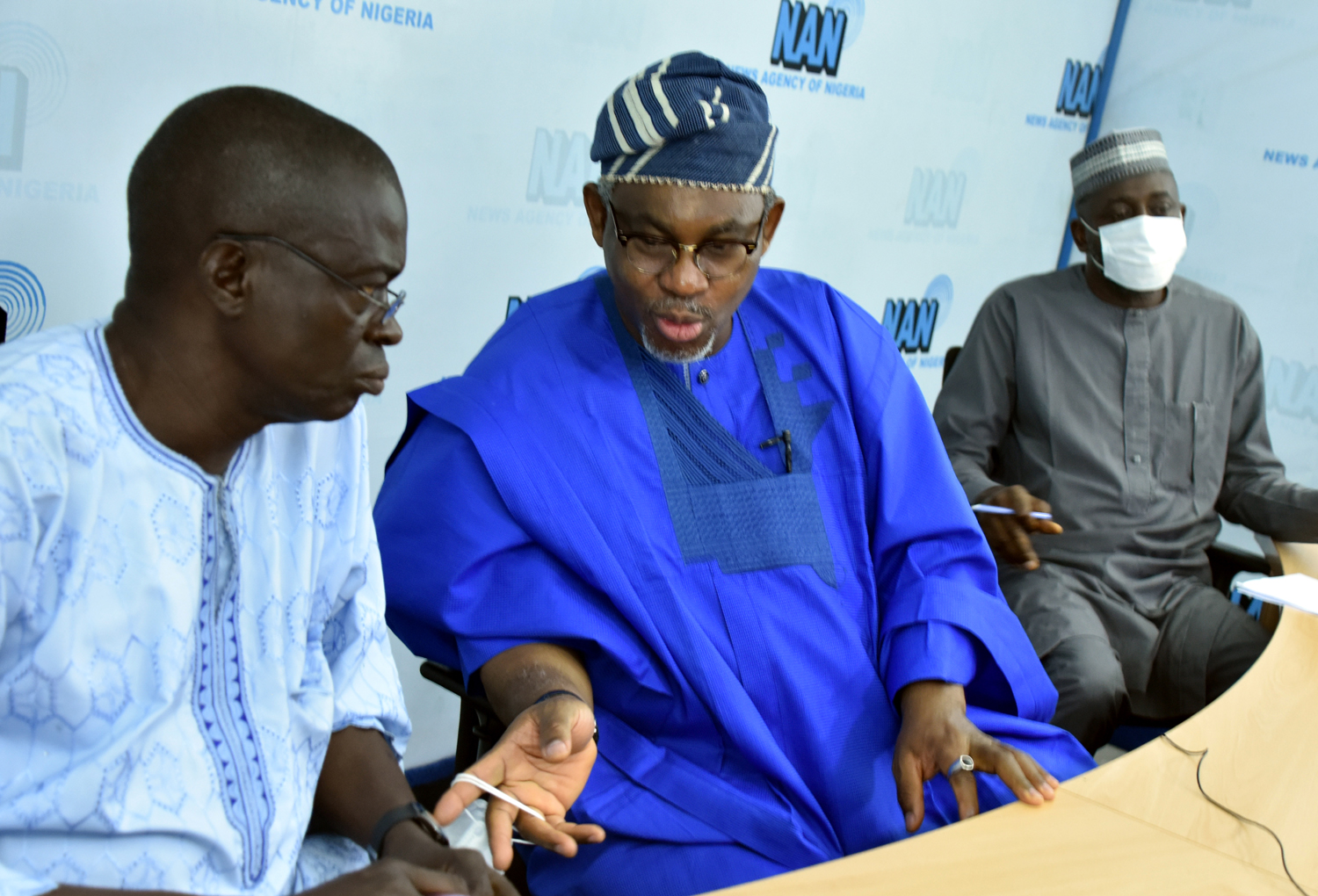
Lagos State Government and its German partner, GIZ firm, have sealed arrangements for an intervention targeted at scaling up the skill development capacity of youths in the state.
Lagos unveiled the partnership at an event organised by the State’s Ministry of Economic Planning and Budget in collaboration with Lagos State Employment Trust Fund (LSETF) and German Cooperation GIZ held at the Eko Hotels and Suites, Victoria Island tagged: “Lagos4Jobs: Public-Private Dialogue on Labour Market in Lagos State.”
The drive seeks to address the high rate of youth unemployment in Lagos; bridge the gap between job availability and employability in the labour market, design and create a labour market database for multiple stakeholders, as well as increasing more youth participation in technical and vocational education.
Commissioner for Economic Planning and Budget, Mr Sam Egube, said there was a consensus on the need to tackle unemployment especially among the youth in the state, saying the activities by different stakeholders in both private and public sectors are currently disjointed and pose a huge challenge.
He also stated the need for dialogue sessions between major players to share and deliberate on ways to bridge the gap.
According to him: “There is a consensus on the need to tackle unemployment, especially amongst the youth in Lagos State, activities by different stakeholders in both private and public sectors are currently fragmented.
“To drive initiatives around job creation, it is critical to developing a system that provides accurate and reliable data on the current job status of residents of Lagos State. A platform where multiple stakeholders can collaboratively synergize their information, expertise, and activities towards achieving the common goal – job creation and employment.
“A Labour Market Information System (LMIS) will aggregate data of Lagos residents by utilizing unique identification numbers like LASRRA number, Tax ID to track job status of residents with a view to developing initiatives that drive and continue to sustain employment and job creation.”
Tobias Wolfgarten, who is the Teamlead, GIZ, Skill Development for Youth Employment, SYKE project in Lagos, said the dialogue would provide avenues for various stakeholders to deliberate on relevant areas in job creation, different aspects of skill development and sustainable growth for decent employment.



Business
Jonathan, Diri, Others Laud Firm’s Milestone in Bayelsa …Says Project Will Drive Industrialisation, Create Jobs



-

 News3 days ago
RSG Targets Nine Million Residents in Mosquito Net Distribution Campaign
-

 Oil & Energy3 days ago
Aiyedatiwa Signs New Electricity Bill
-

 Oil & Energy3 days ago
NLNG Commissions Research And Innovation Centre In RSU
-

 Maritime3 days ago
Marine Minister Commends President Tinubu On NPERA Bill Assent
-

 News3 days ago
KenPoly Holds Eight Convocations, August 29
-

 News3 days ago
RSG Begins Another Phase of Projects Commissioning Today
-

 News3 days ago
RMAFC Completes Revenue Sharing Review, Proposes New Pay
-

 Maritime3 days ago
NAGAFF Petitions IGP Over Alleged Maritime Police Harassment