
Business
Electricity: Gas Shortage Stalls 10,362MW In Three Days

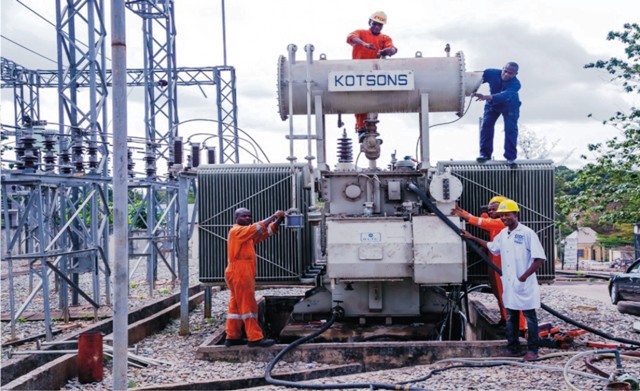
Gas shortage to thermal power plants stalled the generation of 10,362.5 megawatts of electricity, between April 2 and April 4, The Tide has learnt
The generation companies explained that gas shortage greatly hindered the production of electricity in thermal power plants.
Industry figures obtained by our correspondent in Abuja on Sunday showed that gas constraint stalled 3,393MW, 3,478MW and 3,491.5MW on the 2nd, 3rd and 4th of April respectively.
It was further observed that gas shortage remained the highest constraint to power generation since the beginning of April.
In the three days under review, the sector lost N7.87bn due to gas, transmission and distribution constraints.
The Association of Power Generation Companies (APGC), an umbrella body for electricity producers in Nigeria, said there had been a great hindrance to power generation from thermal plants as a result of gas shortage.
The APGC’s Executive Secretary, Joy Ogaji, said Gencos were willing to support the Federal Government, particularly during the current COVID-19 challenge, but stressed that gas shortage had been a big hindrance to the generation of electricity.
She said, “There is a shortage of gas supply for thermal generation companies. Thermal power from gas and steam turbines accounts for about 80 per cent of Nigeria’s power generation.”
According to the Gencos, gas suppliers demand upfront payment before they make gas available and the power generators cannot afford to meet this request given the liquidity issues in NESI.
“From the Gencos point of view, we are willing to invest to increase the capacity of our power plants and provide necessary investments to cater for maintenance and the repair,” Ogaji stated.
She also said, “Generation companies are willing to work with relevant stakeholders such as the Federal Ministry of Petroleum Resources and the Nigerian National Petroleum Company, two critical stakeholders with oversight over gas resources, to develop novel approaches in making gas available for generation companies.
“If answers to Gencos most pressing/pertinent questions (such as, can we be fully dispatched? Can we get gas and who is paying for the power?) can be sorted out; then, power supply issues of the nation will be a thing of the past.
“Gas and transmission (evacuation) are critical and urgent needs outside the control of the generation companies and for this, it calls for urgent government intervention.”
The power firms noted that apart from gas molecules and transmission, Gencos had other challenges which government was actively engaging to resolve.



Business
Jonathan, Diri, Others Laud Firm’s Milestone in Bayelsa …Says Project Will Drive Industrialisation, Create Jobs



-

 News2 days ago
RSG Targets Nine Million Residents in Mosquito Net Distribution Campaign
-

 Oil & Energy2 days ago
Aiyedatiwa Signs New Electricity Bill
-

 Maritime2 days ago
Marine Minister Commends President Tinubu On NPERA Bill Assent
-

 Oil & Energy2 days ago
NLNG Commissions Research And Innovation Centre In RSU
-

 News2 days ago
KenPoly Holds Eight Convocations, August 29
-

 News2 days ago
RSG Begins Another Phase of Projects Commissioning Today
-

 News2 days ago
RMAFC Completes Revenue Sharing Review, Proposes New Pay
-

 Maritime2 days ago
NAGAFF Petitions IGP Over Alleged Maritime Police Harassment