
Business
Oil Price Can Never Rise Above $100/Barrel Again – Emefiele

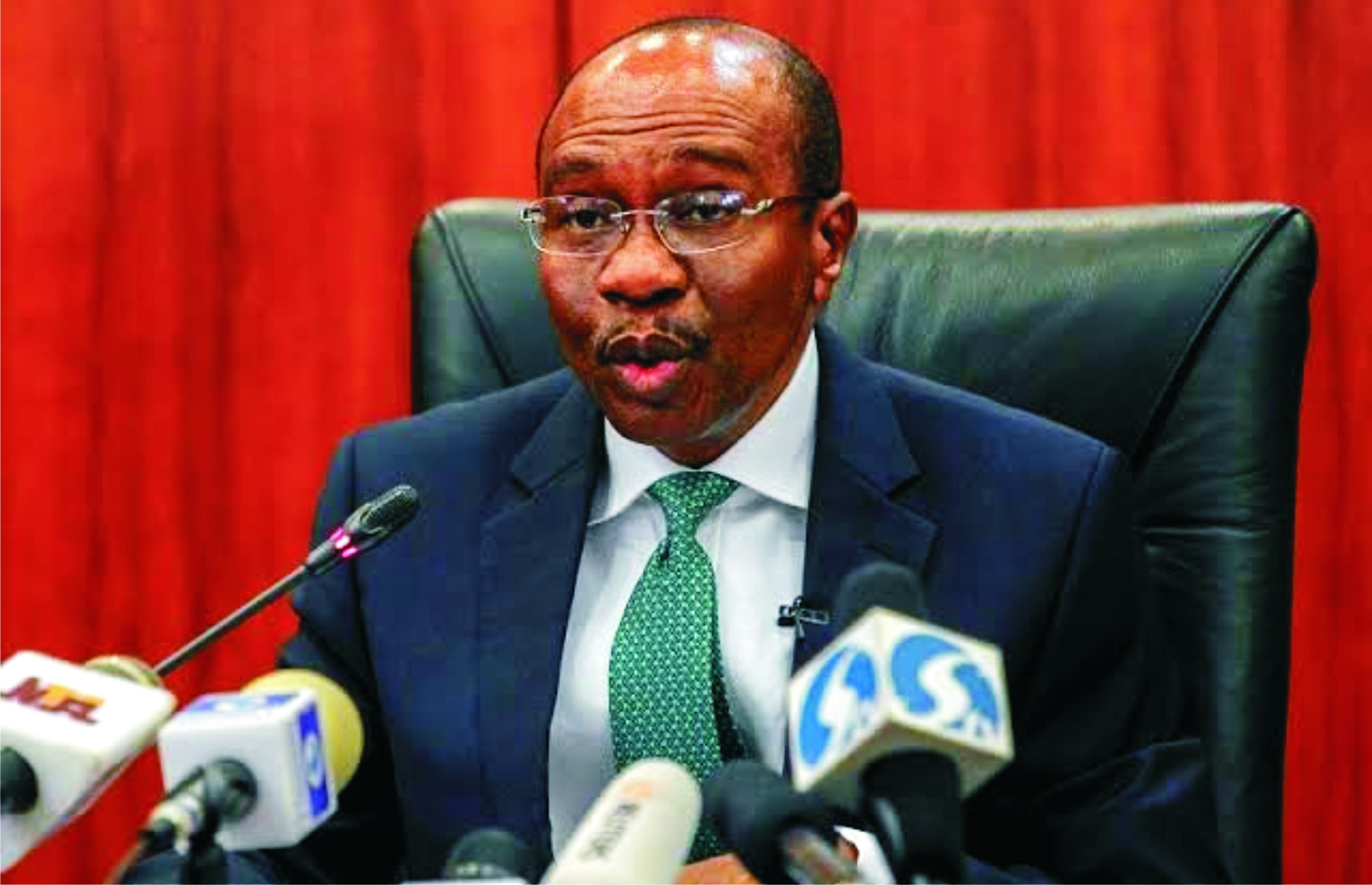
The Governor of Central Bank of Nigeria (CBN), Mr Godwin Emefiele, has said that there was no better time to diversify the Nigerian economy than now because the era of crude oil boom was over.
According to him, crude oil can never rise above $100 a barrel anymore as was the case few years ago.
Speaking as a guest lecturer at the first convocation ceremony of Edo University, Iyamho, Edo State, last Friday, Emefiele said: “oil price can never get to above $100 per barrel in our lifetime.
“So, we must just diversify our economy now. We must embrace agriculture and grow the manufacturing sector. It’ll create jobs and generate money into our bank accounts. No more oil”.
Emefiele who delivered the convocation lecture titled: “The Role of Monetary Policy: Towards Economic Growth in Nigeria,” also said there was no apologies for the shut land borders because different countries work with diverse economic policies that suit them.
He said despite criticisms from certain quarters over the apex bank’s monetary policies, the country has remained better for actions it has taken.
“Our unorthodox and unconventional monetary policy is yielding results. We’re not deterred. We can’t allow people to smuggle and dump goods here and kill our local producers. We owe no one any apologies as long as we’re creating jobs and growing the economy.
“For an economy like ours, which is yet to attain its full potential, utilitarian welfare maximization requires a functional consideration for real growth. Thus, growth objectives cannot be overlooked.
“The CBN Act 2007, in recognizing this, provided the Bank with the legal backing to undertake developmental functions that are consistent with price stability. This has enabled the bank to simultaneously promote the development of financial markets and stimulate the growth of the real sector,” he explained.
The CBN Governor, however, lamented that Nigeria’s overdependence on crude oil for over 60 per cent of fiscal revenue and over 90 percent of forex inflows, meant that shocks in the oil market were transmitted entirely to the economy via the forex markets as manufacturers and traders who required forex for input purchases were faced with dwindling supplies.



Business
Jonathan, Diri, Others Laud Firm’s Milestone in Bayelsa …Says Project Will Drive Industrialisation, Create Jobs



-

 News4 days ago
RSG Targets Nine Million Residents in Mosquito Net Distribution Campaign
-

 Oil & Energy4 days ago
Aiyedatiwa Signs New Electricity Bill
-

 Oil & Energy4 days ago
NLNG Commissions Research And Innovation Centre In RSU
-

 Maritime4 days ago
Marine Minister Commends President Tinubu On NPERA Bill Assent
-

 News4 days ago
KenPoly Holds Eight Convocations, August 29
-

 News4 days ago
RSG Begins Another Phase of Projects Commissioning Today
-

 News4 days ago
RMAFC Completes Revenue Sharing Review, Proposes New Pay
-

 Maritime4 days ago
NAGAFF Petitions IGP Over Alleged Maritime Police Harassment