Connect with us

Maritime

‘Rivers Marine Police Need More Gunboats To Combat Piracy’

Published

on

The Rivers State Police Command says the Marine Police Department of the command needs more gunboats to combat piracy in the state.
This is against the backdrop of last week’s pirate attacks on two Bonny  passengers boats, causing panic in the locality.
Speaking in a radio programme in Port Harcourt, Police Public Relations Officer, Rivers State, Nnamdi Omoni, a Deputy Superintendent of Police, DSP, said the two gunboats provided by the state government had been judiciously put into use by the command.
He said that the command’s marine unit only had two serviceable gunboats which, according to him, were not enough to combat the menace of piracy in the state.
He said the provision of more gunboats to the marine unit would assist in tackling piracy in the state
DSP Omoni said it is the duty of the marine unit to patrol the waterways across the state and ensure safety of lives and property.
Although he acknowledged the fact that no arrest had been made by the marine police and the Nigerian Navy on the incessant pirate attacks on the passengers in the waterways, he said the Command was doing everything humanly possible to curb criminality in the state.
The Tide reports that incessant pirate attacks in the Bonny waterways affect the socio-economic activities of the state as most travellers have abandoned Bonny Island for business.
Meanwhile, the lawmaker representing Bonny State Constituency, Rivers State House of Assembly, Hon Abiye Pepple, has condemned the pirate attacks on passengers plying the route.
He appealed to the security agencies in the state to beef up security and save lives and property along the Bonny waterways.


Continue Reading

Maritime

Weak Shipping Line Regulation Undermines Customs Reforms —-Says SEREC

Published

on

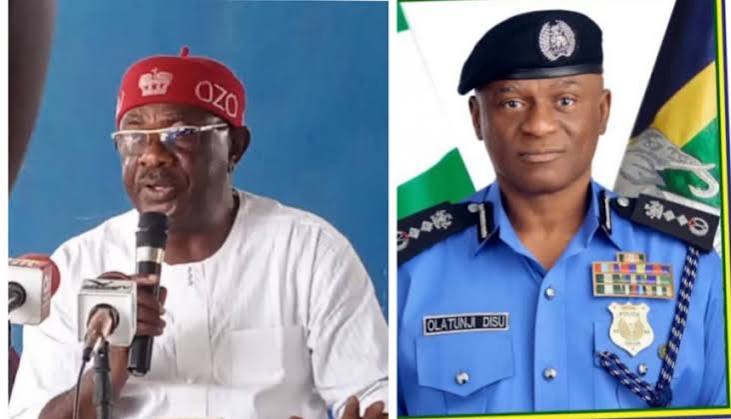
The Sea Empowerment and Research Centre (SEREC) says poor regulation of shipping lines could undermine the credibility of the Nigeria Customs Service (NCS) reforms.
Head of Research SEREC, Dr Eugene Nweke  made this Known to Newsmen in Abuja
Nweke said that customs efficiency was linked to the performance of the Nigeria’s maritime and trade ecosystem.
Hr described the NCS as central to the success of the National Single Window (NSW) risk-based clearance and trade facilitation reforms.
“However, Customs efficiency gains are systematically eroded when upstream shipping practices introduce artificial delays, speculative charges, remote cargo release approvals and opaque cost structures”.
“In effect, weak regulation of shipping line conduct externalises inefficiencies into the Customs clearance process, inflates transaction costs, distorts compliance behavior and undermines the credibility of customs-led trade reforms,”
Nweke said that SEREC had submitted a white paper to the government advocating that shipping line governance, port economic regulation, and customs trade administration should be treated as inseparable policy domains.
SEREC said Nigeria’s Port challenges were not only infrastructure-driven but governance-related, warning that weak regulation, missing oversight reports and unchecked discretion in systems like the NSW could undermine reform efforts.
SEREC recommended reforms for Nigeria’s shipping sector, including public release of committee findings, statutory refund timelines with penalties, banning speculative demurrage billing, mandatory local cargo release and alignment of shipping practices with the NSW among others.
Nweke said that the aim of the white paper was to draw attention to sharp practices and regulatory weaknesses that had evolved beyond operational inconveniences into macroeconomic and governance risks.
“For NCS trade reforms to deliver their full impact in 2026 and beyond, shipping practices must align with the same principles guiding Customs modernisation: transparency, predictability, automation, accountability and local control.
Nweke said that by 2026, stakeholders in Nigeria’s maritime industry hope to transition from opaque and arbitrary port operations to a transparent, rules-based system managed through digital technology.
He stressed that the shift should align with ongoing reforms and international best practices, facilitated by the government through providing enabling environment and enforcing regulations
“These include predictable costs, enforceable service standards, transparent billing, time-bound cargo release, and institutional accountability particularly as Nigeria advances the National Single Window (NSW), port economic regulation, and revenue optimisation objectives.
“The expectation is not the creation of new laws, but disciplined enforcement of existing instruments, public disclosure of regulatory outcomes, and insulation of regulators from political and commercial capture,” Nweke said.
By: CHINEDU WOSU
Continue Reading

Maritime

Tinubu Approve Take Off Of Olokola Deep Seaport In Ogun State

Published

on

Nigeria President, Bola Ahmed Tinubu has approved the immediate take-off of the Olokola Deep Seaport project in Ogun Waterside Local Government Area
The approval brings  to an end years of delay surrounding the multi billion dollar Port.
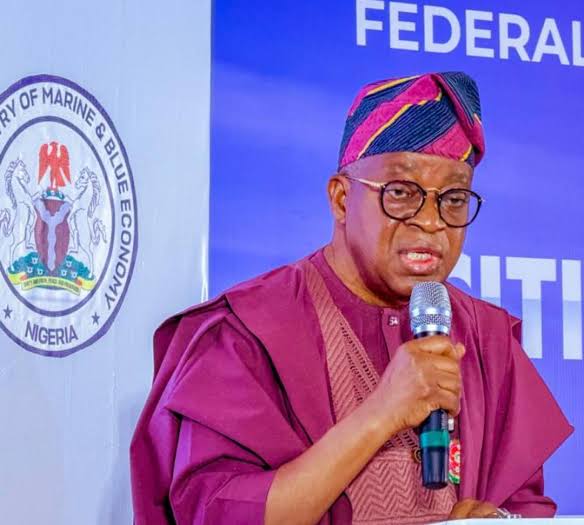
Gov. Dapo Abiodun of Ogun made this Known to Journalists during an interactive session
 Governor Abiodun said the Seaport would help decongest Lagos ports, while oil drilling at Tongeji Island would boost economic activities and inclusion in coastal communities.
“The Olokola deep seaport project, which has been on the drawing board for several years, has been revived following a series of meetings with the President”.
“I want to sincerely thank Mr President because this is solely his initiative. In the last two weeks alone, we have held several meetings on Olokola, and he has clearly expressed his desire to see the port become a reality,” he said.
The Governor said the seaport would be known as the Blue Marine Economic Zone, would leverage the coastal road as an alternative logistics corridor and further ease pressure on the Lagos ports.
He commended the Nigerian Navy for establishing a Forward Operations Base at Tongeji Island, saying the move would enhance security and prevent infiltration from neighbouring Benin Republic.
The Governor said that the state government was working to provide basic amenities for residents of the island to improve living conditions and support emerging economic activities.
Abiodun thanked the Navy for its contribution to security in the state, attributing the relative peace in Ogun to collaboration among security agencies.
By: CHINEDU WOSU
Continue Reading

Maritime

Gov Eno Vows To Actualise Ibom Deep Seaport Project 

Published

on

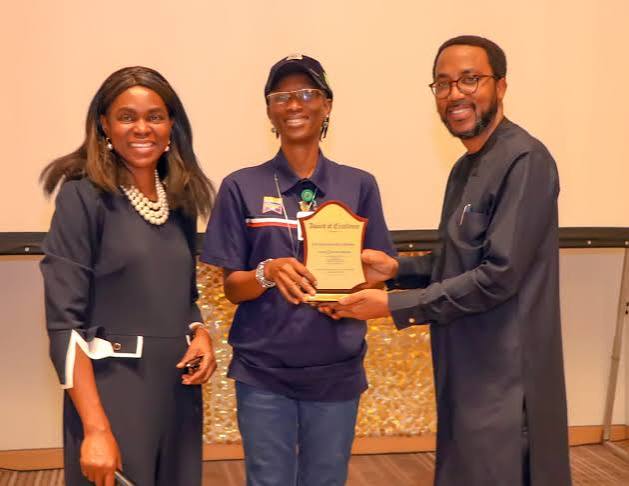
 Akwa Ibom State Governor, Umo Eno says his administration is  commitment to deliver the Ibom Deep Seaport project as a critical infrastructure to boost the state’s economy and transform the region.
The Governor said this during the signing of a Memorandum of Understanding (MoU) between the state government and the Interaf Group Consortium at the Government House, Uyo.
Represented by the Secretary to the State Government, Mr Enobong Uwah, Eno emphasized on the project’s significance.
“The project is a necessity for the people of the state as my administration is fully committed to putting the necessary requirements in place to get it on course,” Eno said.
The Governor urged the consortium to work closely with the Akwa Ibom Investment Corporation, AKICORP, and the government’s representatives to ensure its timely execution.
He commended the organisation for its interest in ensuring the actualisation of the project
The Governor thanked the former Petroleum Minister, Mr Don Etiebet, for being a part of the team, and for working toward the actualisation of the facility.
Earlier,Chairman and Chief Executive Officer of Interaf Group Consortium, Mr Ezinwa Ibekwe commended the government for the confidence reposed in the company.
Ibekwe assured the government of the consortium’s readiness to deliver on its mandate, promising a collaborative approach to ensure the project’s success.
By: CHINEDU WOSU
Continue Reading

Trending