
Business
‘Nigeria On A Self-Rediscovery, Redemption Mission’

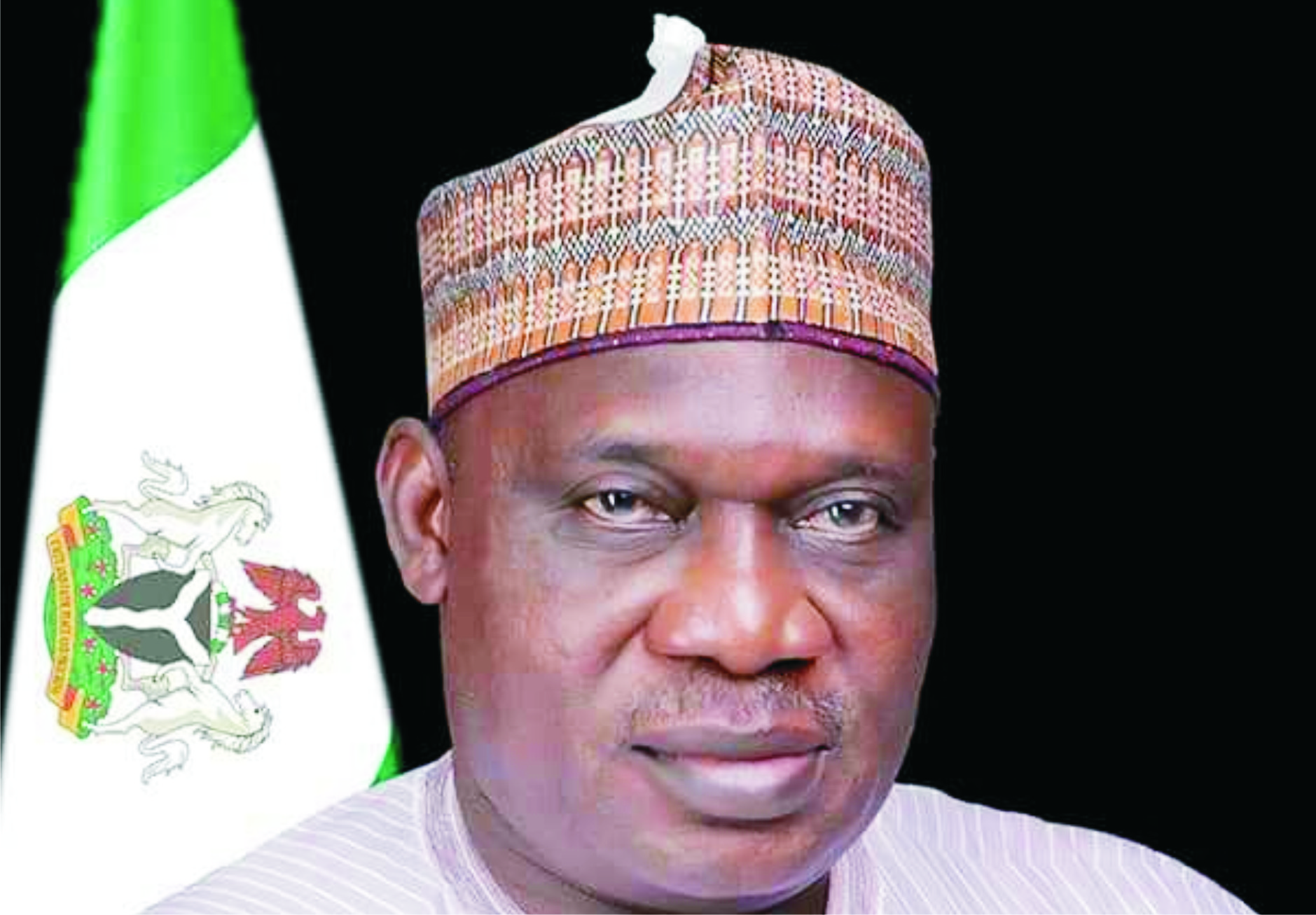
The Director-General Nigeria Mining Cadastre Office (MCO), Mr Obadiah Nkom says the country is in historic times as it is on a mission of self-rediscovery and redemption.
He said this during his investiture as president of the Nigeria Mining and Geosciences Society (NMGS) weekend in Abuja.
The Tide news reports that he was elected as the society’s 30th president in March, at its 55th Annal International Conference in Enugu.
Nkom recalled that the country prior to the discovery of oil and gas in commercial quantity was known for its tin, columbite, and coal.
“Mining was one of main-stay of the country’s economy, leading to the establishment and development of cities such as Jos and Enugu where generations were raised.
“Mines and mining camps were homes to people from diverse corners of this country, guarantying the earning of decent living wages,” he said.
This, the NMGS President said promoted cohesive family lives and above all cemented the bond among the people.
Nkom said such days were only now remembered with nostalgia, especially so, because many of the mining entities had long been consigned to the dustbin of history.
He, however, said that efforts were being made by some Nigerians to get the country back to those “winning ways again”, a reason he said the country was on a mission of self-rediscovery and redemption.
The director-general assured Nigerians that as the President Muhammadu Buhari-led administration enters the next level of development, the NMGS would continue to work closely and harmoniously with government and its agencies to achieve its objectives.
He noted that jobs in the oil and gas sector was becoming endangered as the world was aggressively looking for alternatives to fossil fuels.
Nkom advised that the Nigerian oil and gas sector should therefore, as a matter of fact begin to also pursue the maximisation of the potential inherent in the sector.
“Nigeria should shift from exporting unrefined crude to becoming a nation of petrol chemicals, we should pursue the conversion of this black gold into finished products and raw material feedstocks for industries.
According to him, this will hasten the country’s industrialisation process and create more jobs for teaming unemployed Nigerians.
He said it was regrettable that we export jobs that were badly needed by the teeming youth in the country.
Nkom explained that when we export crude oil, the country is denied the full benefits of our God given potential.
He, however, said that political will and a determined populace desirous of forgoing current short-time pleasure and comfort for a secured and sustainable future was required to achieve the full potential of the country’s solid mineral deposits.
According to him, in order to achieve this, there is the need for the Federal Government to formulate a licensing policy to encourage oil companies to becoming petrol-chemical producers rather than extractors and exporters of crude.
The ceremony was also attended by some traditional rulers from across the country, among whom was Malam Tagwai Sambo, the Chief of Marwa, in Kauro Local Government Area of Kaduna State.



Business
Jonathan, Diri, Others Laud Firm’s Milestone in Bayelsa …Says Project Will Drive Industrialisation, Create Jobs



-

 News3 days ago
RSG Targets Nine Million Residents in Mosquito Net Distribution Campaign
-

 Oil & Energy3 days ago
Aiyedatiwa Signs New Electricity Bill
-

 Maritime3 days ago
Marine Minister Commends President Tinubu On NPERA Bill Assent
-

 Oil & Energy3 days ago
NLNG Commissions Research And Innovation Centre In RSU
-

 News3 days ago
KenPoly Holds Eight Convocations, August 29
-

 News3 days ago
RSG Begins Another Phase of Projects Commissioning Today
-

 News3 days ago
RMAFC Completes Revenue Sharing Review, Proposes New Pay
-

 Maritime3 days ago
NAGAFF Petitions IGP Over Alleged Maritime Police Harassment