
Business
FG To Create 4m Jobs Through Palm Oil Production

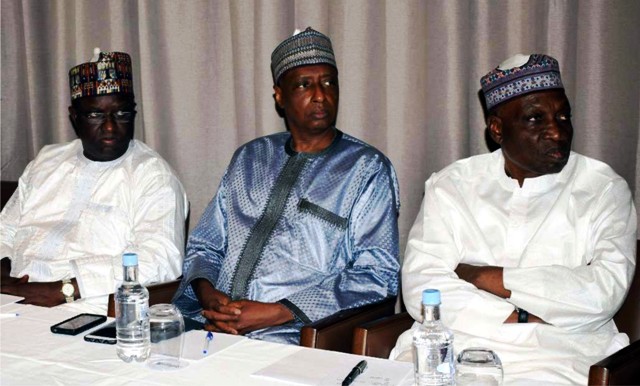
The Federal Government says it will create more than four million jobs through oil palm production in the country.
The Permanent Secretary, Federal Ministry of Industry, Trade and Investment, Mr Sunday Akpan, said this in a statement signed by Senior Information Officer in the ministry Mr Sorinolu Olayinka, in Abuja.
Akpan, who was represented by the Director, Department of Commodity Produce and Inspectorate (CPI), Mrs Omololu Ope-Ewe, said this during the presentation of the draft Oil Palm Policy document value chain.
He said that Federal Government was working toward ensuring the repositioning of the Oil Palm sector for optimal contribution in terms of job creation and revenue sources for both government and the private sector.
Akpan said that oil palm which once played a predominant role in the Gross Domestic Product (GDP) of the country, depended on imported ones to augment local production.
He said the local production was just about one per cent GDP, unlike the contribution of 70 per cent GDP in the past.
Akpan said that potentiality in the sector with the propensity to sufficiently and conveniently place the country as a major oil palm producer and exporter, ”as against what is obtainable in the crude oil sector”.
“The essence of the national oil palm policy is to guide, regulate, protect and support both public and private investment in the sector,” he said.
He charged stakeholders to put aside personal and organisational interest and consider the draft policy document bearing in mind the impact it would create on the economy.
Akpan said that with the policy in place, the country would have a national document that would protect the sector, while due diligence would be done to stimulate investment for higher productivity.
Earlier, in her presentation of the draft policy document, Mrs Funmi Ilamah of the Management Strategy Advisory Ltd., said that the policy document was very important to the producers of the crude palm oil.



Business
Jonathan, Diri, Others Laud Firm’s Milestone in Bayelsa …Says Project Will Drive Industrialisation, Create Jobs



-

 News3 days ago
RSG Targets Nine Million Residents in Mosquito Net Distribution Campaign
-

 Oil & Energy3 days ago
Aiyedatiwa Signs New Electricity Bill
-

 Maritime3 days ago
Marine Minister Commends President Tinubu On NPERA Bill Assent
-

 Oil & Energy3 days ago
NLNG Commissions Research And Innovation Centre In RSU
-

 News3 days ago
KenPoly Holds Eight Convocations, August 29
-

 News3 days ago
RSG Begins Another Phase of Projects Commissioning Today
-

 News3 days ago
RMAFC Completes Revenue Sharing Review, Proposes New Pay
-

 Maritime3 days ago
NAGAFF Petitions IGP Over Alleged Maritime Police Harassment