
Oil & Energy
FG To Spend N1.149trn On Petrol Subsidy

A princely sum of N1. 149, 385 trillion is estimated to go into the payment of subsidy on petrol imported into the country this year.
With the provision of a mere $1 billion, which is about N305 billion in the 2019 budget year, the country may run into a massive budget deficit if nothing is done about the development.
The breakdown shows that at the prevailing $2.54 per gallon of fuel in the United States, which translates to N774.7 at the official exchange rate of N305 to $1, a litre of petrol in the country costs N193.68 on the average.
Going by the last pricing template released in 2018 by the Petroleum Products Pricing Regulatory Agency (PPPRA), additional cost elements of N14.3 per litre is required to cover the retailers’ margin, bridging fund, dealers’ cost and transporters’ pay.
Thus the landing cost of petrol in the country currently is N207.98. This implies that government currently pays N62.98 subsidy per litre of petrol.
The Nigeria National Petroleum Corporation (NNPC) which has since deployed subsidy as part of its operational costs, as the last resort of supply line as enshrined in the NNPC Act 1977, defrays an estimated N3.149b per day under what is tagged “under-recovery.”
The sum of N3.149b per day therefore implies that the country is projected to spend N1.149, 385 trillion in 2019 on petrol subsidy.
The Group Managing Director of NNPC, Dr. Maikanti Baru, last year said that the country’s daily consumption of petrol was 50 million litres.
This daily national consumption figure was also, yesterday, confirmed by the Acting General Manager, Corporate Services of the Petroleum Products Pricing Regulatory Agency (PPPRA), Kimchi Apollo.
With the NNPC playing the role of the sole importer of petrol into the country and adopting the “under recovery” approach, the PPPRA no longer processes payments of subsidy, but its officials are still present at the ports to ascertain how many litres the NNPC is bringing in.
The take-over of the processing of subsidy payment led many to conclude that the NNPC has usurped the function of the PPPRA, but Apollo insisted that the NNPC has not taken over PPPRA’s responsibilities, stressing that both organisations are working together to ensure a smooth distribution of petroleum products.
Apollo, who had, in an earlier statement explained that the Petroleum Support Fund ended in December 2015, added that the scheme has been managed by the PPPRA since May 2016.”Under this scheme,” the statement explained, “the agency regulates petroleum products supply and distribution through the issuance of Quantity Notification (QN) and LAYCAN to NNPC and Oil Marketing Companies (OMCs). It also monitors discharges at various facilities nationwide.”
Principal Consultant to the National Assembly on Oil and Gas Industry Reform, Dr Francis Adigwe, warned that the current subsidy regime is not sustainable, saying government must exit a regulated downstream sector.
His words: “Government needs to liberalise the downstream sector. Nigeria has an oil and gas industry that will not grow as long as government continues to subsidise products. The importation ensures the value-added that will provide employment and rejuvenate the economy is completely lost.”



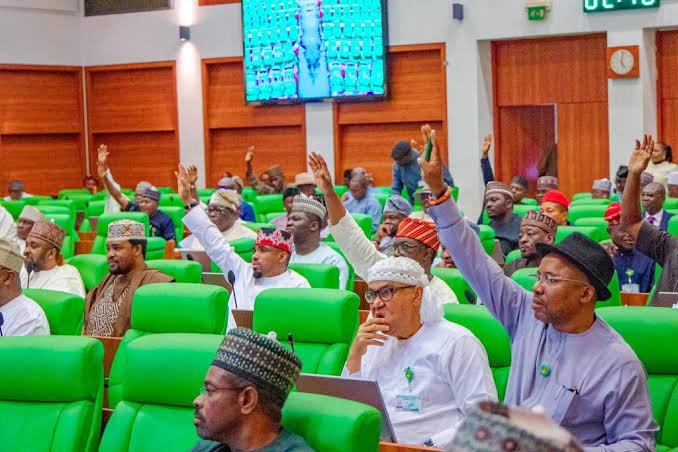
The decision followed a review by the House Sub-Committee on the Petition concerning NIPCO Plc, which rejected the complaint filed by the Nigerian Energy Security Watch Group (NESWG) for lacking substance and evidential support.
The petition had called for an investigation into, and the suspension and cancellation of, gas distribution licences issued by the Nigerian Midstream and Downstream Petroleum Regulatory Authority (NMDPRA) to NIPCO for Lagos, Ogun, Oyo and Osun states, as well as the Lagos and Lekki Free Trade Zones.
Announcing the decision last Thursday, the Chairman of the Sub-Committee, Peter Aniekwe, said the petitioners relied on hearsay and failed to establish any wrongdoing in the licensing process.
“At its sitting today, the Sub-Committee resolved not to proceed with the investigation, and the petition is accordingly dismissed,” Aniekwe said.
The committee, which also includes Dahaltu Shehu, was constituted in October to examine the petition. It was granted an additional 14 days on October 26 to conclude its assignment.
Aniekwe said the issuance and regulation of gas distribution licences were statutory responsibilities of the NMDPRA under the Petroleum Industry Act, while stressing that the National Assembly would continue to exercise oversight over the process.
He disclosed that the regulator had committed to completing and rolling out gas distribution licensing in the fourth quarter of 2026, adding that the committee would monitor the implementation.
“Nigerians deserve a gas market that is open, competitive and safe, and investors deserve rules that are clear and stable,” he said.
The lawmaker reaffirmed the House’s commitment to considering petitions from individuals and organisations with genuine concerns about the petroleum sector, saying “each complaint would be assessed on its merits”.
-
News2 days ago
RSG Reaffirms Commitment To STEM Education, Technological Advancement
-
Business2 days ago
‘NUJ, NPA’s Partnership Would Boost Port Producrivity, Economic Growth’
-

 News2 days ago
IGP Warns Police Officers Against Partisanship …Directs Regular Engagement With Journalists
-
Business2 days ago
Fire Threat Interrupts Asaba Air Peace Flight
-
 News2 days ago
Customs To Deploy AI, Scanners Against Snuggling
-
Business2 days ago
Fish Production Deficit, A Major Investment Opportunity – Minister
-
Business2 days ago
NCDMB, NLNG Unveil $9m For Professorial Endowment Research Chairs In Six Varsities
-
 Politics2 days ago
2027: INEC Begins Deployment Of Non-Sensitive Materials