
Oil & Energy
Board Tasks Stakeholders On Economic Diversification

The Nigeria Content Development and Monitoring Board (NCDMB) has restated its commitment to promotion of the Federal Government’s diversification policy beyond the oil economy, and urged stakeholders to totally key into the policy.
Executive secretary o f the Board, Engineer Simbi Wabole, who spoke with newsmen in Port Harcourt recently, shortly after attending a function called on stakeholders to key into the diversification policy to fast-track economic growth in the country.
He pointed out that the Federal Government’s Economic Recovery and Growth Programme (ERGP) was targeted at promoting economic growth through diversification, adding that the mandate of the board is drawn from the Nigeria Oil and Gas industry Content Development Act 2010.
According to the Executive Secretary, “before the 2010 Nigeria Oil and Gas Industry Content Development Act, fabricators, engineering and procurement were done abroad, resulting in an estimated capital flight of about & 380bn in 50 years, with the level of Nigerian content far less than five per cent as the focus was merely an oil revenue”.
Wabote disclosed that three percent of marine vessels were owned by of the act, but today Nigerians control and own 36% of vessels that are used in the oil and gas industry.
He said the country has a target 70% in country value retention within the next 10 years and assured the commitment of the board to create enabling environment for stakeholders to promote content development.
He called on Nigerian entrepreneurs and experts to take advantage of the opportunities to promote indigenous technological growth.
He further explained that six key sectors had been identified by the board as priority areas for diversification. These include agriculture, manufacturing, solid Minerals Services construction / real estate and oil and gas.
By: Taneh Beemene.



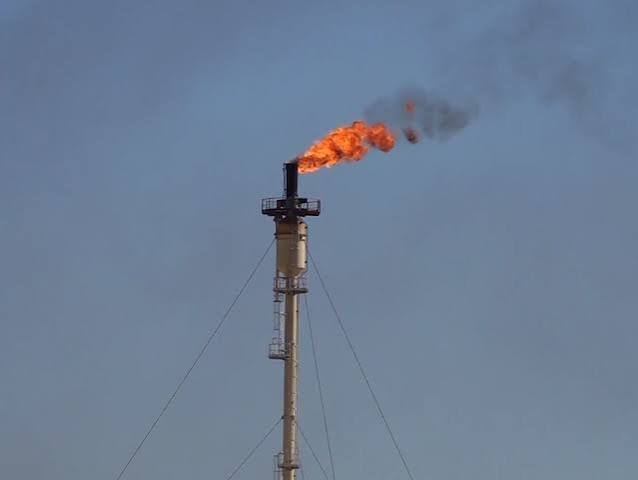

Excluding Oman, their oil exports reached 18.4 million bpd in October, although shipments remained 26 per cent below prewar levels. Crude oil exports alone totaled 15 million bpd, equivalent to 82 per cent of their volume before the conflict.
Despite the prospect of excess supply, the IEA continues to identify two major sources of uncertainty: depleted onshore inventories and the security of maritime transport.
Its latest projections indicate that the recovery in global oil supplies has outpaced its earlier expectations. The market now faces the prospect of a surplus before the end of 2026, although low inventories on land and risks to shipping routes remain unresolved.
-
News4 days ago
Bayelsa Boat Mishap: Tinubu Donates N250m As Death Toll Hits 29
-
News4 days ago
Odu Pays Tribute To Late Chinwah, Describes Him As Courageous, Selfless Academic
-
 Maritime4 days ago
Nigeria, Russia Customs Sign MOU To Trade Facilitations
-

 Sports4 days ago
World marathon champion gets three-year doping ban
-
 Maritime4 days ago
South-South Governors Urges To Shake Off Collective Lethargic To Embrace Blue Economy
-
 Maritime4 days ago
Oyetola Woos Investors With Nigeria’s Seabed Resources, Marine Biotechnology
-

 Business4 days ago
Moniepoint MfB transaction volume hits 1trn daily — CEO
-

 Oil & Energy4 days ago
Global Oil Market May Witness Supply Surplus Before The End Of 2026 …… Report