
Business
Financial Literacy: SEC To Partner Grassroots Groups

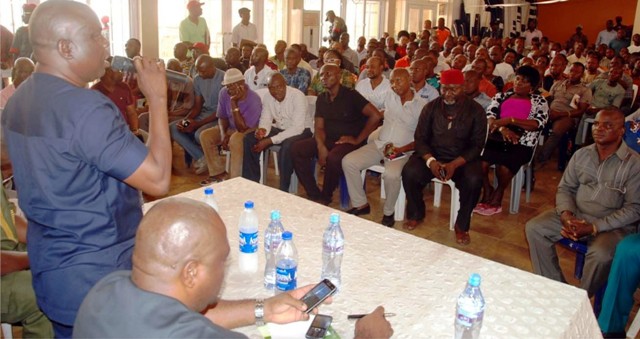
The Securities and Exchange Commission (SEC) has expressed its readiness to collaborate with various grassroots groups in its financial literacy campaign.
This, the commission said was in a bid to ensure that Nigerians in the rural areas are effectively sensitised on the benefits of investing in the capital market.
Acting Director-General of SEC, Ms Mary Uduk stated this during a meeting with executive members of National Youths Initiative for Peace and Governance (NYIPG) at the commission’s head office in Abuja.
According to a statement by the commission, Uduk, who was represented by Ag. Executive Commissioner, Corporate Services, SEC, Mr Henry Rowlands commended the organisation on the various good governance and entrepreneurship sensitisation campaigns they have carried out and expressed the desire of the commission to tap into their already existing structures to also sensitise the grassroots on financial literacy.
“We are delighted at the various sensitisation you have carried out to enlighten the people in your region on the need to engage in meaningful vocations.
When someone is fully engaged, he will work for the peace of the country as he would not want any activity that would destroy his business.
“The SEC as part of its market development mandate would like to partner with you to educate the people on the best ways to invest this money they are making from their businesses.”
“ As a regulator, we need peace to function properly and we are willing to support any initiative that will promote peace in our country.
The Ag. DG said the Commission has been in the vanguard of inculcating financial literacy for quite a long time because SEC had realised that it was very important for Nigerians to imbibe the culture and habit of being financially literate and be familiar with the operations of the capital market.
Uduk disclosed that already, the Commission was involved in various campaigns that took its staff to schools, rural areas among others all in a bid to ensure that Nigerians are aware of the benefits of investing in the capital market.
“We have school children come to our office on excursion visits where we educate them on various themes like saving the culture, investment opportunities in the market among others and are also infusing Capital Market Studies (CMS) into schools’ curriculum.
We have already signed aMemorandum of Understanding (MoU) with the Nigerian Educational Research and Development Council (NERDC).



Business
Jonathan, Diri, Others Laud Firm’s Milestone in Bayelsa …Says Project Will Drive Industrialisation, Create Jobs



-

 News3 days ago
RSG Targets Nine Million Residents in Mosquito Net Distribution Campaign
-

 Oil & Energy3 days ago
Aiyedatiwa Signs New Electricity Bill
-

 Oil & Energy3 days ago
NLNG Commissions Research And Innovation Centre In RSU
-

 Maritime3 days ago
Marine Minister Commends President Tinubu On NPERA Bill Assent
-

 News3 days ago
KenPoly Holds Eight Convocations, August 29
-

 News3 days ago
RSG Begins Another Phase of Projects Commissioning Today
-

 News3 days ago
RMAFC Completes Revenue Sharing Review, Proposes New Pay
-

 Maritime3 days ago
NAGAFF Petitions IGP Over Alleged Maritime Police Harassment