
Business
Economic Dev: Minister Seeks Support For Nigeria, W’Africa

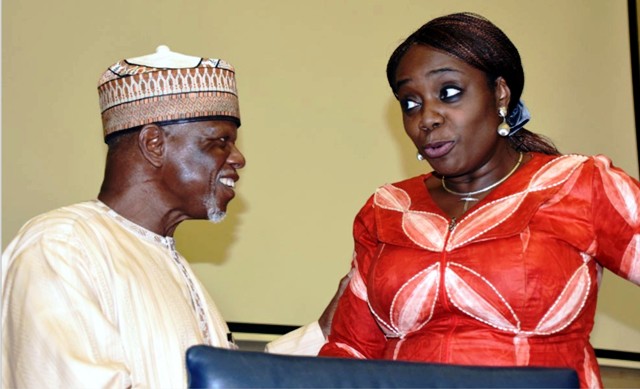
The Minister of Finance, Mrs Kemi Adeosun yesterday, called for additional technical and institutional support from the Africa Regional Technical Assistance Centre West 2 (AFRITAC West 2) for West African countries.
Adeosun said this in a statement issued by Mr Oluyinka Akintunde, her Special Adviser on Media and Communications.
The statement said Adeosun spoke at the sixth Steering Committee meeting of the IMF –AFRITAC West 2 in Abuja.
The minister said the provision of more technical and institutional support for West African countries would impact significantly on capacity development within the region.
“The ability to mobilise resources and build institutions with the capabilities to allocate them effectively is the foundation of a strong economic management engine.
“The transfer of these technical capabilities and emergence of stronger institutions will increase the economic resilience of member-countries.
“These countries will have the technical capability to successfully and independently manage their economies to effectively deliver on critical development imperatives,’’ he said.
Adeosun said the Nigerian Government was committed to the diversification of the economy from over reliance on oil.
She pledged that going forward, the economy would be shielded from the negative effects of over-dependence on a singular resource.
Adeosun also said the government was mobilising domestic revenue through taxes to improve the economy and foster economic development.
“AFRITAC has supported this effort by conducting the Tax Administration Diagnostic Assessment Tool, which provided Nigeria with an objective assessment of key components of our tax system.
“We see this work as critical to Nigeria’s future development, and would support its continued implementation,” she said.
Adeosun urged member-countries of the West African region to collaborate with AFRITAC to strengthen country ownership of the various capacity development interventions.
The Coordinator of AFRITAC, Mr Oral Williams, disclosed that the Centre had executed 150 capacity development activities across member-countries.
According to him, the Centre has designed the work programme for the next fiscal year with the aim of delivering quantifiable results.
The event was attended by the Senior Resident Representative of the International Monetary Fund (IMF) in Nigeria, Mr Amine Mati, the Director-General of Budget Office, Mr Ben Akabueze.



Business
Jonathan, Diri, Others Laud Firm’s Milestone in Bayelsa …Says Project Will Drive Industrialisation, Create Jobs



-

 News2 days ago
RSG Targets Nine Million Residents in Mosquito Net Distribution Campaign
-

 Oil & Energy2 days ago
Aiyedatiwa Signs New Electricity Bill
-

 Oil & Energy2 days ago
NLNG Commissions Research And Innovation Centre In RSU
-

 Maritime2 days ago
Marine Minister Commends President Tinubu On NPERA Bill Assent
-

 News2 days ago
KenPoly Holds Eight Convocations, August 29
-

 News2 days ago
RSG Begins Another Phase of Projects Commissioning Today
-

 News2 days ago
RMAFC Completes Revenue Sharing Review, Proposes New Pay
-

 Maritime2 days ago
NAGAFF Petitions IGP Over Alleged Maritime Police Harassment