
Business
Nigeria, Exiting Recession – Economist

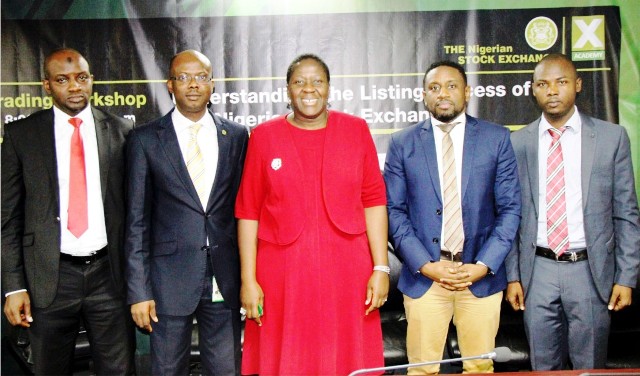
An economist, Dr Aminu Usman, says Nigeria is exiting recession with the various programmes and policies put in place by the government.
The Tide recalls that Finance Minister, Kemi Adeosun had said that the country is already out of recession to an extent.
She said that the economy would also witness a seven to eight per cent growth soon at this rate.
Usman, head of economics department, Kaduna State University, told our source yesterday in Abuja that despite this assurance the country had yet to fully come out of recession.
“Yes, I share her sentiment that Nigeria is almost certainly exiting the recession, but until the government is able to translate these gains to improvement in the life of the average Nigerian, we are technically still in recession.
“The Economic Recovery and Growth Plan (ERGP) anchors economic policy of the government but its implementation schedule and measurable targets are not made clear for assessment.
“I still doubt that it was packaged in such a way that it will propel the economy to sustainable growth as expressed by the Honourable Minister,’’ the economist said.
He said that the inflation figures and stability in the crude oil price are some of the indicators the country was on its way to further prosperity.
The National Bureau of Statistics (NBS), in its latest report said that the country’s inflation as measured by Consumer Price Index (CPI) further dropped to 16.10 per cent in June from 16.25 per cent in May.
According to NBS, this is the fifth consecutive decline in the rate of inflation since January.
“I think the minister is saying with the previous inflation figures and the continued stability in the price of crude oil Nigeria is sure to exit the recession any time soon.
“She is also optimistic because projections have shown that the price of crude oil will be stable for the next few months and the criminal activities in the Niger Delta region will continue to be contained,’’ Usman said.
According to him, the current challenge was the fact that despite the stability of the principal revenue sources of government, the life of the average Nigerian has not changed substantially.
“After receiving huge amounts from FGN, state governments are still owing backlog of salary arrears and are refusing to pay contractors.’’
Nigeria’s economy entered recession in August 2016 after the country witnessed negative growth in the first and second quarters.



Business
Jonathan, Diri, Others Laud Firm’s Milestone in Bayelsa …Says Project Will Drive Industrialisation, Create Jobs



-

 News3 days ago
RSG Targets Nine Million Residents in Mosquito Net Distribution Campaign
-

 Oil & Energy3 days ago
Aiyedatiwa Signs New Electricity Bill
-

 Maritime3 days ago
Marine Minister Commends President Tinubu On NPERA Bill Assent
-

 Oil & Energy3 days ago
NLNG Commissions Research And Innovation Centre In RSU
-

 News3 days ago
KenPoly Holds Eight Convocations, August 29
-

 News3 days ago
RSG Begins Another Phase of Projects Commissioning Today
-

 News3 days ago
RMAFC Completes Revenue Sharing Review, Proposes New Pay
-

 Maritime3 days ago
NAGAFF Petitions IGP Over Alleged Maritime Police Harassment