
Business
Unemployment: NGO Advocates Waste-To-Wealth Ventures As Panacea

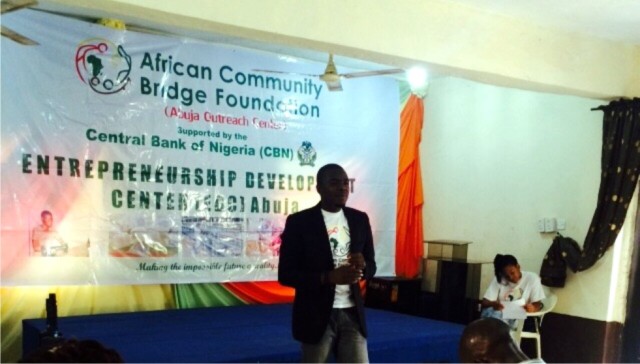
African Community Bridge Foundation (ACBF), an NGO, has called for the initiation of practical waste-to-wealth initiatives to generate employment opportunities for the populace.
The Business Development Officer of ACBF, Miss Ebireri Yota, gave the advice in an interview with newsmen in Abuja, yesterday.
“Talking about waste management, specifically transforming trash to cash, we are very interested in it because we understand that we have environmental issues in this country where we do not properly manage our waste.
“We are not just looking for a solution where we can find a better way to manage our waste but we also want to see how we can use that to create employment, especially for the younger generation, and improve the nation’s economy,’’ she said.
Yota said that a major goal of her foundation was the training of “young people on the economic chain by transforming all sorts of garbage into cash.
”Our organisation is focused on the economic chain, on what people called waste materials.
”We are driven by the desire to see our youths, women and the lives of people generally transformed to a stage whereby they can comfortably take care of themselves, while contributing to their immediate environment and the economic well-being of others in the society,’’ she said.
Yota said that ACBF was interested in waste management in the country because of the fact that Nigeria had been facing serious environmental challenges, particularly as most citizens dumped their garbage indiscriminately without knowing its economic values.
Also speaking, the Environmental and Conservation Manager of ACBF, Mrs Nawal Fakhry, re-emphasised the need to recycle waste into other useful materials so as to free the environment from the menace of filth.
Fakhry, a Lebanese, identified indiscriminate dumping of refuse in Nigeria as one of the major environmental challenges facing the country.
She said that the launch of waste recycling establishments would go a long way in making the environment safe and healthy for the citizenry.



Business
Jonathan, Diri, Others Laud Firm’s Milestone in Bayelsa …Says Project Will Drive Industrialisation, Create Jobs



-

 News3 days ago
RSG Targets Nine Million Residents in Mosquito Net Distribution Campaign
-

 Oil & Energy3 days ago
Aiyedatiwa Signs New Electricity Bill
-

 Oil & Energy3 days ago
NLNG Commissions Research And Innovation Centre In RSU
-

 Maritime3 days ago
Marine Minister Commends President Tinubu On NPERA Bill Assent
-

 News3 days ago
KenPoly Holds Eight Convocations, August 29
-

 News3 days ago
RSG Begins Another Phase of Projects Commissioning Today
-

 News3 days ago
RMAFC Completes Revenue Sharing Review, Proposes New Pay
-

 Maritime3 days ago
NAGAFF Petitions IGP Over Alleged Maritime Police Harassment