
Business
FG Saves N95bn Through Contract Reduction In 2014

The Director-General, Bureau of Public Procurement (BPP), Mr Emeka Ezeh, yesterday said that the bureau had saved N95 billion for the Federal Government through cost reduction of contract sums.
Ezeh, who made the disclosure in an interview with The Tide source in Abuja, said that amount was in 2014.
He said that the amount was from the difference of what contractors and service providers had submitted through various Federal Government institutions to execute projects and what the bureau approved.
“Last year, BPP saved Federal Government about N95 billion through cost reduction of contract sums. This is a part of the stories that a lot of Nigerians are not hearing about.
“But I can tell you that the government is doing a lot to prevent corruption.
“Better to prevent the milk from being spilled rather than struggling over milk that is already on ground and waste more resources on picking something that is on ground.
“So, the President is deploying institutions that will stop as much as possible the platform through which corruption occurs and that is through procurement,” he said.
Ezeh said it was not enough for the BBP Act to regulate the Federal Government, it was important for states and local governments to also adopt the Act to curb corruption at all levels.
“The president inaugurated a National Council on Public Procurement in 2010 and had since urged all the states to incorporate the Federal Procurement Act.
“Bauchi was among the first states to adhere to this. Also, Kogi and others signed it into law. All in all, we have a total of 24 states that have signed the Act into law.
“However, a lot of the states remaining are under review like Kaduna state, which is close to signing the bill into law,” he said.
Ezeh expressed optimism that once all this was done, there will be less cases of corruption and money laundering through project execution.
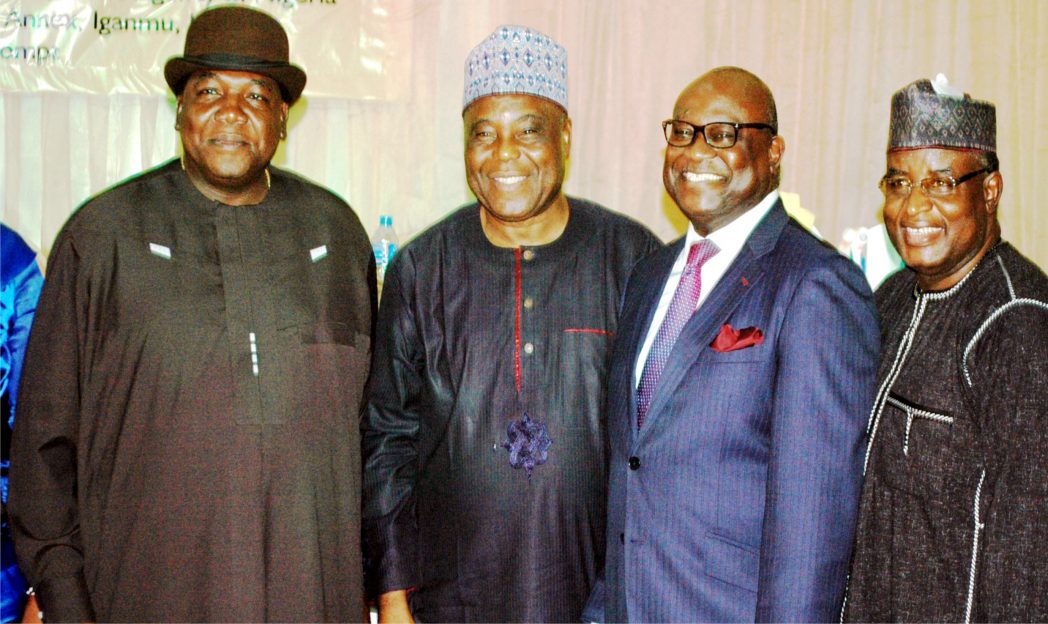
L-R: Supervising Minister, Ministry of Information, Chief Edem Duke, Chairman Emeritus, Daar Communications, Dr Raymond Dokpesi, new chairman, Advertising Practitioners Council of Nigeria (APCON), Governing Council, Mr Udem Ufot and APCON Registrar, Alhaji Garba Kankarofi, at the inauguration of the 6th Governing Council of the agency in Lagos, yesterday.



Business
Jonathan, Diri, Others Laud Firm’s Milestone in Bayelsa …Says Project Will Drive Industrialisation, Create Jobs



-

 News2 days ago
RSG Targets Nine Million Residents in Mosquito Net Distribution Campaign
-

 Oil & Energy2 days ago
Aiyedatiwa Signs New Electricity Bill
-

 Oil & Energy2 days ago
NLNG Commissions Research And Innovation Centre In RSU
-

 Maritime2 days ago
Marine Minister Commends President Tinubu On NPERA Bill Assent
-

 News2 days ago
KenPoly Holds Eight Convocations, August 29
-

 News2 days ago
RSG Begins Another Phase of Projects Commissioning Today
-

 News2 days ago
RMAFC Completes Revenue Sharing Review, Proposes New Pay
-

 Maritime2 days ago
NAGAFF Petitions IGP Over Alleged Maritime Police Harassment