
Oil & Energy
Nigeria Lost 3.3m Barrels To Oil Thieves In 2025 –Report





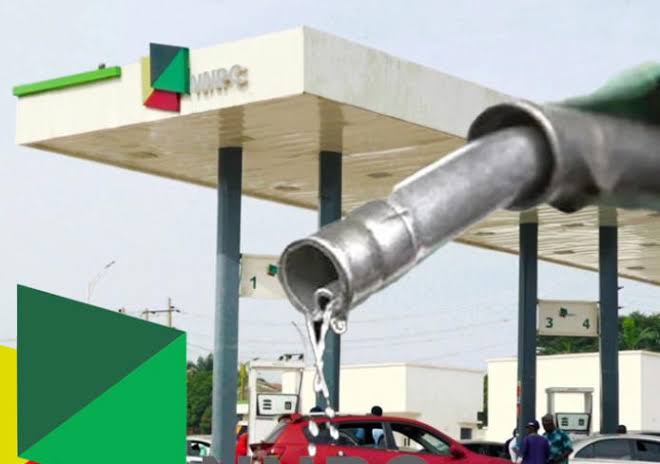
The national oil company said its operational records did not indicate any transportation-related constraints within the network operated by its subsidiary, NNPC Gas Infrastructure Company Limited, that could explain the current drop in power generation.
The position comes amid a disagreement over the factors behind the worsening electricity supply situation, after the Nigerian Independent System Operator(NISO) attributed the decline in generation partly to limited gas availability and reduced water inflows to hydroelectric power stations.
In a statement issued by its Chief Corporate Communications Officer, Andy Odeh, and made available to journalists, at the weekend, NNPC said its clarification concerned specifically the operational condition of its gas transportation infrastructure.
“NNPC Limited is focussed on actualizing the Federal Government’s gas development and monetisation agenda which has led to about 10% growth in gas production volumes 2026 year to date. Gas supply availability is therefore not a challenge as NNPC remains committed to supporting efforts to improve electricity generation through safe, reliable and efficient gas supply and transportation,” the statement said.
It stated that the availability of its transportation network did not necessarily establish that all other stages of the gas-to-power chain were functioning optimally.
“Gas production, commercial supply arrangements and actual deliveries to individual power plants must be assessed separately from the availability of transportation infrastructure”, it said.
NNPC also identified the operational readiness of generating units, maintenance schedules and actual gas offtake as factors that should be considered in determining why electricity generation had declined.
“A comprehensive assessment must also consider the availability and operational readiness of generating units, plant maintenance schedules and actual gas offtake. These factors determine whether gas supplied can be converted into electricity. They should be verified alongside gas supply data to establish the causes of the shortfall,” it added.
The company called for a coordinated review involving gas suppliers, transporters, power generators and NISO to establish the specific constraints affecting electricity generation and determine the necessary interventions.
-
Rivers3 days ago
NUJ Set To Attend UNIPORT’s 217th Inaugural Lecture
-
 News3 days ago
NJC Suspends Three Judges, Sanctions Eight Others
-
Politics3 days ago
Atiku Kicks-Off 2027 Campaign, Promises To Tackle Nigeria’s Challenges
-
 Featured3 days ago
APC Presidential Campaign Storms PH, ‘Morrow
-
News3 days ago
FG Explains Supply Disruption As Power Generation Drops To 3,659MW
-
Metro3 days ago
Port Harcourt Prepares For 10,000 Runners As International Marathon Returns
-
 News3 days ago
Bille Gas Leak: Coalition Tasks FG On Proactive Measures
-

 News3 days ago
IGP Orders Arrest, Prosecution Of Campaign Billboard Vandals