
News
SERAP Sues INEC Over ‘Missing’ N126bn Electoral Funds

The Socio-Economic Rights and Accountability Project (SERAP) has sued the Independent National Electoral Commission (INEC) over its alleged failure to account for more than N126.46bn appropriated for electoral operations.
SERAP alleged that the funds may have been diverted, lost, mismanaged or otherwise unaccounted for.
The organisation is seeking an order of mandamus compelling INEC to disclose details of the expenditure, utilisation and disbursement of the funds, which were meant for the procurement of ballot boxes, electoral devices and materials, result sheets, vehicles and accreditation devices, as well as audit and consultancy services.
The suit, marked FHC/ABJ/CS/2507/2026, was filed last week at the Federal High Court in Abuja, according to a statement issued by SERAP Deputy Director, Kolawole Oluwadare, yesterday.
No date has been fixed for the hearing of the suit.
However, the organisation said the allegations were contained in the 2023 audited report of the Auditor-General of the Federation, published on August 7, 2026. The alleged infractions covered periods between January and December 2022 and, in some cases, extended to December 31, 2023.
In the suit filed by its lawyers, Kolawole Oluwadare, Kehinde Oyewumi and Andrew Nwankwo, SERAP is seeking “an order of mandamus to direct and compel INEC to promptly disclose detailed information on the expenditure, utilisation and disbursement of over ?126.46 billion appropriated for electoral operations, including the procurement of election materials, equipment, and vehicles.”
It is also seeking “an order of mandamus to direct and compel INEC to disclose a full financial and documentary account of the over ?126 billion appropriated for electoral operations, including amounts released and paid, payment beneficiaries, details of contractors and their beneficial owners.”
SERAP argued, “Electoral resources are public resources. INEC must be able to account for every naira, demonstrate that it was lawfully spent and show that it served the purposes for which it was appropriated. These allegations are particularly disturbing given the constitutional importance of INEC and the fact that the expenditure concerns resources appropriated for the administration of Nigeria’s electoral system.
“With the 2027 general elections approaching, transparency and accountability in the management of these funds are essential to safeguarding public confidence in the electoral process and ensuring that resources intended to support credible elections are properly utilised.
“These findings by the Auditor-General suggest a grave violation of the public trust and the provisions of the Nigerian Constitution 1999 (as amended), national anti-corruption laws, and the country’s obligations under the UN Convention against Corruption.
“Democracy requires an informed citizenry. That principle is directly relevant to public expenditure by an electoral management body: citizens are entitled to know how resources entrusted to INEC for the conduct of elections have been used.”
According to the suit, the Auditor-General reported that INEC “irregularly paid” more than ?112bn (?112,155,597,845.00) “for ballot boxes, electoral devices, items and materials without competitive bidding or a BPP Certificate of No Objection. The Auditor-General found ‘no evidence that the items were procured.’ The ‘contracts were awarded to companies whose competences, experience, capacities, addresses and factory locations were unknown.’ He is concerned that the money ‘may have been diverted.’ He wants the money recovered.”
The suit also alleged that INEC “paid over ?1 billion [?1,058,925,000.00] for Toyota Prado TXL 2021 Model without advertisement, competitive bidding, bid evaluation or a BPP Certificate of No Objection. The Auditor-General fears that the money ‘may have been lost’ and that the contracts ‘may have been inflated.’”
On payments for electoral materials, SERAP stated that INEC “paid over ?3 billion [?3,136,806,050.00] to four contractors for ballot guides, sensitive materials and result sheets before the contracts were awarded, with no evidence of payment. The Auditor-General is concerned that the money ‘may have been diverted.’ He wants the money recovered and remitted to the treasury.”
The organisation further alleged that INEC “paid over ?9 billion [?9,245,965,502.60] for 22 contracts for similar goods and services”, with the contracts “split to circumvent procurement procedures and awarded on the same day.”
It said the Auditor-General reported that the money “may have been lost” and that “the payment may have been made for items not supplied.”
On payments to accounting firms, SERAP stated that INEC “paid over ?129 million [?129,375,000.00] to 19 accounting firms for financial audit services without evidence of utilisation or requests and expenditure by the consultants. The Auditor-General raised concerns that the money ‘may have been diverted.’ He wants the money recovered and remitted to the treasury.”
The suit also stated that INEC “paid over ?504 million [?504,492,641.00] for accreditation devices without due procurement process. The ‘APG had expired before the security licence key was delivered and the software was valid for only four months, raising questions about economy and value for money.’ The Auditor-General also raised concerns that the money ‘may have been diverted.’”
On other alleged procurement irregularities, SERAP said INEC “paid over ?235 million [?235,103,000.00] to unqualified contractors for sleeping mats and digital archiving. The Auditor-General identified ‘serious concerns regarding the eligibility and capacity of the contractors’, and raised concerns that the money ‘may have been lost.’ He wants the money recovered.”
SERAP is asking the court to compel INEC to provide evidence of how the funds were spent and establish the whereabouts of the electoral materials allegedly procured.
The suit further stated, “INEC should provide documentary and physical evidence that the over ?112 billion identified as ‘irregularly paid’ was actually used to procure the electoral materials concerned and account for the present location and status of those materials. Nigerians have a right to know every public act, everything that is done in the public interest, by their public institutions including INEC.”
SERAP is also seeking an order directing INEC to preserve the assets covered by the Auditor-General’s findings, arguing that, “INEC should be directed to ensure that no electoral equipment, material or other public asset covered by the Auditor-General’s findings is disposed of, transferred, destroyed, written off or otherwise dealt with in a manner that could frustrate transparency and accountability.”
The organisation further called for the disclosure of the identities of those involved in the transactions, stating: “The names of the contractors, companies, suppliers and consultants who irregularly received public funds, as well as any INEC officials or other public officials who authorised, processed, facilitated or benefited from the transactions should be widely published.”
It added, “Nigerians have the right to know whether the contracted goods and services were actually supplied; whether payments corresponded with goods and services actually delivered; and whether contracts were deliberately split to circumvent procurement requirements.”
SERAP also cited constitutional and international provisions in support of its case.
The suit stated: “SERAP notes that Section 15(5) of the Nigerian Constitution requires public institutions, including INEC, to abolish all corrupt practices and abuse of power. Section 13 of the Nigerian Constitution imposes clear responsibility on INEC to conform to, observe and apply the provisions of Chapter 2 of the Constitution.”
It further argued that “Nigeria’s obligations under the UN Convention against Corruption require INEC to adopt preventive anti-corruption policies and transparent public procurement and public financial management.”
The suit also cited “Article 25 of the International Covenant on Civil and Political Rights and Article 13 of the African Charter on Human and Peoples’ Rights to which Nigeria is a state party” as provisions that protect citizens’ rights to participate in public affairs.


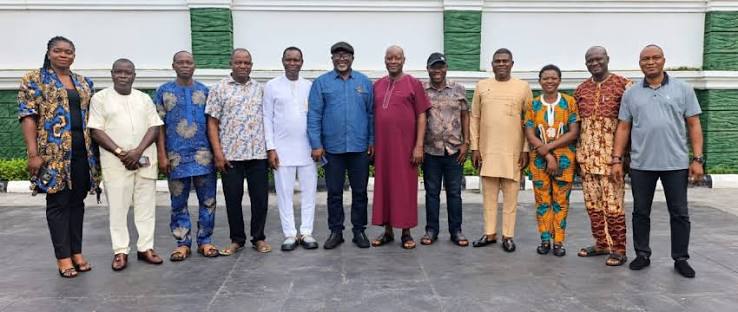
The National Vice President of the Nigeria Union of Journalists (NUJ), Zone F, Comrade Opaka Dokubo, has urged the newly elected State Working Committee (SWC) members of the Delta State Council of the NUJ to embrace inclusive governance, strengthen internal communication and address differences promptly through constructive engagement.
Dokubo gave the charge during a meeting with the new leadership of the NUJ in Delta State following their successful election in Asaba, last week.
The NUJ Vice President in charge of the South South region stressed that diversity of opinion should strengthen, rather than divide the union, calling on the executive to promote teamwork, carry members along and place collective interests above personal differences.
Also addressing the new union leaders, the Chief Press Secretary to the Delta State Governor, Sir Festus Ahon, called on the newly inaugurated SWC to prioritise peace, unity and professional responsibility while strengthening its working relationship with the state government.
Ahon emphasized that internal cohesion was essential to effective union leadership, the protection of journalists’ interests and the council’s contribution to the development of the state.
He said Governor Oborevwori holds the NUJ and its members in high esteem, recognising the important role of journalism in promoting accountability, information dissemination and advancing democratic governance.
He called for closer synergy between the press and government, stressing the need for unity, love, respect amongst members and mutual cooperation in the collective interest of the State.
The Chief Press Secretary assured the NUJ of the government’s continued partnership and support for its activities and welfare, urging the new leadership to sustain the cordial relationship with the government while upholding the ethics of the profession.
He further urged the executive to resolve its disagreements, if any, through dialogue, mutual respect and understanding, warning against avoidable crises that could undermine the unity and progress of the council.
Similarly, the Chief Press Secretary to the Speaker of the Delta State House of Assembly, Comrade Nkem Nwaeke, appealed to members to close ranks and work together to strengthen the union, advance journalists’ welfare and enhance its capacity to represent the profession effectively.
In his response, the re-elected Chairman of the NUJ in Delta State, Comrade Churchill Oyowe, described his re-election as an act of divine providence and pledged to run an inclusive administration anchored on unity, collaboration and the welfare of members.
Oyowe commended the Delta State Government for its support to the union and promised to work closely with other members of the executive while ensuring that all members of the union in the State were carried along in the affairs of the council.
He called for all hands to be on deck, noting that the success of his administration would depend on their collective commitment to peace, responsible leadership and the advancement of the journalism profession.
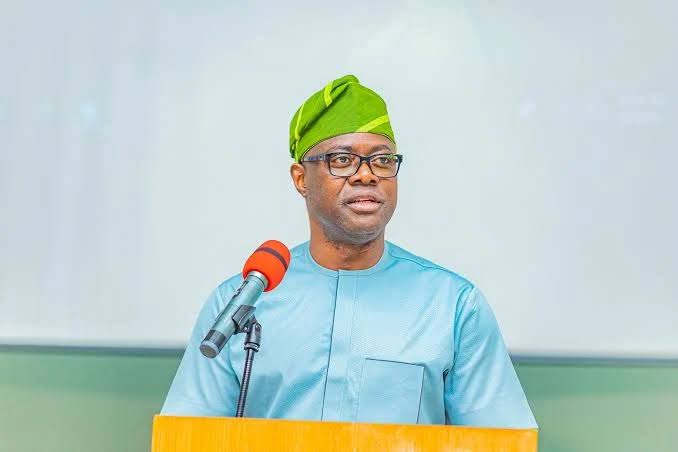
The Presidency has refuted a claim by the Oyo State Governor and presidential candidate of the Allied People’s Movement in the 2027 general election, Seyi Makinde, in which the latter alleged that the Federal Government was withholding ?250 billion per State dividend from the Nigeria Liquified Natural Gas (NLNG).
In a State House statement issued yesterday by the Special Adviser to President Bola Tinubu on Information and Strategy, Bayo Onanuga, the Presidency described the governor’s claim as false and said “it should be disregarded.”
Makinde had, at the 2027 Budget Stakeholders’ Consultative Engagement held at the Olola Ogunlana Hall, International Conference Centre, University of Ibadan, last Friday, alleged that the funds would not be released until after the 2027 elections.
Makinde alleged, “Each state was supposed to get ?250 billion. We had already identified projects that would expand Oyo State’s economy. But they have now said the money will not be paid until after the election. Is the election more important than the people of Nigeria?”
In response, Onanuga said that “Makinde’s latest claim that the Federal Government is withholding the NLNG dividend windfall is false and should be disregarded.”
The statement read in part, “The Presidency wishes to clarify Governor Seyi Makinde’s claim that the Federal Government is withholding ?250 billion in NLNG dividends for each state of the Federation.
“At the 2027 Budget Stakeholders’ Consultative Engagement held at the Olola Ogunlana Hall, International Conference Centre, University of Ibadan, on Friday, Makinde claimed the funds would not be released until after the 2027 elections. He further claimed that the Federal Government had spent the money.
“Makinde’s latest claim that the Federal Government is withholding the NLNG dividend windfall is false and should be disregarded.”
The Presidency affirmed that the “NLNG has never paid $25 billion in dividends to the Federation Account in a single payout.”
“Here are the facts the public should know about how the Federation Account is managed and how money is shared among the three tiers of government.
“Even as a one-off distribution, ?250 billion to each of the 36 states amounts to ?9.0 trillion, excluding the Federal Government, the FCT, and the 774 local councils.
“Under the Federation Account Allocation Committee (FAAC) formula, states receive 26.72% of the distributable Federation Account revenue. For the states’ share alone to reach ?9 trillion, total NLNG dividends paid into the Federation Account would have to exceed ?33.68 trillion (about $25 billion) in a single declaration,” the statement added.
Based on history, the Presidency stated, “NLNG has paid approximately $21.5 billion in dividends to the Federation over the last 25 years, with less than $3 billion realised since President Bola Ahmed Tinubu assumed office.
“Therefore, any claim that a single payout exceeds the company’s entire lifetime distribution to the Federation—and is being withheld—defies basic logic and economic reality.
“We expect Governor Makinde to be more measured in his public conduct and utterances. Since he embarked on his presidential bid, he has chosen to play politics by making misleading claims rather than presenting verifiable facts. Indeed, he has turned false, unguarded statements and claims into an art form.
“He once described the huge financial flow from the federation account to states, including Oyo, as ‘voodoo’.”
The statement stressed that according to the nation’s Constitution, Makinde has the freedom to “pursue” his presidential ambition, but it urged the APM presidential candidate to “desist from making falsehoods and disinformation the hallmarks of his campaign.
“We urge the public to disregard these unfounded claims, which serve only to mislead citizens and stoke needless disaffection against the Federal authorities.”
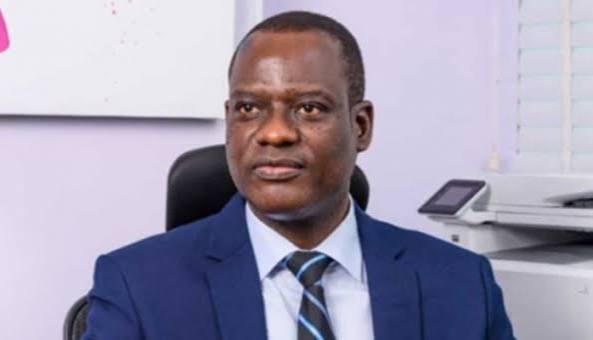
The Federal Government has faulted the revenue figures contained in the World Bank’s latest Nigeria Development Update, dismissing concerns that rising interest payments threaten the country’s debt sustainability.
The Federal Ministry of Finance described reports that interest payments consumed 124 per cent of the FG’s revenue in the first half of 2026 as misleading, arguing that the calculation relied on incomplete revenue figures and failed to account for debt obligations serviced on behalf of state governments.
The ministry made its position known yesterday in a statement which was shared by the Minister of Finance and Coordinating Minister of the Economy, Taiwo Oyedele, via his X handle.
According to the statement, Nigeria’s fiscal position had improved significantly, with government revenue growing faster than interest payments.
It stated, “The Federal Ministry of Finance has noted recent analysis and public commentary which, citing the World Bank’s October 2026 Nigeria Development Update, claims that Federal Government interest payments reached 124 per cent of revenue in the first half of 2026. This conclusion is misleading, for three reasons.”
The clarification followed reports based on the World Bank’s October 2026 Nigeria Development Update, which disclosed that the FG’s revenue stood at N6.2 trillion in the first half of 2026, while interest payments reached N7.7 trillion.
The Federal Government argued that the calculation compared obligations covering multiple tiers of government with revenue attributed solely to the Federal Government.
“The interest figure includes debt the Federal Government services on behalf of other tiers of government, including external loans to states. Measuring this against federal revenue alone overstates the ratio, which is only meaningful when debt and revenue cover the same level of government,” it claimed.
-
Rivers3 days ago
IAUE Hits 2nd Spot In Staff Google Scholar Ranking
-
News3 days ago
RSG Distributes Relief Materials To Khana, Gokana
-
News3 days ago
Rivers Information Ministry Pledges Support For Export Promotion Committee
-
Niger Delta3 days ago
Delta TUC Chairman Congratulates Omare On SAN Elevation
-
Nation3 days ago
Foundation Unveils Intra-Kalabari Mass Transit Scheme
-
Features3 days ago
Empowering The Girl Child,Building A Future Where Every Girl Can Thrive ?
-
Politics3 days ago
IGP Assures Professionalism, Impartial Policing During 2027 Polls
-
Politics3 days ago
Rivers Rep Pushes For 50% Increase In Oil Derivation