Connect with us

Nation

HYPREP Marks World Mangrove Day

Published

on

The Hydrocarbon Pollution Remediation Project (HYPREP), on Saturday, joined the rest of the world to mark the World Mangrove Day, reaffirming its commitment to safeguarding one of the earth’s most vital ecosystems, the mangroves.

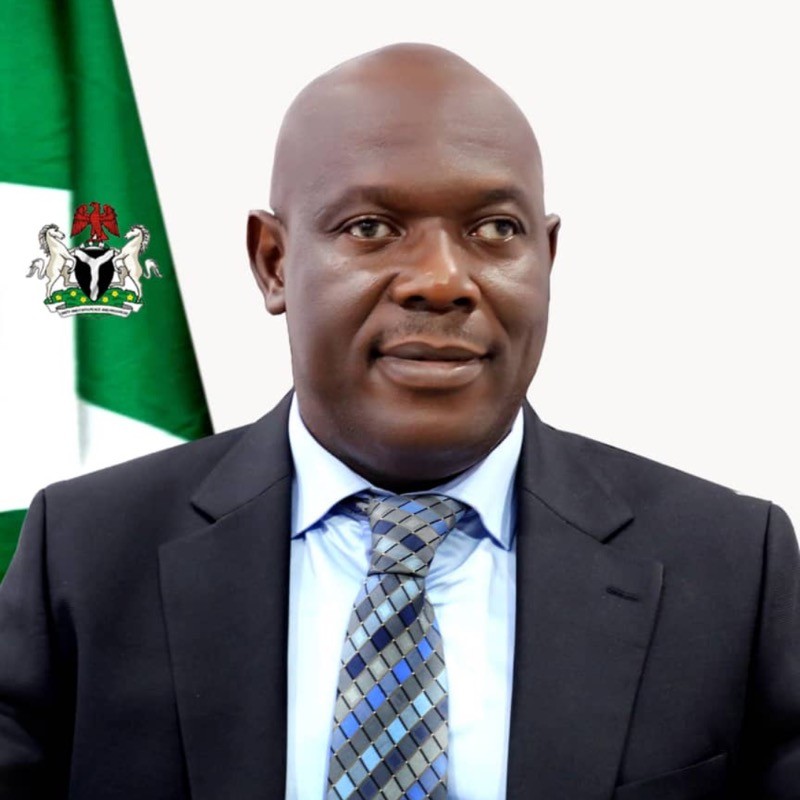
While marking the day, the Project Coordinator of HYPREP, Prof Nenibarini Zabbey noted in a statement issued in Port Harcourt that mangroves play a crucial role in coastal ecosystems, providing habitat for a diverse array of species and protecting shorelines from erosion.

According to him, mangroves maintain water quality, sequester carbon and render cultural and spiritual services.

He said the theme of this year’s World Mangrove Day, “Protecting Wetlands For Our Common Future,” resonates and reflects the role of mangroves in maintaining environmental integrity, regulating the climate, providing socio-economic support, and conserving biodiversity.

The Project Coordinator indicated that in Nigeria, human activities such as pollution from oil spills, plastics, industrial effluents, urbanisation, dredging, and deforestation contribute to significant mangrove loss, adding that between 2010 and 2020, approximately 20 percent mangroves were lost in the Niger Delta.

To reverse the trend, he disclosed that HYPREP has undertaken the world’s most extensive restoration of oil-degraded mangroves in Ogoniland, saying, the Project has completed 93 percent of the phase 1 mangrove restoration project in the Bomu Creek, covering 560 hectares.

Zabbey said HYPREP has also planted 1,393,223 multi-species mangrove seedlings, mimicking the natural zonation and relative proportion of the five species of mangrove planted, contending that “our ecologically sound mangrove restoration efforts have also led to the removal of the invasive nipa palm in the rehabilitated areas.”

He further noted that after over a year of restorative planting, signs of environmental and biodiversity recovery are becoming evident, as some of the planted black mangrove saplings are beginning to flower and produce propagules, stressing that the gradual recovery of crabs, shrimps, oysters, dogwhelks, periwinkles and mudskipper, among other indicative species has been recorded.

According to him, the HYPREP mangrove restoration project has created over 600 direct jobs for Ogoni youths and women, who are involved in planting and monitoring mangrove seedlings/saplings.

He revealed that mangrove vanguards, trained by HYPREP and supported with grants, nursed and supplied the mangrove seedlings to the restoration planting contractors, a gesture which he noted has amplified the livelihood contribution of the Ogoni mangrove restoration project.

Zabbey further hinted that HYPREP would expand the mangrove restoration to other communities in Ogoniland as part of its phase 2 mangrove restoration project, scheduled to commence in the fourth quarter of 2025, saying, as HYPREP continues to monitor planted mangroves through its robust monitoring programme, it has also embarked on sensitising local communities on the need to protect mangroves.

He also disclosed that HYPREP has distributed some clean cookstoves as part of a pilot project aimed at reducing dependence on mangrove wood for cooking, adding that the clean cookstove intervention would be scaled up in the coming weeks.

Zabbey noted that the sustainability of planted mangroves is crucial, as the Project is exploring the possibility of partnering with civil society organisations and development agencies to ensure the sustainability of the rehabilitated mangroves in Ogoniland through sustained sensitisation and creating alternative livelihood opportunities.

“We are also seeking a declaration of the restored mangroves in Ogoniland as a Ramsar Site, which is one of the UNEP report’s recommended actions,” he intoned.

The Project Coordinator noted that protecting wetlands is not just about conservation but about survival and building a community resilience, saying, “it is about securing a future where our children and our children’s children can fish, farm and thrive in balance with nature.”

He emphasised that every mangrove restored is a step toward climate stability, economic security and ecological health, saying, “the Niger Delta, with its people, culture and courage, can lead the world in wetland recovery.”

Zabbey, therefore, used the opportunity provided by the World Mangrove Day celebration to call on Nigerians to support nature-based solutions that integrate science and indigenous knowledge, invest in women’s and youth education, and promote sustainable livelihoods tied to a healthy ecosystem.


Continue Reading

Nation

HYPREP Probes Overhead Tank Collapse …Plans To Supply Water In 65 Ogoni Communities

Published

on

The Hydrocarbon Pollution Remediation Project (HYPREP) has taken prompt steps to unravel the circumstances surrounding the collapse of the overhead tank of the Gwara Water Station recently commissioned by the Minister of Environment, Malam Balarabe Abbas Lawal in Ogoniland, Rivers State.
This is even as the Project has restated its determination and commitment to supplying quality potable water to 65 Ogoni communities before the end of the year.

HYPREP said while addressing journalists in Port Harcourt that it has commenced an investigation into the collapse of the overhead tank at the Gwara Water Station in Khana Local Government Area of Rivers State.
The high-level committee set up by the Project Coordinator, Prof Nenibarini Zabbey as an interim measure, is mandated to determine the immediate and remote causes of the incident.

The Vice Chairman of the committee, Barrister Gowon Ichibor while addressing newsmen said the committee has already swung into action, as it has visited the site of the incident to take stock and assess the situation.

Barrister Ichibor noted that the committee is firmly on top of the situation, as it is poised to carry out a painstaking investigation to unravel the immediate and remote causes of the unfortunate incident.

He further indicated that it is hasty and premature at this point, to pinpoint what might have caused the incident but promised to furnish the public with all necessary information in connection with the overhead tank collapse as soon as possible.

While assuring affected communities of HYPREP’s determination to restore the water facility as quickly as possible, he said the committee would tidy up its work in less than no time and promptly brief the press on its findings.

The committee did not, however, foreclose the possibility of recommending appropriate punitive measures and sanctions to be meted out to culprits at the end of its assignment, to prevent future occurrences.

Meanwhile, HYPREP’s Head of Communications, Dr Enuolare Mba-Nwigoh, who also lent his voice, described the incident as a temporary setback, as the Project would take appropriate and prompt actions to restore potable water supply to the affected Ogoni communities.

He also reaffirmed HYPREP’s commitment to upholding global best practices, standards and quality in the execution of projects, and sympathised with the affected communities over the unfortunate incident, saying, 16 water facilities have already been commissioned, which are effectively and satisfactorily serving over 40 Ogoni communities.

With the collapse of the overhead tank of the Gwara Water Station, he revealed that 40 Ogoni communities are currently enjoying potable water.

The head of communications further disclosed plans by HYPREP to provide potable water to 65 Ogoni communities before the end of the year.

While regretting the unfortunate incident, Dr Mba-Nwigoh urged Ogoni people and residents of Gwara community to remain calm, peaceful and law-abiding, and eschew all forms of speculations and rumour-mongering, as the Project is on top of its game to remedy the situation.

He reeled out the achievements and milestones so far recorded by HYPREP, saying, the Ogoni cleanup programme is very much on course.

It would be recalled that HYPREP had earlier in a statement said it was deeply disturbed by the collapse of the overhead tank at Gwara Water Station, stressing that the
Project Coordinator, Prof Nenibarini Zabbey, had set up a high-level committee to determine the immediate and remote
causes of the incident.

It further noted that the committee had already visited the site and begun a detailed investigation to establish whether the collapse resulted from structural failure or possible third-party interference.

HYPREP, in a statement signed by its management, expressed concern over the incident and sympathised with the Gwara community, urging residents to remain calm as efforts are being made to restore the damaged facility and resume water supply to affected areas.

The Project assured that it remains committed to delivering quality projects that meet international standards, adding that internal and external quality control measures have been introduced, including the engagement of EcoProject as Project Consultant, supervision by the Monitoring and Evaluation Unit, and oversight by water supervisors.

It noted that aside from this isolated case, 16 water stations have been commissioned across Ogoniland, providing water to over 40 communities, with some facilities operating successfully for more than two years.

The Project added that sustainability plans have been put in place to ensure continuous water supply to communities. These include the formation of Water Consumers Associations (WCA), construction of solar farms for alternative power, and training of laboratory staff.
It also stated that one of the key features of the HYPREP water projects is the establishment of laboratories to ensure that water supplied to communities meets the World Health Organisation (WHO) standard.

HYPREP reaffirmed its commitment to quality service delivery and assured that all necessary steps are being taken to address the situation and prevent future occurrences.

The Project has also set up a technical sub-committee over the collapse of the overhead tank of the Gwara Water Station, to foster and promote accountability in the implementation of projects.

Continue Reading

Nation

Tinubu Committed To Environmental Sustainability, Benefits To Ogoni–Minister

Published

on

As the Ogoni cleanup programme being implemented by the Hydrocarbon Pollution Remediation Project(HYPREP) continues to record significant milestones across thematic areas, the Federal Government says such gestures further demonstrate President Bola Tinubu’s commitment under the Renewed Hope Agenda to environmental sustainability and ensuring the Project brings benefits to Ogoni people.

The Minister of Environment, Malam Balarabe Abbas Lawal, who made this assertion during the commissioning of the Bane and Gwara water schemes in Khana Local Government Area of Rivers State, in line with HYPREP’s mandate to provide potable water to Ogoniland, said the provision of potable water is a critical step towards improving public health, reducing waterborne diseases and enhancing the overall quality of life.

The latest commissioning brings the water stations to 16, providing access to potable water to 45 Ogoni communities , a development the Minister explains as part of President Tinubu’s commitment to peace ,environmental justice and socio-economic empowerment in Ogoniland, a beacon of hope for communities long affected by environmental degradation.

Lawal noted that the latest commissioning is restoring hope and dignity to the communities long deprived of this essential resource .

”The provision of potable water is a critical step towards improving public health, reducing waterborne diseases and enhancing the overall quality of life. It also signifies a renewed commitment to ensuring that the people of Ogoniland reap the full benefits of environmental remediation efforts.We
will continue to ensure that communities in Ogoniland have access to clean, safe and sustainable drinking water. With this initiative, we are not just commissioning infrastructure but restoring hope and dignity to the communities long deprived of this essential resource”, he said.

While commending the Project Coordinator of HYPREP, Prof Nenibarini Zabbey, development partners, stakeholders and traditional rulers, among others for their relentless commitment towards the actualisation of these projects, he urged communities to protect and take ownership of the projects, emphasising that their longevity and effectiveness depend on their collective efforts of maintaining and protecting them for posterity.

In his speech at the event, the Project Coordinator of HYPREP, Prof Nenibarini Zabbey maintained that the Project remains resolute in its resolve to ensure that it completes and delivers all projects initiated within the time frame for the use and benefit of Ogoni people in line with the directives of the Governing Council and under the leadership of the Minister of Environment, Malam Balarabe Abbas Lawal.

To achieve this, Zabbey explained that “We
continue to work closely with community leaders, youth and women, contractors and other stakeholders to ensure solutions are identified and implementation continues smoothly.

”We remain guided by the principle of partnership, dialogue, transparency and accountability, knowing that sustainable progress is best achieved through collaboration and mutual understanding. That is the hallmark of HYPREP,” he said.

He appealed to the people to continue to reinforce peace and understanding, using dialogue as a vital tool for resolving disputes, especially around project sites and within communities, noting that the concurrent implementation of over 100 projects across Ogoniland reflects the seriousness and dedication of HYPREP, a momentum that must be sustained through mutual trust and collaboration.

For the Project Coordinator, the event was an ideal opportunity to provide a project status update to Ogoni people, as he excitedly announced the milestone achievements recorded so far to include environmental remediation-94 percent completion in Phase 1 of mangrove restoration; shoreline at 67.1percent; Phase 2 land remediation at 36.55 percent; potable water-14 completed water facilities inaugurated, supplying potable water to 40 Ogoni communities, while the commissioning of the Bane and Gwara water facilities last Saturday increased the number of communities with access to clean and safe water to 45.

Other milestones are the Centre of Excellence for Environmental Restoration (CEER) at 92 percent complete and the processes of operationalising the Centre has begun with the just concluded colloquium, while the Ogoni Power Project is progressing steadily with wayleave compensation and construction works at Bodo and Wiiyaakara substations ongoing. The Ogoni Specialist Hospital is at 76.8 percent with 98.7 percent achieved in the Buan Cottage Hospital. The Ogoni public study being conducted by the World Health Organisation’s (WHO) International Agency for Research on Cancer (IARC); over 7,000 women and youths have benefited from various employment opportunities, while over 5,000 have been trained in multiple skills and provided start-up skits, among other programmes.

Zabbey further hinted of the commencement of some demand-driven skills areas this quarter, which include cybersecurity, full-stack development, mud logging, software development, GIS and commercial diving.

In their separate goodwill messages, the member representing Khana/Gokana Federal Constituency in the House of Representatives, Rt Hon Dumnamene Deekor; Chairman,Great Green Wall, Senator Magnus Ngei Abe; Chairman, Board of Trustees, Ogoni Trust Fund Incorporated, Hon Emmanuel Deeyah; Permanent Secretary, Rivers State Ministry of Water Resources and Rural Development, Mr Nwizug Gordon; representative of the Managing Director/Chief Executive Officer, Renaissance Africa Energy Company Limited and General Manager, Relations and Sustainable Development, Mr Igo Weli; former Secretary to Rivers State Government, Chief Kenneth Kobani; and former Rivers State Commissioner for Environment, Prof Roseline Konya; all commended the Minister of Environment and HYPREP for their commitment to the Ogoni cleanup programme.

Earlier, the Minister and his entourage had paid a courtesy call on Mene Bua Kenwigbara, King D.Y Barile, at his palace, where the former was conferred a chieftaincy title of Mene Anua Le Maa 1 of Ken-Khana Kingdom; and the Project Coordinator of HYPREP as Mene doo Letam 1 of Ken-Khana Kingdom.

Also decorated were the Chairman of Ogoni Trust Fund Incorporated, Hon Emmanuel Deeyah; and the Permanent Secretary, Federal Ministry of Environment, Mahmud Kambari.

Highpoints of the event were the formal commissioning of the Bane and Gwara water facilities by the Minister and the Managing Director/ Chief Executive Officer, Renaissance Africa Energy Company Limited, Engr Tony Attach,represented by Mr Igo Weli; the symbolic issuance of education support Items;and the visit to the Ken Saro-Wiwa Memorial Park for symbolic tree planting by the Minister; the Project Coordinator; BoT Chairman; Senator Abe; Igo Weli; Director General, NEASRA, Prof Innocent Barikor; and Zina Wiwa, the daughter of the legendary environmentalist; and the visit to the CEER.

In two years, the Minister of Environment, has visited Ogoniland five times to commission 16 water stations, supplying potable water to 45 Ogoni communities and ensuring that other projects get equal attention, a clear demonstration of his unflinching commitment to the accelerated implementation of the Ogoni cleanup programme in line with Priority 3, Deliverable 3 of President Bola Ahmed Tinubu’s Renewed Hope Agenda and driven under the visionary and passionate leadership of Prof Nenibarini Zabbey as Project Coordinator.

Continue Reading

Nation

Don Seeks Funding of Language Centres

Published

on

A professor of English linguistics at the Rivers State University (RSU) Nkpolu Oroworukwu Port Harcourt, Prof. Isaac Enyi Ngulube, has advocated for better and improved funding for language centres in Nigeria, such as NINLAN Aba and Nigeria French Language Village, Badagry, for optimum value and effective local languages development.

He also called for funded research on the development of orthographies and language documents across the country to rescue local languages from extinction, as well as having a well-planned and implemented mother tongue education in all institutions in the country, from primary to tertiary.

Prof. Ngulube made with these assertions while presenting his inaugural lecture at the university’s 121st inaugural lecture with the topic “The Career of Rough Beats: Language, Literature and the Development of our Common Humanity” held in Port Harcourt, Wednesday.

The erudite scholar, in the lecture, stressed that the study of English language, linguistics, and literature is very broad, large, and difficult, adding that he overcame the rough roads through resilience and determination.

He described language as “a purely human and non-instinctive means of communicating ideas and emotions,” noting that “the word is a fundamental need in language; you cannot study language without the use of language.”

He urged parents to be cautious with their utterances, warning that “what they refer to their children as is what they will automatically end up becoming.”

He recommended a branded English language for every profession or course of study, stressing that embedding oral literature in the teaching of students from primary to tertiary level will enable them to know their traditions and roots of origin.

“Tell them the folk stories and moonlight tales; you are sending them back to their people. You must be a human being first before becoming a medical doctor, engineer, or anything else,” Ngulube said.

He also called for better and improved production of quality language and literature teachers, provision of modern teaching/instructional materials, improved welfare packages for teachers, and provision of better infrastructure at both primary and secondary school levels.

He used the opportunity to appreciate the Vice Chancellor for the approval of the Department of English Language and Literature, adding that it had been his long-held dream for the university.

In his speech, the Vice Chancellor, Prof. Isaac Zeb-Obipi, while highlighting the lecture, opined that the lecturer x-rayed the lecturer’s journey into the study of English language, linguistics, and literature, describing the field as broad, large, and difficult, but with determination and focus, he was able to defeat the beasts he encountered on his way.

Zeb-Obipi agreed with the lecturer’s recommendations on ways to improve indigenous languages in the country and directed that modalities be worked out for the university to have the Department of English Language and Literature, among others.

He highlighted RSU’s recent victory in the Bilingual Community Project organized by the French Embassy, describing it as proof of the university’s rising excellence in language studies.

Continue Reading

Trending