
Nation
Ogoni Stakeholders Hail Zabbey’s Performance

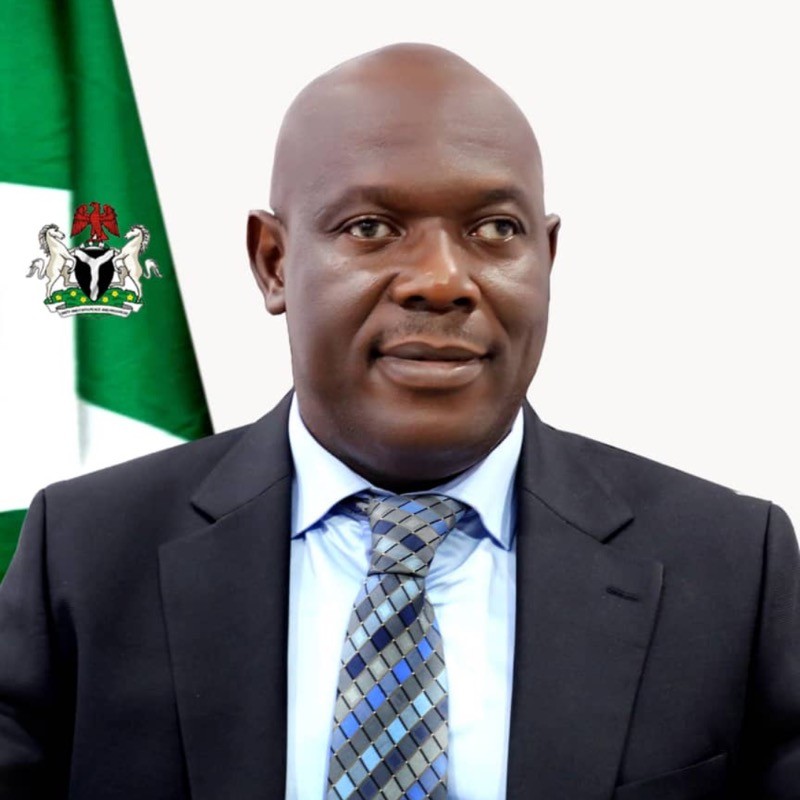
Stakeholders drawn across the four local government areas of Ogoniland in Rivers State, have expressed delight over the excellent performance of the Project Coordinator of the Hydrocarbon Pollution Remediation Project (HYPREP), Prof Nenibarini Zabbey within the past two years, describing him as a true patriot, who has been showing leadership in delivering service to the people.
The stakeholders, who gave the indication in their separate goodwill messages during the mid-term stakeholders engagement and scorecard presentation organised by HYPREP in Port Harcourt, scored the Project Coordinator high on the Ogoni cleanup and the overall implementation of the recommendations of the UNEP Report on Ogoniland.
The President of KAGOTE and Board member of the Ogoni Trust Fund, Hon Emma Deeyah, particularly commended Zabbey for turning around the fortunes of the Ogoni people, as they are now having value for the money earmarked for the cleanup project, describing the Project Coordinator as “one of our best.”
He noted that Zabbey has done well on the saddle, working very hard, being an administrator and leader with listening ears, striving assiduously to meet the yearnings and expectations of the people.
He said the Ogoni cleanup is a journey that has just begun, stressing that he was happy that the Project Coordinator is not on the saddle to amass wealth but to deliver and achieve results, and appealed to the Ogoni people to continue to give him their support.
On his part, member representing Gokana/Khana Federal Constituency in the National Assembly and Chairman of the House of Representatives Committee on Host Communities, Rt Hon Dumnamene Dekor, said HYPREP under the watch of Zabbey is working with renewed vigour, and thanked the Project Coordinator for driving the Ogoni cleanup project with passion.
He noted that the funds dedicated and earmarked for the project are running out, disclosing that he was working on an Executive Bill, to facilitate the work of HYPREP.
While stressing the need for the people to take full responsibility of all the projects sited in their communities, Dekor regretted that some beneficiaries had sold the starter packs presented to them by HYPREP, while the water facility provided in his Bierra community has been vandalised.
The King of Tai Kingdom, King Samuel Nnee, said HYPREP under Zabbey as Project Coordinator has been delivering on its mandate, describing him as a square peg in a square hole, who has given hope to the Ogoni people.
The monarch urged the Ogoni people to give the Project Coordinator the necessary support.
The Paramount Ruler of Barako Community and member of the Governing Council of the University of Port Harcourt, Mene Kadilo Kabari, said Zabbey has always demonstrated that he is a true patriot by carrying along Ogoni people from all strata of the society, describing him as a performing Project Coordinator.
He noted that the bane of HYPREP before now had been the conflict between the Project Coordinator and the Minister of Environment, saying, under Zabbey, Ogoni people can now see what unity of purpose can achieve.
He expressed delight that the water facility which was the first commissioned by HYPREP in his community is functioning optimally following the solar-powered system installed by the Project.
The King of Eleme Kingdom, King(Dr) Philip Osaro Obelle thanked HYPREP’s management team for all that it is doing in Ogoniland, stressing that the Project was built on the graves, bellies and blood of Ogoni sons and daughters who lost their lives during the Ogoni struggle.
He, therefore, advised HYPREP “not to deviate from the expectations of our heroes but to do those things that would benefit Ogoni people for the betterment of Ogoniland.”
Former Nigerian Ambassador to Netherlands, Hon Oji Ngofa said HYPREP has been like the government of Ogoniland, and harped on the sustainability of all the projects.
According to him, Zabbey has been giving HYPREP a human face.
Former Vice Chancellor of the Rivers State University, Prof Barineme Fakae applauded Zabbey for the construction of the Centre of Excellence for Environmental Restoration, and stressed the need for the implementation of the recommendations of its technical committee which recently submitted its report.
According to him, if the project succeeds, Ogoni people are going to succeed.
Chief Priscillia Vikue, on her part, thanked Zabbey for his outstanding performance, saying, the women of Ogoni are very happy with what he is doing in Ogoniland.
While scoring the Project Coordinator highly on his performance, she said the women are happy because Zabbey knows what he is doing with HYPREP.
“You went to school.You did not cut corners.You are a square peg in a square hole.You have engaged women and the youths. We have seen what you have done. And we give you A1”, she said, and challenged Zabbey to see how more women would participate in the project and also how to sustain it.
In his remarks, the Project Coordinator, Prof Nenibarini Zabbey said the mid-term engagement is important because “it allows us to present tangible evidence of progress in the Ogoni cleanup effort, reinforce accountability, deepen transparency, and most importantly, enables HYPREP to interact directly with the communities and stakeholders who are the heartbeat of this project.”
He noted that the scorecard presentation is designed to show what HYPREP has achieved across key thematic areas, what challenges it is currently grappling with, and what the road ahead looks like, saying, “it is a moment for stocktaking and for re-affirming our shared commitment to the success of the Ogoni cleanup project”.
According to him, HYPREP has recorded commendable progress in the implementation of its core mandates in line with UNEP recommendations and the directives in the official gazette establishing HYPREP.
Donatus Ebi




The Hydrocarbon Pollution Remediation Project (HYPREP) has commemorated the 15th anniversary of the release of the United Nations Environment Programme (UNEP) Environmental Assessment Report on Ogoniland, reaffirming its commitment to restoring the environment and improving the livelihoods of affected communities.
In a statement signed by the Project Coordinator, Prof Nenibarini Zabbey, to commemorate the anniversary, HYPREP described the anniversary as a significant milestone in Nigeria’s environmental restoration efforts, noting that the project has made remarkable progress in implementing the recommendations of the landmark UNEP report released on August 4, 2011.
The UNEP report had revealed extensive oil pollution across Ogoniland, severe environmental degradation, and serious public health risks resulting from decades of petroleum operations. It also recommended an initial $1 billion fund to commence the cleanup of the affected communities.
According to HYPREP, the Federal Government formally launched the Ogoni clean-up in 2016, while the Project Coordination Office was established in 2017 to drive the implementation of UNEP’s recommendations.
Zabbey said the current administration has continued to prioritise the project under the Renewed Hope Agenda.
Providing an update on the cleanup, the Project Coordinator disclosed that 30 of the 65 contaminated sites identified by UNEP have been fully remediated, while work is ongoing at several medium- and high-risk locations. It also stated that more than 1.5 million mangrove seedlings have been planted as part of what it described as the world’s largest restoration of oil-degraded mangroves, with over 1,000 hectares of shoreline already rehabilitated.
Zabbey further revealed that 49 Ogoni communities have been connected to potable water schemes through multiple water projects and booster stations aimed at providing safe drinking water across the region.
In the health sector, he said the 100-bed Ogoni Specialist Hospital in Kpite and the 43-bed Cottage Hospital in Buan are nearing completion, adding that several existing health facilities have been upgraded with modern medical equipment, while five ambulances have been donated to improve emergency healthcare services. The Project Coordinator also disclosed that a three-year human health biomonitoring study is being conducted in collaboration with the World Health Organization’s International Agency for Research on Cancer (IARC).
On economic empowerment, Zabbey stated that the Project has created more than 8,000 direct jobs and trained thousands of Ogoni youths and women in various vocational and technical skills, including software development, cybersecurity, aviation, commercial diving, seafaring, mechatronics, and creative arts. The project also reported awarding scholarships to more than 1,000 students, providing grants to small businesses, and supporting persons living with special needs through skills acquisition programmes.
The statement further highlighted ongoing legacy projects, including the Ogoni Power Project and the Centre of Excellence for Environmental Restoration, which it said is about 96 per cent complete. HYPREP also welcomed the recent designation of the Ogoni Wetland as a Ramsar Site of International Importance and pledged to continue promoting biodiversity conservation and sustainable management of the ecosystem.
Marking the anniversary, Zabbey said the progress achieved over the past 15 years demonstrates the collective commitment of government, development partners, stakeholders, and local communities to restoring Ogoniland. He called for renewed collaboration to sustain the cleanup effort, promote environmental sustainability, and support the long-term development of the region. 3
-

 News2 days ago
RSG Targets Nine Million Residents in Mosquito Net Distribution Campaign
-

 Oil & Energy2 days ago
Aiyedatiwa Signs New Electricity Bill
-

 Maritime2 days ago
Marine Minister Commends President Tinubu On NPERA Bill Assent
-

 Oil & Energy2 days ago
NLNG Commissions Research And Innovation Centre In RSU
-

 News2 days ago
KenPoly Holds Eight Convocations, August 29
-

 News2 days ago
RSG Begins Another Phase of Projects Commissioning Today
-

 News2 days ago
RMAFC Completes Revenue Sharing Review, Proposes New Pay
-

 Maritime2 days ago
NAGAFF Petitions IGP Over Alleged Maritime Police Harassment