
News
Military kills 156 terrorists, nabs 146 suspects in one week – DHQ

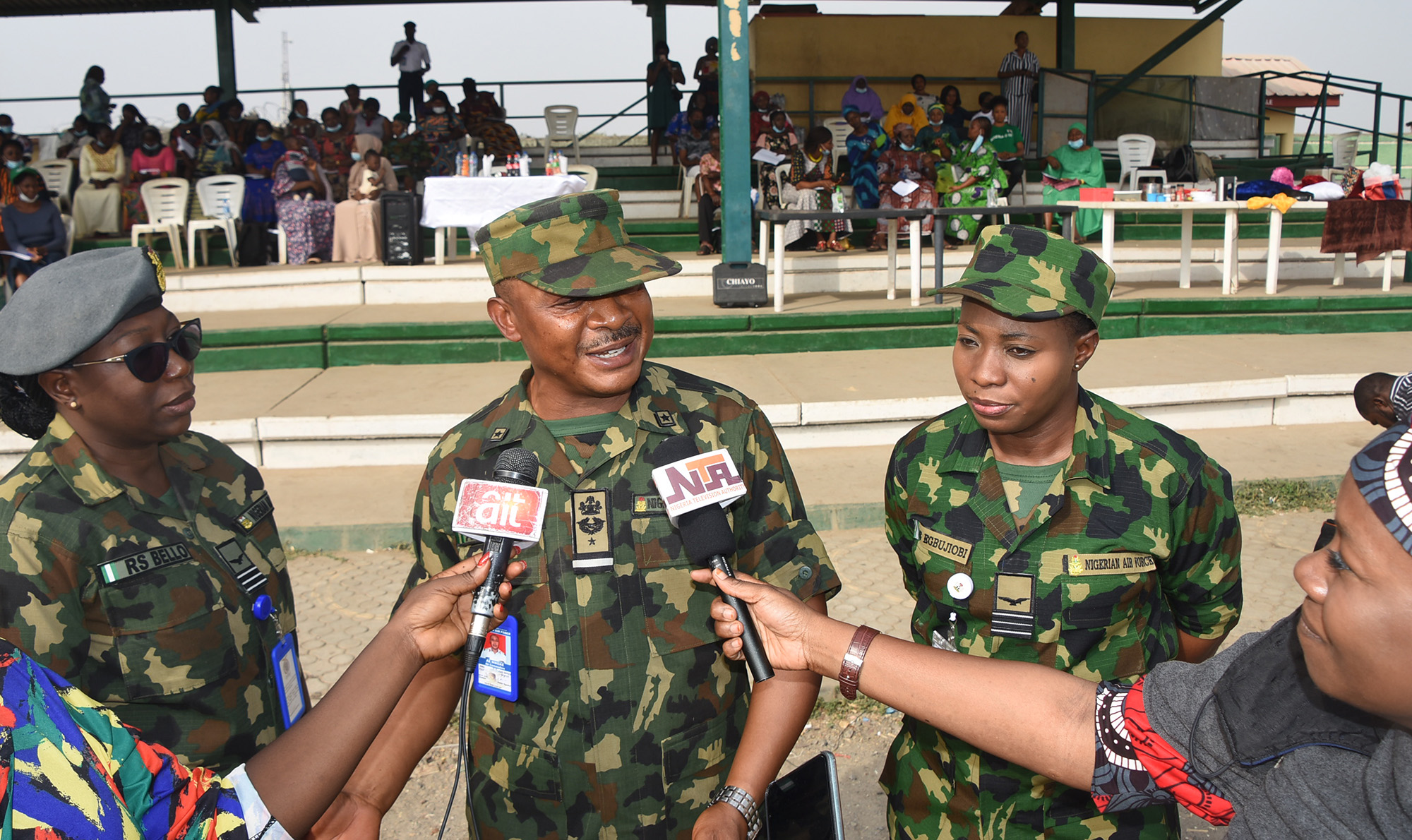
The Defence Headquarters says troops have in the last one week, neutralised 156 terrorists, apprehended 464 suspects and rescued 181 kidnapped hostages in different operations across the country.
The Director, Defence Media Operation, Maj.-Gen. Edward Buba, made this known while briefing newsmen on the operations of the armed forces on Thursday in Abuja.
Buba said the troops also apprehended 29 perpetrators of oil theft and denied the oil thieves an estimated sum of N623.4m within the week.
He said the troops recovered 219 assorted weapons and 2,871 ammunition, comprising one GPMG, 68 AK47 rifles, one AK56 rifle, 12 fabricated rifles, four FN rifles, and four dane guns.
Recovered arms also include seven pump action guns, one foreign double barrel gun, nine fabricated IEDs, 18 FN grenades, six RPG bombs, 27 magazines, four IEDs and making materials.
He added that 1,618 rounds of 7.62mm special ammo, 676 rounds of 7.62mm NATO, 16 rounds of 7.62 x 51mm ammo, 68 rounds of 7.62 x 39mm ammo and 317 rounds of 7.62 x 54mm ammo were also recovered.
According to him, others are 73 rounds of 12.7mm ammo, 175 rounds of PKT ammo, one box of 12.7mm ammo, 25 live cartridges, one baofeng radio, 10 vehicles, 42 motorcycles, 29 mobile phones amongst other items.
In the North East, Buba said the troops of Operation Hadin Kai eliminated 76 terrorists, arrested 72 suspects and rescued eight kidnappers’ hostages during the week.
He said the air component on Jan. 6, conducted air interdiction on BH/ISWAP terrorists at Wulade in Gwoza Local Government Area of Borno, killing several terrorists.
In the North West, Buba said the troops of Operation Fansan Yamma, neutralised 64 terrorists, arrested 69 persons and rescued 62 kidnapped hostages.
He added that the air component killed scores of terrorists within Alawa Forest in Shiroro Local Government Area of Niger as well as Maikaho and Mashigin areas of Kebbi.
In the Niger Delta area, Buba said the troops of Operation Delta Safe, discovered and destroyed 48 crude oil cooking ovens, 10 dugout pits, 56 storage tanks and 46 illegal refining sites.
According to him, troops also recovered 705,294 litres of stolen crude oil, 6,865 litres of illegally refined AGO, 1,500 litres of DPK and 800 litres of PMS during the week.
“Other items recovered include 28 boats, eight pumping machines and six speedboats, three outboard engines, six drums, eight motorcycles, one mobile phone and eight vehicles among others.
“Overall, the military is profoundly conscious of its role and responsibility in ending insurgency and terrorism in the nation.
“Overall, citizens are urged to embrace that security is everybody’s business and not that of the military,’’ he said.




Rivers State Governor, Sir Siminalayi Fubara, has demanded quick and full resolution to the challenges arising from the gas leakage that occurred in Bille, Degema Local Government Area of the State.
The governor has also pledged to upgrade the Primary Healthcare Centre (PHC) in Bille with a view to addressing the health challenges confronting the community.
Fubara made the pledge on Wednesday at the Government House, Port Harcourt during an enlarged meeting of key stakeholders, comprising representatives of the Federal Government, the state government and leaders of the community.
The meeting was held to review the situation in the community and explore available opportunities to save the people from the adverse impacts of environmental pollution.
Addressing the journalists at the end of the meeting, the governor acknowledged the determination of the Federal Government and its agencies to get to the root cause of the problem in Bille and ensure that it is resolved permanently.
“The meeting is in respect of the situation in Bille. You’re aware that there is a case of gas leakage somewhere in Bille and the people have been making some requests that the government should come to their rescue to resolve the situation.
“As a state, we have gone to see the situation in the community, not alone but in conjunction with the industry operators and officials of the Federal Ministry of Petroleum Resources. What we are doing today is an enlarged meeting where all the parties are sitting together to look at the cause of the issue and the most possible way to get the problem resolved,” he said.
Fubara described the outcome of the meeting as successful, stressing that more action would be taken in the next couple of weeks to ensure that the issue is fully resolved.
The Minister of State, Petroleum Resources (Gas), Hon Ekperikpe Ekpo, who led the Federal Government’s delegation to the meeting, expressed appreciation to the governor for his warm hospitality and efforts to address the challenge in Bille community.
Ekpo explained that contrary to the perception in certain quarters, the Federal Government has not been silent over the “gas seepage” but has been working tirelessly towards finding a sustainable solution.
The minister explained that as soon as the incident was reported, the Federal Government deployed experts to the area to understudy the cause of the problem.
According to him, it was difficult at first to understand the cause of the problem since there were no oil or gas infrastructure within the vicinity of the incident, hence the need to conduct a more detailed investigation.
“The investigation is still going but we decided to do a follow-up visit to the area to talk to the people of Bille Community that we need collaboration on their part so that we would be able to arrive at a lasting solution.
“The safety of the people is paramount. We can understand their anxiety, the worry and the danger that this thing poses within the area, but the Federal Government is committed to finding a lasting solution to the problem. The primary responsibility of government is to take care of the welfare and security of the people and that is exactly why we are here to go and see things for ourselves,” he said.
The Chief Executive Officer (CEO), Nigerian Upstream Petroleum Regulatory Commission (NUPRC), Mrs Oritsemeyiwa Eyesan, also explained that as the regulatory agency at the centre of the issue, no effort will be spared in the task of resolving the issue.
Eyesan pledged that the NUPRC and operators in the industry were prepared to address the requests of the impacted people in terms of the provision of potable water and fire trucks to the community.
The Public Relations Officer, Council of Chiefs, Bille Kingdom, Chief Rena Dappa, had during the meeting, presented the challenges facing the community and pleaded for government’s support to save the lives and livelihoods of the people.

President Bola Tinubu has announced the launch of a training programme for 5,000 young Nigerians as meter installers and technicians under the Presidential Metering Initiative.
The President stated that the scheme is aimed at creating jobs, closing the country’s metering gap and improving electricity supply.
The President disclosed this in a statement on his verified X handle yesterday, describing the initiative, tagged “The Power Force,” as part of his administration’s Renewed Hope Agenda to expand employment opportunities for young people.
According to Tinubu, the programme will equip participants with practical technical skills and connect them to employment opportunities in Nigeria’s power sector.
“Through the Presidential Metering Initiative (PMI), which I established to close Nigeria’s metering gap, end estimated billing, protect consumers and strengthen the electricity market, we are opening a new pathway for 5,000 young Nigerians to be trained as meter installers and technicians under The Power Force. This programme is about jobs, skills and dignity,” he said.
Tinubu said the training would be open to eligible Nigerians who have completed their secondary school education, with a dedicated quota reserved for members of the National Youth Service Corps.
He noted that expanding electricity metering was critical to improving service delivery and promoting transparency in the power sector.
“When homes and businesses are properly metered, Nigerians can pay for what they actually use. When electricity distribution companies collect revenues more transparently and fairly, they are better able to reduce losses, maintain infrastructure, expand connections and invest in better service.
“This is how we build a power sector that is fairer to consumers, stronger for investors and better able to deliver reliable electricity to the Nigerian people,” the President said.
Tinubu said he had directed the Presidential Metering Initiative to work with the Federal Ministry of Youth Development, the National Power Training Institute of Nigeria, and other relevant stakeholders to commence the programme within the next 30 days.
He encouraged qualified young Nigerians to apply, saying the initiative would provide them with marketable skills while supporting efforts to eliminate estimated billing and improve electricity access nationwide.
“I encourage eligible young Nigerians to apply. Join The Power Force. Learn a skill. Earn with dignity. Help us end estimated billing and be part of the work to light up Nigeria,” he added.

The Federal Government has announced that the third evacuation flight for Nigerians voluntarily returning from South Africa will arrive Lagos today having departed Johannesburg at midnight yesterday with 271 returnees on board.
The Ministry of Foreign Affairs disclosed this in a statement issued yesterday by its spokesperson, Mr Kimiebi Imomotimi Ebienfa.
According to the ministry, the Air Peace-operated flight is expected to arrive at the Murtala Muhammed International Airport, Lagos, at about 5:30 a.m. on Friday, July 3, 2026.
It said the evacuation is part of the Federal Government’s ongoing efforts to facilitate the voluntary return of Nigerians from South Africa.
“The third evacuation flight operated by Air Peace will depart Johannesburg today by 12 midnight with 271 returnees. The estimated time of arrival in Lagos is 5:30 a.m. on Friday, July 3, 2026,” the statement read.
The latest batch of returnees follows earlier evacuation flights that brought hundreds of Nigerians back to the country under the Federal Government’s voluntary repatriation programme.
-
News4 days ago
Rivers Court Jails Man Seven Years For Defiling Minor …Directs N5 Million Upkeep For Victim
-
News4 days ago
Alleged Coup Plot: DSS Docks Five For Hiding Sylva’s Whereabouts
-
 Politics4 days ago
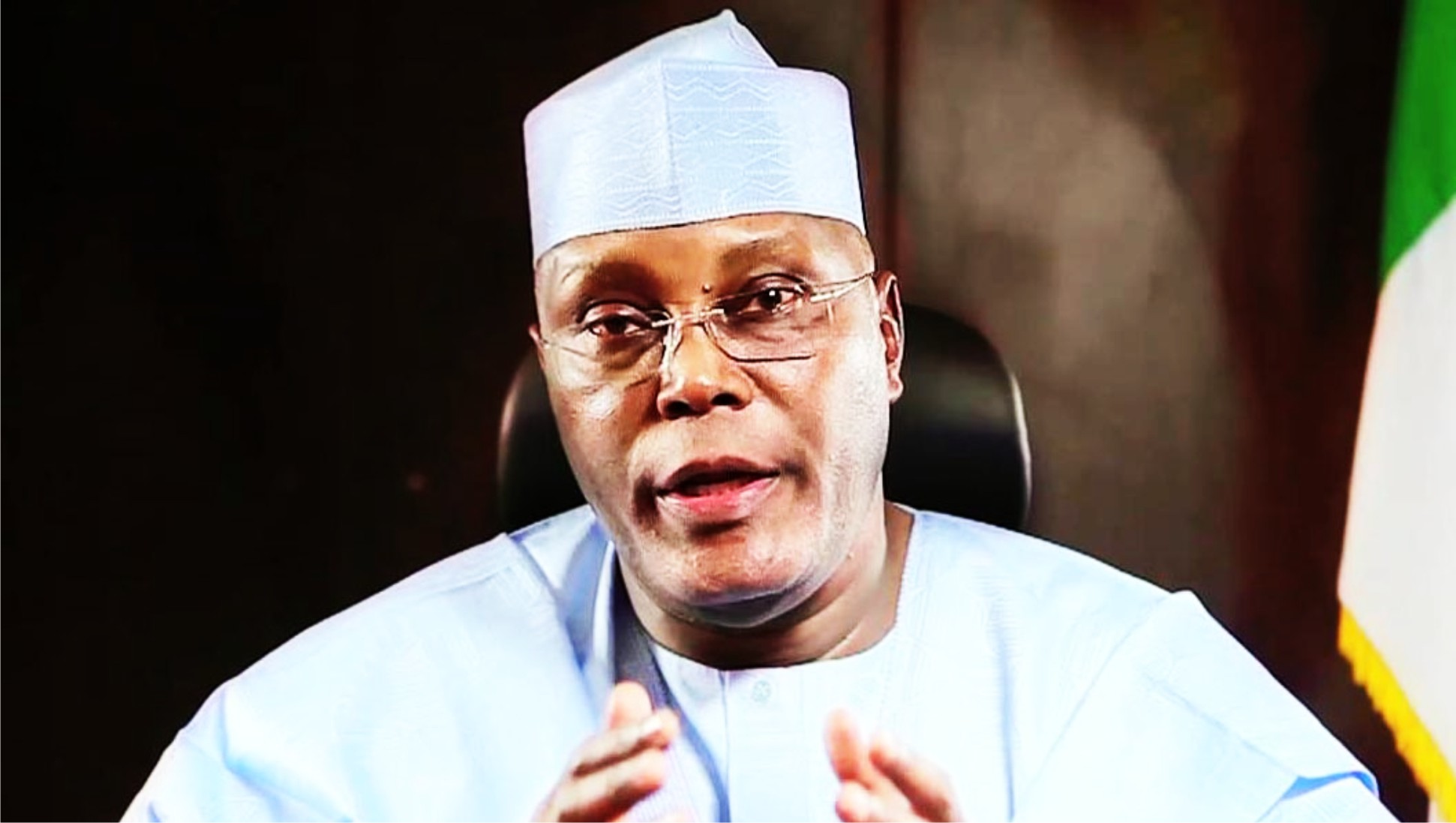
Atiku Names Kenneth Okonkwo As Spokesperson
-
Niger Delta4 days ago
24 Nigerian Universities Make 2026 THE Rankings … 4 S’South Versitieis Pull Through
-
 News4 days ago
FG To Replace NYSC Khaki With Adire
-
News4 days ago
BOI Unveils Maiden Impact Report, Disburses N644.9bn In 2025
-

 News4 days ago
Fubara Seeks Full Resolution Of Bille Gas Leakage …Pledges Upgrade Of Community Health Centre
-
Women4 days ago
NAWOJ Seeks Partnership With Hotel Presidential On Summit