
Oil & Energy
FG, Oil Producers Agree On Crude Supply To Local Refineries


The Federal Govern
ment and Crude Oil Producers in Nigeria have agreed to work toward a sustainable supply of crude oil to local refineries under a market-determined pricing system.
The aim is to ensure that while the operators do business optimally, the refineries are not starved of feedstock.
The agreement, reached at a Virtual Meeting held with the Nigerian Upstream Petroleum Regulatory Commission (NUPRC), and all the international oil companies (IOCs), was on the status review of the Framework for Seamless Operationalisation of Domestic Crude Oil Supply Obligation Template.
The producers, under the umbrella of the Oil Producers Trade Section (OPTS), agreed to concede to a framework that would be mutually beneficial, ensuring that local refineries are not strangulated due to off-the-curve prices.
Speaking with newsmen, Komolafe explained that contrary to a report that the decision was to placate certain interests, it was indeed targeted at ensuring energy security for the country.
“It is the job of the regulator to interface between the producers and the refiners; it is a delicate balance because we do not want one to overrun the other because that will lead to problem.
“If we don’t have product, then there will be energy gap in supplying the industry and this will not be a palatable situation for all, and if we have robust supply, but they shut down the upstream and we can’t get crude production, then there is also a problem. So, we, as regulator, are simply trying to maintain the delicate balance”, he said.




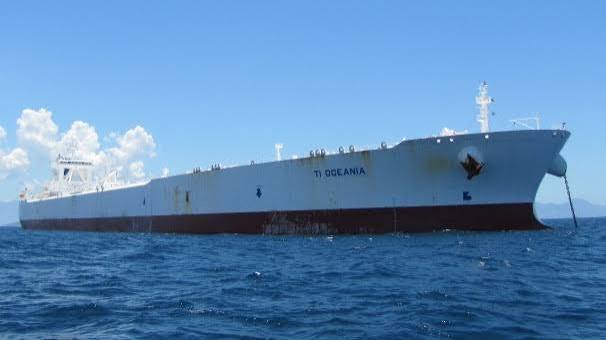
Excluding Oman, their oil exports reached 18.4 million bpd in October, although shipments remained 26 per cent below prewar levels. Crude oil exports alone totaled 15 million bpd, equivalent to 82 per cent of their volume before the conflict.
Despite the prospect of excess supply, the IEA continues to identify two major sources of uncertainty: depleted onshore inventories and the security of maritime transport.
Its latest projections indicate that the recovery in global oil supplies has outpaced its earlier expectations. The market now faces the prospect of a surplus before the end of 2026, although low inventories on land and risks to shipping routes remain unresolved.
-
Business1 day ago
PHICCIMA President Welcomes N60m BOI Micro, SMEs Initiatives
-
Business1 day ago
FG Commences N1.45trn Port Upgrade, Targets 20,000 Jobs
-
Politics2 days ago
Tinubu Hails Atiku For National Dev Efforts
-
Rivers2 days ago
Maritime Security: Expert Advocates Active Marine Surveillance, Coast Guard Agency Establishment …. Wants Presidential Endorsement for his group
-
News1 day ago
IG Suspends Wanted Declaration Against Obaigbena, Eight Others
-
Politics2 days ago
Political Killings: Consider Emergency Rule In Delta, Reps Tell Tinubu
-
Business1 day ago
FAAN Reopens Owerri Airport … Limits Flight Operations To Daytime Services
-
Politics2 days ago
2027: 108 Rivers Groups Jostle To Work With Chinda’s Campaign