
Editorial
Towards Sustainable Food Security

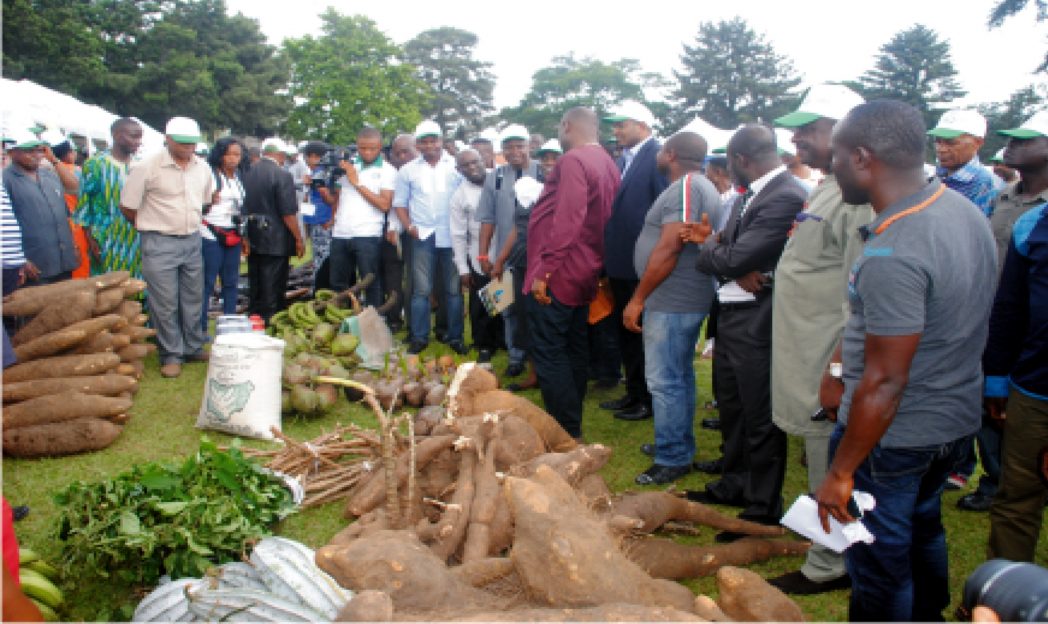
On October 16, 1979, a global movement was initiated by over 150 countries to acknowledge the vital impact food has on human lives. World Food Day was established to raise awareness about food security concerns and foster unity in the battle against hunger. This year’s event took place on Monday, October 16, emphasising the importance of addressing food-related challenges.
Resently, the Federal Government added a new impetus to this clarion call with the recognition of and declaration of Nigerian Farmers’ Day to celebrate the hardwork and sacrifices of farmers across the country to provide much-needed food for every citizen of the country. This ties into the global effort to ensure food security for humanity.
The global challenges of climate change and the conflict in Ukraine have raised concerns about the security of supply chains, which has resulted in higher prices for food commodities. This increase in prices is causing worries, particularly in the Middle East and African nations where people are especially vulnerable to food crises. The situation is creating unease among communities as they face the potential consequences of limited access to affordable and healthy food.
Every year, World Food Day focuses on a different subject, highlighting the importance of various aspects of food production and consumption. In the past, themes such as ‘Family Farming’ in 2014 and ‘Our Actions Are Our Future’ in 2018 had been chosen. For the year 2023, the theme is, “Water Is Life, Water Is Food. Leave No One Behind.” It makes the vital connection between water and food. Without water, there is no food, and there is no food security without water security.
The Director-General of the Food and Agriculture Organisation (FAO), Dr QU Dongyu, rightly emphasised this when he highlighted the importance of prioritising water in policies and planning across various sectors. He outlined five key actions that need to be taken to achieve the Sustainable Development Goals (SDGs). He also called for stronger partnerships between governments, the private sector, academia, civil society, and all stakeholders to work together for a secure water future.
Over the years, Nigeria has been putting efforts aimed at ensuring food security. Part of it was the establishment of the Anchor Borrowers Programme (ABP) by the Central Bank of Nigeria (CBN), in line with its developmental functions as enshrined in Section 31 of the CBN Act 2007. The ABP was established to create economic linkages between smallholder farmers (SHFs) and reputable companies (anchors) involved in the production and processing of key agricultural commodities.
The core aim of the programme is to provide loans (in kind and cash) to smallholder farmers to boost agricultural production, create jobs, and reduce food import bills towards the conservation of foreign reserves. However, stakeholders and farmers alike have argued that despite the huge investment in the programme, Nigeria is yet to boast of food sufficiency, because the majority of the targetted audience of the programme who are farmers have not benefited from it.
Nigeria has ample resources and land for agriculture, allowing it to produce its food. To boost agribusiness, the government should prioritise improving its profitability and attractiveness. Technological advancements are needed to manufacture farm tools and equipment for mechanised farming. Additionally, addressing terrorism is crucial for creating a safe environment that allows farmers to resume operations.
Before crude oil discovery in 1956, Nigeria’s economy relied on agriculture as a primary source of foreign exchange. In recent years, the country has shifted its focus to agriculture as a revenue stream to reduce dependence on oil. During the 2016 recession, the agriculture sector grew by 4.1per cent, while the oil sector shrunk by 13.7per cent. However, Nigeria continues to grapple with food insecurity and meeting domestic demand despite this growth.
Interestingly, as the world observed the World Food Day, the Rivers State Governor, Sir Siminalayi Fubara, decided to revive the Songhai Rivers Initiative Farms, aligning with the United Nation’s goal of achieving Zero Hunger by 2030. This initiative aims to promote sustainable agriculture practices, provide farmer training, and enhance food security in the State. The governor’s investment in these efforts addresses immediate food security concerns and ensures long-term sustainability in the region.
The Songhai Rivers Initiative Farms, established in 1980, has encountered various challenges that have hindered its productivity. Fortunately, the governor has stepped in to tackle these issues and ensure the farms can flourish. Through the governor’s intervention, the necessary infrastructure, equipment, and resources are being provided to support the farms.
Revamping the Songhai Farms marks a momentous stride towards attaining food security in the state. This initiative, through the generation of employment opportunities and enhancement of agricultural productivity, will fortify its economy. Furthermore, it will elevate food security not only for the residents of Rivers State but also for the neighbouring states, propelling the state into a central role within the framework of sustainable food security.
The governor’s dedication to revitalising the farms is truly commendable, as it not only addresses local concerns but also aligns with global initiatives to combat hunger and enhance food security. In line with this, the United Nations has designated 2023 as the International Year of Fruits and Vegetables, emphasising the imperative of healthy diets in achieving sustainable development.
World Food Day 2023 is a critical event that underscores the importance of a sustainable food system capable of providing healthy and nutritious food for everyone. It serves as an opportunity for people to unite and explore strategies to eradicate hunger and enhance nutrition, particularly among vulnerable populations.
Therefore, the resuscitation of the Songhai Rivers Initiative Farms is laudable and appropriate, as it demonstrates the Rivers State Government’s commitment to enhancing food security within the State. This initiative not only aims to improve agricultural practices but also aligns with the United Nations Sustainable Development Goal of Zero Hunger by 2030.



The Independent National Electoral Commission’s (INEC) disclosure of an alleged plot to target its ad hoc personnel ahead of the 2027 general elections demand urgent national attention. The reported arrest of suspects, with intelligence support from the Department of State Services (DSS), is encouraging, but must not breed complacency. Any attack on electoral workers threatens not only human lives but also Nigerians’ constitutional right to choose their leaders through credible elections. The alleged conspiracy must be thoroughly investigated, its sponsors identified and all those found culpable prosecuted.
Particularly troubling is the reported targeting of National Youth Service Corps (NYSC) members, who play a vital role in Nigeria’s electoral process. Many serve far from home and undertake sensitive assignments at polling units and other electoral locations. As civilians, they should not be exposed to intimidation, abduction or violence without adequate protection. If election workers are vulnerable, the safety of other officials, observers and voters cannot be guaranteed.
Nigeria’s electoral history offers painful lessons. Human Rights Watch reported in Nigeria’s Post-Election Violence, published in May 2011, that more than 800 people died in the violence following the 2011 general elections. NYSC members serving as electoral officials were among the victims. This tragedy underscores the deadly consequences of political tension, incitement and disputed outcomes. Nigeria must act on the latest warning before another preventable disaster occurs.
INEC deserves recognition for uncovering the alleged plot, while the DSS and other security agencies merit commendation for their reported assistance. However, arrests are only the beginning. Investigators must establish the suspects’ identities, motives, networks and intended targets, ensuring that evidence is admissible in court. The process must remain impartial and free from political interference. Credible public updates are also necessary, provided they do not compromise investigations or operational security.
The authorities must adopt a comprehensive, intelligence-led security strategy for 2027. INEC’s proposed security conference should produce practical measures developed in collaboration with the Inter-Agency Consultative Committee on Election Security (ICCES), the police, the DSS and other relevant agencies. Threat assessments should guide personnel deployment, secure transportation, emergency communications, evacuation procedures and rapid response. Protection must extend beyond polling day to the distribution of sensitive materials, collation centres and the safe return of ad hoc personnel.
Those who provide intelligence must also be protected from retaliation. Confidential reporting channels and appropriate safeguards should be established for informants and others assisting investigations. Equally, security deployments must not intimidate voters or facilitate political repression. Personnel should act professionally, impartially and proportionately, within the law. Clear mechanisms for reporting misconduct and investigating abuses are essential to maintaining public confidence.
The threat also highlights broader concerns about trust in the electoral system. The European Union Election Observation Mission’s June 2023 final report identified shortcomings in transparency and operational implementation during Nigeria’s 2023 general elections, alongside concerns about the legal framework and electoral dispute resolution. Credible elections require more than security; they depend on transparent procedures, accountable officials and consistent enforcement of electoral laws. INEC must demonstrate measurable progress in addressing previously identified weaknesses.
Voter apathy presents another challenge. INEC’s published figures indicate that approximately 25 million people voted in the 2023 presidential election, out of about 93.5 million registered voters, a turnout of roughly 26.7 per cent. Although insecurity is not the sole cause of low participation, threats against electoral personnel can heighten public anxiety and discourage voters from exercising their franchise. INEC should strengthen civic education, improve polling accessibility and communicate procedures clearly. Political parties, civil society and the media must promote peaceful participation and reject electoral intimidation.
Misinformation and manipulated digital content pose additional risks. False reports, fabricated announcements and deepfake videos can inflame tensions, impersonate officials and mislead voters. INEC should establish a well-resourced, rapid-response communication system supported by verified digital channels and timely public statements. Collaboration with credible media organisations and fact-checkers would help counter falsehoods without suppressing legitimate criticism. Clear, consistent communication is indispensable, as administrative confusion and delayed explanations often allow rumours to spread.
Electoral integrity must also begin within INEC itself. The chairman’s warning against partisanship, negligence, extortion and ethical misconduct deserves serious attention. Security measures cannot compensate for officials who abuse their positions or disregard established procedures. INEC should strengthen staff training, ensure transparent recruitment and deployment, provide secure channels for reporting misconduct and enforce disciplinary rules consistently. Allegations of bribery and political interference must be investigated regardless of rank, while ad hoc personnel should receive adequate briefing, support and prompt payment.
The legal framework also requires clarity and consistent enforcement. INEC should explain the precise provisions and applicability of Section 26 of the Electoral Act 2026, including the obligations of electoral officials and security personnel, and publish authoritative guidance on neutrality and professional conduct. Complaints by opposition parties that they have been prevented from campaigning in certain states must likewise be investigated impartially. Any established violations should attract appropriate corrective action. Electoral fairness requires not only impartial polling officials but also lawful campaigning, access to competing viewpoints and freedom from intimidation.
The alleged plot against INEC’s ad hoc personnel is a warning against complacency ahead of the 2027 general election. Governments, security agencies, INEC, political parties and civil society must work together to prevent violence, punish misconduct and protect citizens’ participation. The commission should communicate its security priorities, maintain accessible threat-reporting channels and provide periodic updates on preparedness. Nigeria’s democracy cannot be safeguarded by assurances alone; it requires demonstrable preparation, impartial law enforcement and an unwavering commitment to free, fair and credible elections.
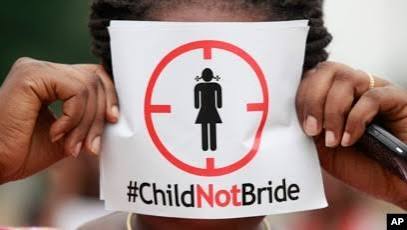
Nigeria joined the world in commemorating the International Day of the Girl-Child on 11 March 2026, an observance dedicated to advancing girls’ rights and amplifying their voices. This year’s theme, “End Child Marriage and Invest in Girls’ Rights,” confronts a deep-rooted injustice and demands an end to sacrificing girls’ futures to prejudice and expediency.
The focus is child marriage, not as an unavoidable misfortune but as a preventable injustice. Though prevalent in many societies, the practice remains particularly troubling in parts of northern Nigeria, where it has become normalised. Reports of girls aged 10 to 13 being married off are disturbing. The controversy surrounding a Nigerian senator and former governor who married a 13-year-old girl further exposed the practice to global scrutiny, yet accountability at home appeared limited. When lawmakers disregard the law, society’s moral compass is compromised.
UNICEF’s statistics reveal the scale of the crisis. Globally, an estimated 650 million women and girls alive today were married before turning 18, while more than 12 million girls enter marriage annually before adulthood. In Nigeria, about 33 per cent of girls marry before 18 and 11 per cent before 15. The prevalence reportedly reaches 63 per cent in Jigawa and Zamfara States and 61 per cent in Sokoto and Katsina. These figures represent millions of childhoods interrupted and futures imperilled.
These statistics explain why the United Nations continues to campaign against child marriage and advocate investment in girls. The consequences are devastating. Girls whose bodies are not fully developed face increased risks of maternal death, obstetric fistula, sexually transmitted infections and psychological trauma. The economic cost is equally significant. A 2017 World Bank and International Centre for Research on Women Study estimated that ending child marriage could generate an additional $7.6 billion in earnings and productivity for Nigeria, as early marriage deprives girls of education, skills, and opportunities to contribute to national development.
Educating a woman benefits the entire society. As a mother, she often becomes her children’s first teacher and a vital influence on their character. An educated mother helps raise enlightened children, just as one candle can light many others without losing its flame. Denying women education undermines families and communities. To expect wisdom while deliberately withholding knowledge is to demand the impossible.
Several reasons are offered for marrying off young girls, including economic hardship, cultural practices and religious beliefs. In some households, daughters are treated as commodities, married early so that their bride price can finance their brothers’ education. While boys enter classrooms, their sisters are sent to matrimonial homes. This discriminatory practice is shortsighted, depriving the nation of half its human potential. A country cannot expect to run effectively after deliberately crippling one side of its capacity.
Beyond these justifications lies the entrenched belief that women ultimately belong in the kitchen, regardless of their education. This outdated notion is demonstrably false. Countries where women lead governments, businesses, research institutions and other sectors show what investment in female talent can achieve. Rwanda’s substantial female parliamentary representation is one example. Confining women to domestic roles limits not only their ambitions but also the nation’s progress.
A girl-child must not surrender her childhood to poverty or prejudice. Some traditions discourage women from attaining educational heights comparable to or greater than those of men, driven by the baseless fear that educated women will disrespect their husbands. Such thinking equates enlightenment with insubordination and empowerment with threat. This patriarchal mindset perpetuates inequality and keeps society trapped in backwardness.
Consequently, some parents consider educating their daughters a waste of resources, likening it to watering another man’s garden. This attitude is deeply misguided. Every girl deserves the opportunity to learn, grow and pursue her dreams. Early marriage mortgages her future, stifles her potential and traps her in circumstances she might otherwise overcome. No society can justify sacrificing a child’s prospects to outdated customs or immediate financial gain.
Ending child marriage must, therefore, go hand in hand with investing in girls’ education, safety and rights. Every girl should have the opportunity to realise her potential. This requires more than annual declarations, billboards, posters and seminars held in air-conditioned halls. Awareness without action is like a cloud without rain: promising, yet incapable of nourishing the ground.
The campaign must move beyond tokenism to practical intervention, particularly at the state level, where the problem is acute. Governments should formulate policies that protect girls and make education accessible. Scholarships, bursaries, conditional cash transfers, school feeding programmes and other incentives can help keep girls in school. When education is affordable and adequately supported, more girls can choose the classroom over the bridal chamber.
Civil society organisations, faith-based groups, and traditional institutions must intensify efforts to challenge child marriage and dismantle harmful beliefs disguised as religious or cultural obligations. Parents must also uphold their responsibility to protect and educate their daughters, despite economic pressures. A society that educates its girls invests in its future; one that marries them off in childhood mortgages that future at an incalculable cost.
-
Rivers2 days ago
NUJ Set To Attend UNIPORT’s 217th Inaugural Lecture
-
 News2 days ago
NJC Suspends Three Judges, Sanctions Eight Others
-
Politics2 days ago
Atiku Kicks-Off 2027 Campaign, Promises To Tackle Nigeria’s Challenges
-

 Featured2 days ago
APC Presidential Campaign Storms PH, ‘Morrow
-
News2 days ago
FG Explains Supply Disruption As Power Generation Drops To 3,659MW
-
Metro3 days ago
Port Harcourt Prepares For 10,000 Runners As International Marathon Returns
-
 News2 days ago
Bille Gas Leak: Coalition Tasks FG On Proactive Measures
-

 News2 days ago
IGP Orders Arrest, Prosecution Of Campaign Billboard Vandals