
Business
Old Naira Notes: Senate Seeks Extension To June

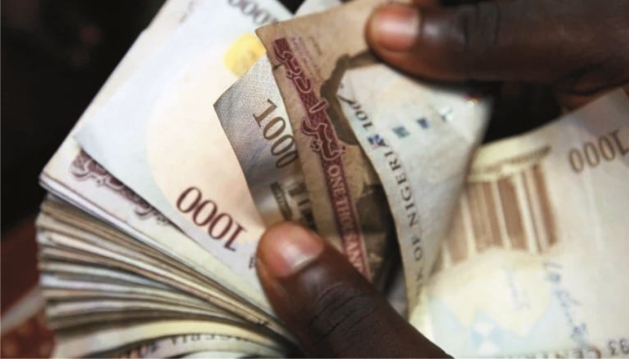
The Senate has urged Central Bank of Nigeria (CBN) to extend the withdrawal of old currency notes from circulation from January 31, to June 30, 2023.
The resolution followed a point of order raised by Sen. Mohammed Ndume (APC-Borno) during plenary on Wednesday.
Recall that the CBN had on October 26, announced plans to redesign the N200, N500, and N1,000 notes, and that the old versions of these notes will be withdrawn on January 31, 2023.
Raising Orders 41 and 51 of Senate Standing Rule, Ndume said the call for extension of the date should be considered as a matter of urgent national importance in order to forestall imminent hardship for Nigerians.
“This senate notes that many Nigerian banks on Thursday, December 15, opened their vaults to customers and depositors to exchange their old currency for the newly redesigned currency which has a stipulated deadline of January 31.
“Some Nigerians are already envisaging long queues in the banking hall across the country as a result of people trying to get access to the new naira note.
“The old notes are expected to be in circulation along the new ones until January 31 when the old ones are expected to be phased out.
“It is expected that many Nigerian businesses will start to reject the old notes as soon as banks start paying redesigned notes to customers”, Ndume said.
The lawmaker also said access to the new notes would be compounded by recent circular by the CBN, which limited the amount of cash withdrawal by corporate entities.
According to him, “The withdrawal of old notes from circulation, if not extended beyond January 31, will make many Nigerians to be thrown into hardship. We need to avoid the repeat of 1984 experience in terms of the withdrawal of old notes.”
Contributing, Sen. Adamu Aliero (PDP-Kebbi) said it was true rural dwellers were not aware of the currency redesign.
“So, this motion is very apt and timely. If we insist on the date given by CBN, it will cause a lot of hardship for our rural dwellers. Majority of our people live in rural areas where there are no banks and PoS. It is appropriate we extend the time as suggested in the motion,”Aliero said.




-

 Education1 day ago
FCE Yola Graduates 3,555 Teachers , Seeks Upgrade to University
-

 Sports1 day ago
Nigerian Trio Target Titles At PFL Africa Finals
-

 Niger Delta1 day ago
Diri Restates Stance On Lagos-Calabar Coastal Highway
-

 Niger Delta1 day ago
C’River, NUJ Pay Tribute To Late Guardian Editor
-

 News1 day ago
NDLEA Recovers Tons Of Illicit Drug Consignments In Nine States
-

 Opinion1 day ago
Checking Voter Apathy In Nigeria’s Electoral Process
-

 Politics1 day ago
2027: DICKSON’S EX-ALLY VOWS TO WORK AGAINST NDC INTEREST IN BAYELSA
-

 Politics1 day ago
2027: GROUP PLEDGES 40,000 SUPPORTERS FOR COALITION CANDIDATES IN RIVERS