
Featured
Nigeria Broke, Finance Minister Admits

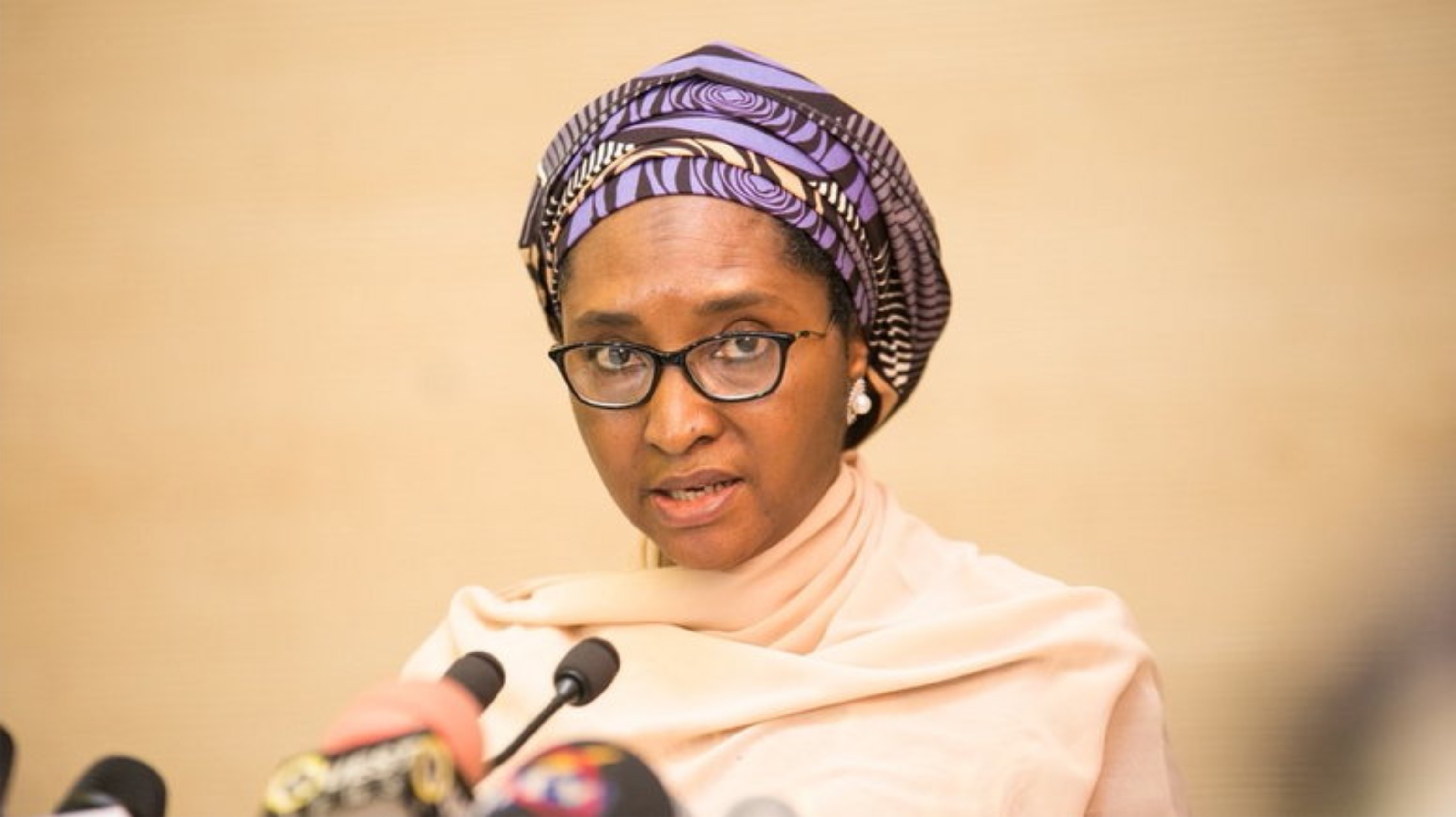
Nigeria’s fiscal position worsened in the first four months of the year as the cost of repaying debt surpassed the government’s revenue in the first quarter of 2022.
According to details of the 2022 Fiscal Performance Report for January through April, total revenue stood at N1.63trillion while debt servicing stood at N1.94trillion, showing a variance of over N300billion.
The Minister of Finance, Budget and National Planning, Zainab Ahmed, yesterday, warned that urgent action was needed to address the nation’s revenue challenge and expenditure efficiency at both the national and sub-national levels.
The report showed that gross oil and gas federation revenue for the first four months of the year was projected at N3.12trillion but as at April 30, only N1.23trillion was realised, representing a mere 39percent performance.
Despite higher oil prices, the report showed that oil revenue underperformed due to significant oil production shortfalls such as shut-ins resulting from pipeline vandalism and crude oil theft as well as high petrol subsidy cost due to higher landing costs of imported products.
However, non-oil taxes trailed targets marginally, with average performance of 92.6percent.
“Revenue performance is expected to improve in the second half of 2022 as a result of concerted efforts to address the oil theft and pipeline vandalism, the report said. It added that there is also seasonality to some of the non-oil taxes, which means that the nation expects to collect significantly more in the second half of the year.
“The improved revenue collection should also moderate the Debt Service to Revenue Ratio, which is currently above our target level,” the report said.
The expectation of improved revenue collection should also moderate the debt service to revenue ratio, which is currently above the nation’s target level.
In the first quarter of 2020, Nigeria’s debt service as a percentage of revenue rose to 99percent, according to the Medium-Term Expenditure Framework and Fiscal Strategy (MTEF/FSP) report released by the Federal Ministry of Finance, Budget, and National Planning.
The data showed that in Q1 2020, Nigeria incurred a total sum of N943.12billion in debt service while the Nigerian government retained revenue at N950.56billion.
In effect, Nigeria’s debt service to revenue was estimated to be 99percent during the period.
Yesterday, the new report showed that the Nigerian government’s share of oil revenues in Q1 2022 was N285.38billion (representing 39percent performance), while non-oil tax revenues totalled N632.56billion, representing 84percent.
In essence, the government generated N401.8billion from company income tax (CIT) and value-added tax (VAT) as CIT and VAT collections were N298.83billion and N102.97billion, respectively, representing 99percent and 98percent of their respective targets.
Customs collections (made up of import duties, excise and fees, as well as federation account special levies) trailed target by N76.77billion (25.42percent) while the other revenues amounted to N664.64billion, of which independent revenue was N394.09billion.
The report noted that for Nigeria, “fiscal risks are somewhat elevated”, following weaker-than-expected domestic economic performance and structural issues in the domestic economy.
It warned that revenue generation remains the major fiscal constraint of the nation and the systemic resource mobilisation problem has been compounded by recent economic recessions.
The underlying factors also include the Russia and Ukraine war, which the report said has assumed a new and worrisome dimension with severe implications on food and energy prices.
It listed the resurgence of COVID-19 in some major economies, which has led to slowdown in economic activities in those countries; as well as renewed elevated inflation in most economies, prompting monetary tightening in these economies with the inherent negative impact on capital inflow to emerging markets economies.
Also identified as a contributing factor is the challenging domestic macroeconomic and business environment and the negative impact of insecurity on the domestic economy.
“Efforts will, however, focus on improving tax administration and collection efficiency,” the report said.
“Crude oil production challenges and PMS subsidy deductions by NNPC constitute significant threat to the achievement of our revenue growth targets, as seen in the 2022 Performance up to April.
“Bold, decisive and urgent action is urgently required to address revenue underperformance and expenditure efficiency at national and sub-national levels.”





The Rivers State Government says it has commenced the necessary processes for implementing the new wage structure for members of the Academic Staff Union of Polytechnics (ASUP), urging the union to suspend its ongoing industrial action and return to the classrooms.
The government gave the assurance during a meeting with the leadership of ASUP in Rivers State, led by the Secretary to the State Government (SSG), Dr Dagogo Wokoma, alongside the Commissioner for Education, Dr Peter Nwagor, and the Permanent Secretary of the Ministry of Education, Dr Mina Ikuru.
The meeting focused on issues surrounding the ongoing strike and the implementation of the new wage structure for academic staff in the state’s polytechnics.
At the meeting, the government reaffirmed its commitment to addressing the concerns raised by the union, disclosing that the necessary administrative and financial processes for implementing the new wage structure were already underway.
While acknowledging the grievances of the union, the government appealed to its leadership to reconsider its position and call off the strike in the interest of students, parents and the overall development of the state’s education sector.
It stressed that sustained engagement and constructive dialogue remained the most effective means of resolving outstanding issues, assuring ASUP that the government was committed to fulfilling its obligations and maintaining a harmonious working relationship with academic staff.
The SSG urged members of the union to resume academic activities while discussions and implementation processes continued to prevent further disruption to the academic calendar.
“The Rivers State Government urges ASUP members to return to the classrooms while discussions and necessary implementation processes continue, to prevent further disruption to the academic calendar,” Wokoma said.
He reaffirmed Governor Siminalayi Fubara’s commitment to workers’ welfare and the provision of a conducive environment for quality education across the state.
“Governor Siminalayi Fubara remains committed to the welfare of workers and the provision of a conducive environment for quality education across the state,” he added.
The ASUP delegation included Bariakwaadro Bere, Chairman of ASUP, Kenule Beeson Saro-Wiwa Polytechnic Bori Chapter; Destiny Obinna, Chairman of ASUP, Rivers State College of Health Science and Management; and Ezekiel Tamu-nodiepriye, Chairman of ASUP, Captain Elechi Amadi Polytechnic, Port Harcourt.
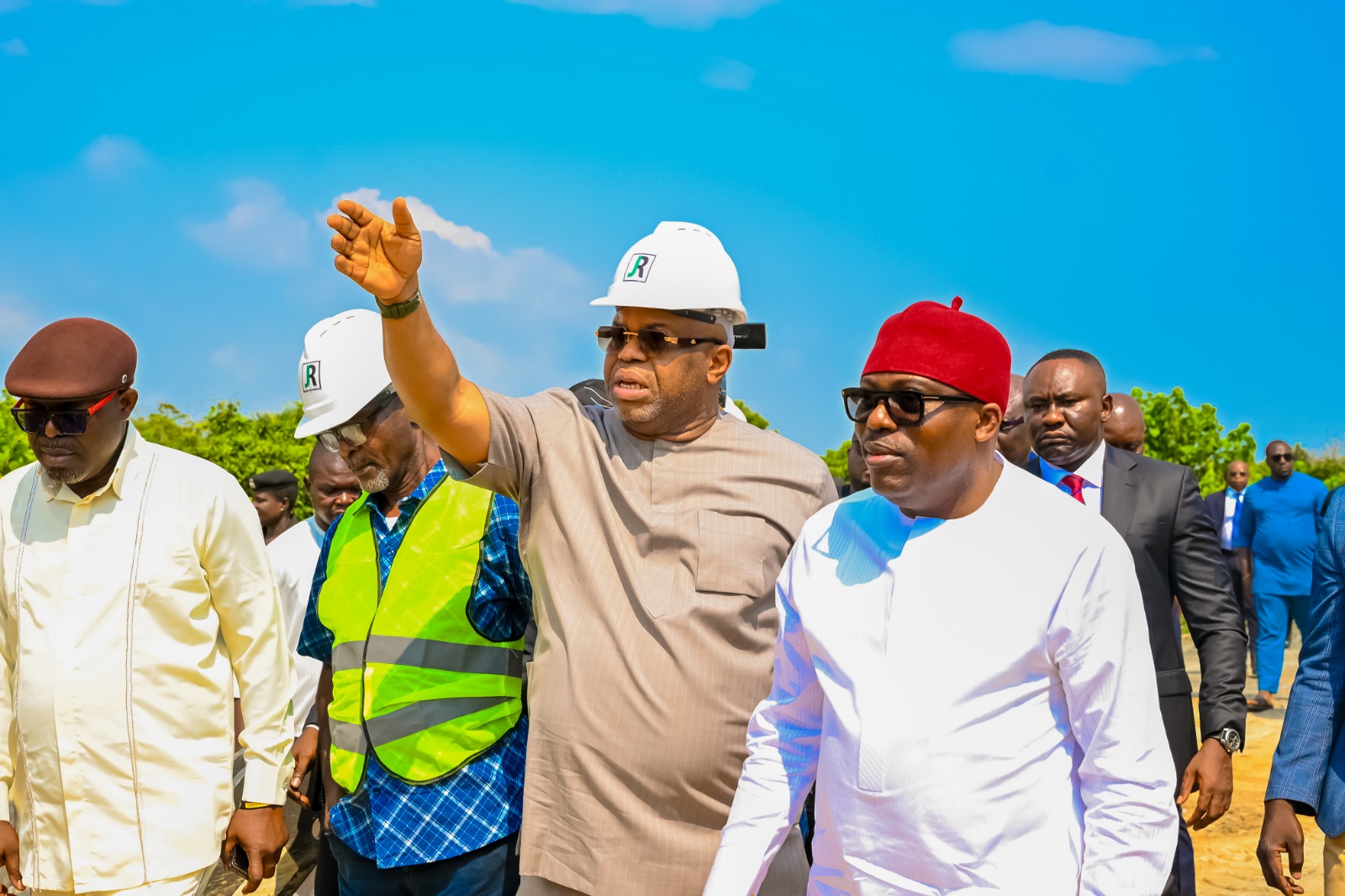
Governor of Rivers State, Sir Siminalayi Fubara, has expressed satisfaction with the level of work ongoing at the Ngo-Atlantic Oyorokoto Beach Road, beckoning on prospective investors to take advantage of the tourism potential in the project, located in Andoni Local Government Area of the state.
Governor Fubara, who inspected the project yesterday, assured that the access road to the beach will be asphalted before December and ahead of the next Tourists Beach Party.
Addressing journalists at the end of the inspection, Governor Fubara said he was on ground to see for himself the extent of work done, recalling that his administration had created the official road to the beach before the State of Emergency, after which the project witnessed some delays.
He said that since the end of the emergency rule the State Government has been meeting its own obligations to the contractors to ensure it fulfilled its promise to the people to transform the area into a tourist centre.
“We’ve been following up and meeting our own side of the obligation to ensure that one of the promises that we made to our people that day — that we want to make this place a tourist centre — comes to reality. And that is one of the main reasons we came here to see what is happening and the extent of the job that has been done,” he said.
According to Governor Fubara, the inspection tour was an opportunity to assess first-hand the progress made so far on the project.
On the beach side, the Governor said the work done was largely satisfactory, with only the asphalting of the road remaining. He gave assurance that it would be completed before December or before the next Tourists Beach Party.
He also disclosed that the other side of the road leading to the fishing ports had been inspected, with only a little culvert of about a hundred metres to the fishing centre left to be completed.
Governor Fubara said his assessment showed that the extent of work done was far better than what was previously on ground, urging investors to have no fear investing in Rivers State.

Chinese President, Xi Jinping, U.S. President, Donald Trump, and Russian President, Vladimir Putin, have made a historic commitment to strengthen global peace, reduce nuclear risks and promote strategic stability.
The world leaders made the commitment following their first-ever trilateral summit held in Shenzhen, China, yesterday.
The landmark meeting culminated in the adoption of a joint declaration, signalling renewed diplomatic engagement among three major global powers and permanent members of the United Nations Security Council.
The declaration outlined commitments to international security, United Nations reform, energy stability and dialogue on nuclear risk reduction.
Addressing the summit, Xi described the gathering as a groundbreaking diplomatic development, stressing that positive interaction among major powers was indispensable to international peace.
He recalled ?????????the historical cooperation among China, Russia and the United States during World War II, when they fought together against fascism.
“More than 80 years ago, China, Russia and the United States, the key anti-fascist forces in the world, fought shoulder to shoulder and achieved great victories, winning peace and tranquility for the world.
“History is the best textbook; we must remember history, and learn from it to shape the future,” the Chinese President said.
Xi warned that major-power rivalry could destabilise the international system, arguing that cooperation, rather than confrontation, was essential to humanity’s shared future.
He proposed four principles for managing relations among major powers: mutual respect, peaceful coexistence, win-win cooperation, and dialogue and consultation.
On mutual respect, Xi urged the three countries to respect sovereignty, territorial integrity, political systems, development choices and legitimate national interests.
He also called for greater sensitivity over contentious issues, warning against interference in domestic affairs and actions that challenge other countries’ red lines.
On peaceful coexistence, Xi maintained that the so-called Thucydides Trap was not inevitable, urging the three powers to reject confrontation and preserve international stability.
He particularly emphasised nuclear disarmament, declaring that nuclear war could never be won and must never be fought.
The joint declaration subsequently reaffirmed this principle, committing the three countries to dialogue on reducing nuclear risks and preventing nuclear proliferation.
The leaders also agreed to pursue reforms of the United Nations to strengthen its capacity to respond effectively to global challenges and advance international peace and security.
On economic cooperation, Xi advocated abandoning Cold War thinking, strengthening trade and combining the three countries’ respective advantages in resources, manufacturing and consumption.
He identified energy security as another important area for cooperation, proposing stronger coordination to maintain stable energy supplies and uninterrupted global industrial and supply chains.
The joint declaration reflected this priority, with the three countries planning to increase refined petroleum production and supply while reaffirming the importance of stable energy flows.
Another significant outcome was their common position on the authority and jurisdiction of international institutions, particularly the International Criminal Court.
The declaration stressed state consent and immunity for government officials, cautioning that the ICC and similar institutions must not abuse their jurisdiction.
On dialogue, Xi urged regular high-level engagements, open communication channels and crisis-prevention mechanisms to minimise misunderstandings and prevent disagreements from escalating.
He also called on the three countries to encourage parties involved in international conflicts to pursue negotiations and resolve disputes through political and diplomatic channels.
However, the declaration did not announce a specific agreement on ending the Russia-Ukraine war or the Iran conflict, despite their prominence in international security discussions.
Putin described the trilateral format as useful and substantive, while Xi characterised the discussions as positive, constructive and fruitful.
Trump also welcomed the opportunity, expressing optimism that cooperation among the three powers could help reduce nuclear weapons and prevent their use.
Although the summit produced no sweeping breakthrough on outstanding geopolitical disputes, its significance lies in establishing an unprecedented platform for direct engagement among three influential powers.
For the international community, the challenge now is translating the Shenzhen commitments into sustained diplomatic cooperation, practical nuclear-risk reduction and tangible progress towards global peace.
That although the historic summit offers an important diplomatic opening, its ultimate legacy will depend on Washington, Moscow and Beijing’s willingness to turn their declarations into action.
-
News4 days ago
Parents Protest Scholarship Scheme Suspension At PAMO Varsity
-
 News4 days ago
US Hails Nigerian Military For Rescuing 125 Kidnap Victims
-
News23 hours ago
Bayelsa Boat Mishap: Tinubu Donates N250m As Death Toll Hits 29
-
News22 hours ago
Odu Pays Tribute To Late Chinwah, Describes Him As Courageous, Selfless Academic
-
Business4 days ago
Reps Raise Alarm Over N2trn Agricultural Loan Diversion
-
 Featured4 days ago
Presidents Xi, Trump, Putin Commit To Global Stability, Denuclearisation
-
Politics4 days ago
ADC Faults INEC’s Alleged Limited Capacity To Upload Election Result On IREV
-
Politics4 days ago
Tinubu Expands 2027 Campaign Tour To 19 States