
Business
Sugar Master Plan: We’ve Created 15,000 Jobs – FG

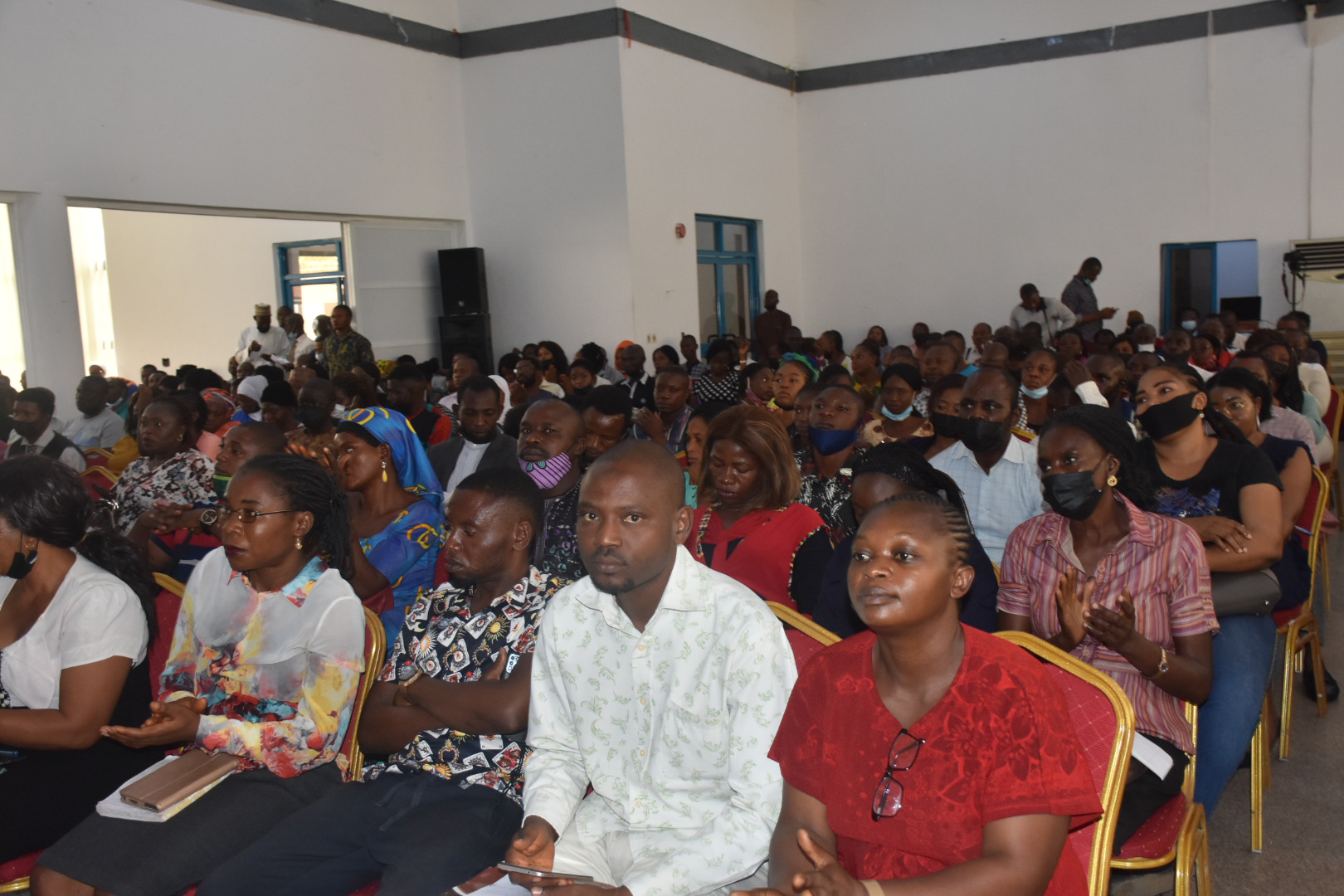
The Federal Government says it has so far generated over 15,000 jobs through its National Sugar Master Plan programme, stressing the country will soon achieve self-sufficiency in sugar production.
Minister of Industry, Trade and Investment, Mr Niyi Adebayo, revealed this in Abuja on Thursday, at the weekly ministerial briefing organised by the Presidential Communications Team.
According to the minister, currently the nation produces just five per cent of its sugar needs but the government is making frantic efforts to become self-sufficient in making the product available to Nigerians.
He added that although returns on investment in sugar production were slow, government would continue to focus on investing in the sector.
“We’re looking at Nigeria being self-sufficient in sugar production in 10 years.
“We’re hoping and we believe with the programs that we have in place that within the next 10 years, we will be 100% self-sufficient in sugar, and not only that, we’ll be able to export sugar produced in Nigeria.
“Certainly, with regard to employment, at the moment, the National Sugar Plan has created employment for 15,000 people,’’ he said.
On the effects of the ongoing Russia-Ukraine crisis on Nigeria’s economy, the Minister said his ministry would soon advise the president on what to do.
“Well, I can assure you that my ministry is looking at all the issues involved.
“And since the war has come up, the trade department in my ministry is looking at all the things that we import, and what we export to them with a view to come up with a policy paper, which we will be presenting to the President.
“Like I mentioned earlier, we have mandated our trade department to do an analysis, to look at all the issues involved, and to come up with a report.
“And once that report is ready, it will be presented to Mr. President, after the presentation I shall come here and brief you about it,” he said.
According to the minister, there are many requests from investors around the world, who want to do business with Nigeria in sugar production
“We get interest every day, we analyse these interests, and we give support to anybody who is interested in participating in the backward integration programme of sugar production.
“We are not giving out loans to the people we’re dealing with. We are dealing with recognized major conglomerates within the private sector, who are investing their own funds in the backward integration programme.
“All we are doing is we are providing intervention where possible, assisting them with infrastructure, and that is all.
“We’re not giving out any loans with regards to the sugar backward integration programme,” he added.
Adebayo, who also spoke on ports decongestion in Nigeria, noted that new ports will soon come on board, in order to ease the pressure on Apapa and Tincan ports.
He also explained why the Calabar and Warri ports are not currently being used.
Adebayo disclosed that the Calabar port had a legal challenge involving a subcontract for the dredging of the port.
He said: “On the development of ports, I pointed out earlier that yes, apart from Apapa and Tincan; we have a new port of Lekki coming up. I know that there are plans for a new port to come up in Badagry.
“At the last Presidential Enabling Business Environment Council (PEBEC) meeting, we also looked at the possibility of utilization of Warri port, but there are certain issues and problems with it at the moment that has been looked into.
“I believe the breakwater has collapsed, so the government is looking at how that can be repaired and to see how dredging can be done so that bigger vessels can use that port.
“Calabar port is a problem; apparently there is a court case on that one at the moment with regards to a subcontract for the dredging of that as well.
“As we all know, Port Harcourt and Onne are operating, and the government is looking at improving the road network to that port so that it can ease the congestion of Lagos.” (NAN)



Business
Jonathan, Diri, Others Laud Firm’s Milestone in Bayelsa …Says Project Will Drive Industrialisation, Create Jobs



-

 News2 days ago
RSG Targets Nine Million Residents in Mosquito Net Distribution Campaign
-

 Oil & Energy2 days ago
Aiyedatiwa Signs New Electricity Bill
-

 Oil & Energy2 days ago
NLNG Commissions Research And Innovation Centre In RSU
-

 Maritime2 days ago
Marine Minister Commends President Tinubu On NPERA Bill Assent
-

 News2 days ago
KenPoly Holds Eight Convocations, August 29
-

 News2 days ago
RSG Begins Another Phase of Projects Commissioning Today
-

 News2 days ago
RMAFC Completes Revenue Sharing Review, Proposes New Pay
-

 Maritime2 days ago
NAGAFF Petitions IGP Over Alleged Maritime Police Harassment