
Business
Ijaw Communities Urge Akpabio To Account For N800bn NDDC Fund

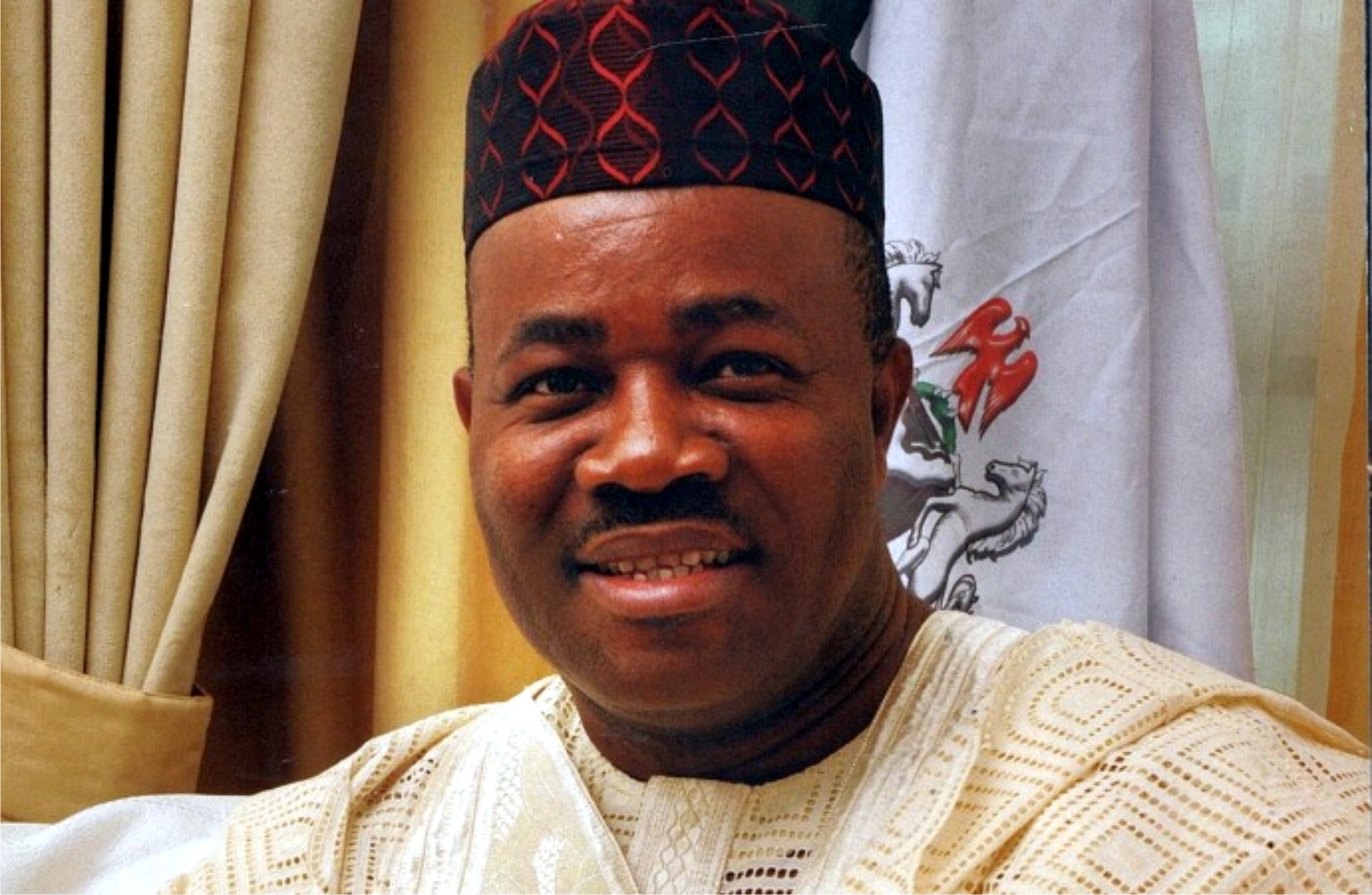
Ijaw communities under the auspices of the Movement for the Survival of Izon Ethnic Nationality in Niger Delta (MOSIEND) have urged the Minister of Niger Delta Affairs, Senator. Godswill Akpabio to account for the N800 billion that accrued to the Niger Delta Development Commission (NDDC), between 2020 and 2021.
MOSIEND, in a communiqué after its national executive meeting in Port Harcourt, Rivers State, lamented that there was nothing on ground in the Niger Delta to show that such money was received by the NDDC.
The comniqué, signed by MOSIEND’s spokesman, Charles Omusuku, accused Akpabio of manipulating the Presidency to have his ways in the region and the NDDC.
“It is on record that NDDC has received well over N799billion between 2020 and 2021 and nothing tangible can be seen in the region in the name of development,” the document said
The group said the Federal Government should take responsibility for the increasing oil bunkering in the region because it reneged on its promise to liberalise the award of modular refineries, to encourage local participation and youth employment.
MOSIEND said: “In February 2017 during the Niger Delta Avengers attack on oil and gas facilities in the region, Vice-President Yemi Osinbajo, then acting President, promised that the Federal Government had resolved to liberalise the award of modular refineries to curtail illegal bunkering activities.
“That promise made many of our people, who were financially buoyant, to venture into the business, to enjoy waivers, as the thinking was that most of the perpetrators would be granted amnesty and considered for allotment. Unfortunately, the government awarded the modular refineries to themselves and their cronies”, it stated.
The group challenged the Federal Government to make public the list of those it awarded modular refineries since 2017.
It urged President Muhammadu Buhari to review the process of awarding the Nigerian National Petroleum Organisation (NNPC) surveillance security contracts and modular refineries, to restore hope in youths in the region.
MOSIEND hailed the NNPC for the rehabilitation of refineries, saying it would facilitate the full deregulation of the downstream sector.



Business
Jonathan, Diri, Others Laud Firm’s Milestone in Bayelsa …Says Project Will Drive Industrialisation, Create Jobs



-

 News4 days ago
RSG Targets Nine Million Residents in Mosquito Net Distribution Campaign
-

 Oil & Energy3 days ago
Aiyedatiwa Signs New Electricity Bill
-

 Maritime3 days ago
Marine Minister Commends President Tinubu On NPERA Bill Assent
-

 Oil & Energy3 days ago
NLNG Commissions Research And Innovation Centre In RSU
-

 News4 days ago
KenPoly Holds Eight Convocations, August 29
-

 News4 days ago
RSG Begins Another Phase of Projects Commissioning Today
-

 News4 days ago
RMAFC Completes Revenue Sharing Review, Proposes New Pay
-

 Maritime3 days ago
NAGAFF Petitions IGP Over Alleged Maritime Police Harassment