
Niger Delta
Petroleum Marketers Vow To Curb Sharp Practices

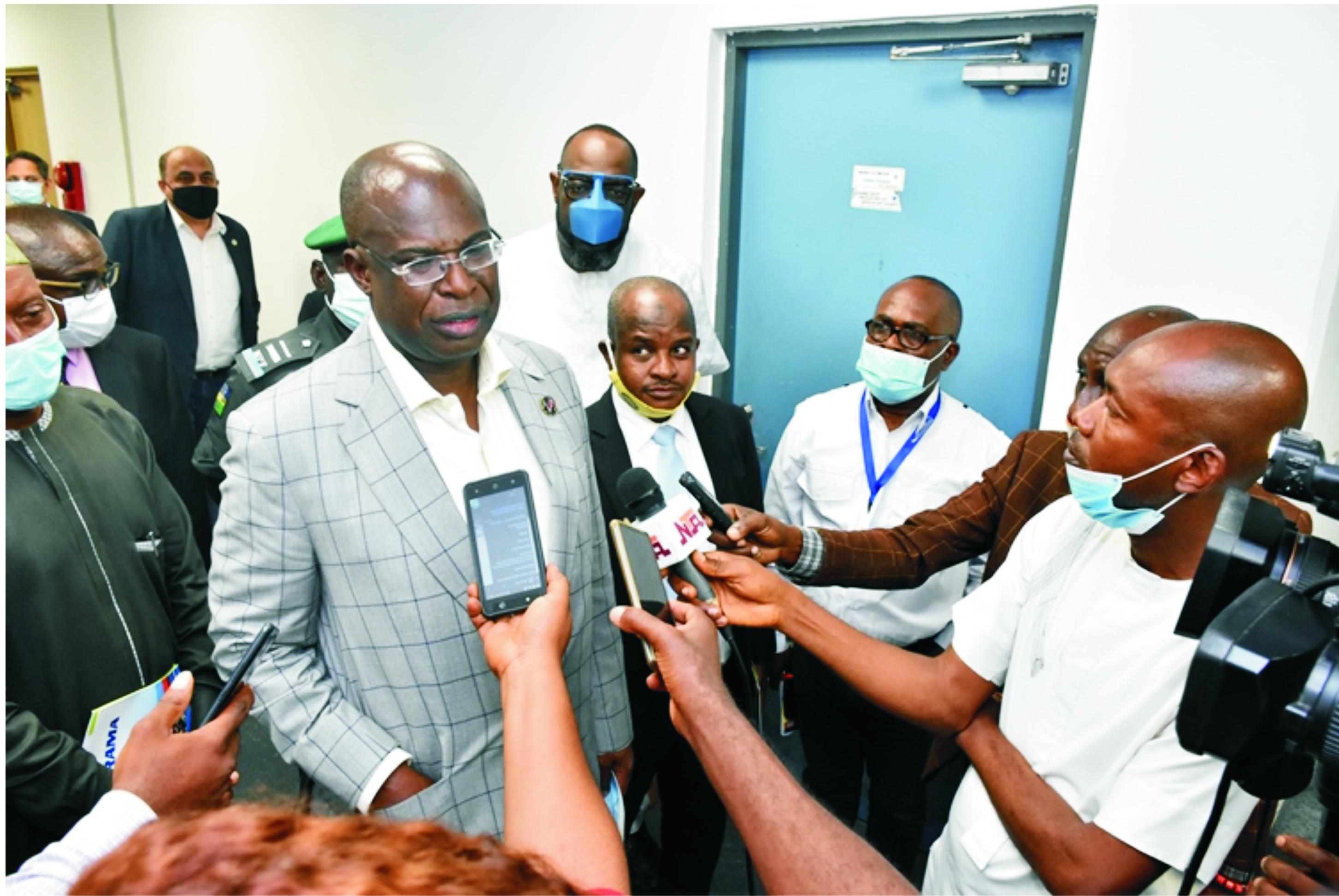
The Petroleum Products Retail Outlets Owners Association of Nigeria, (PETROAN), has inaugurated its Bayelsa State chapter, with a vow to curb sharp practices, make quality products available to users, effectively collaboratfe with authorities and ensure sales of products according to approved pump price.
The National President of PETROAN, Dr. Billy Harry while speaking during the inauguration ceremony in Yenagoa, the Bayelsa State capital described petroleum retail outlets owners as the most critical input in the stability of the economy.
According to him, PETROAN is not established as a rival to other sister associations but to serve as a unifying factor,working together in making sure that there is quality petroleum products to Nigerans, saying that integrity and service above personal interest should be the watchword.
He noted that with the inauguration of the Bayelsa State chapter, the economy of the state would begin to experience a boom as members would expand on their existing businesses, assuring that the association has concluded plans to partner credible institutions to provide funds and the availability of quality petroleum products to consumers.
Harry urged members to take advantage of the pronouncement by the Minister of State Petroleum of making gas the mainstay of the economy and the federal government deregulation policy by investing and making sure gas is available in retail outlets, stressing that PETROAN is at the mainstream of reinventing, redirecting and re-energizing the economy through the retail outlets.
The National President while commending the state executive for the inauguration, hailed the choice of Taremi Dukumor as chairman whom he described as a humble and hardworking man.
He called on members to give the chairman total support and expressed confidence that the entire executive would serve diligently and honourably.
Also speaking, the Zonal Chairman of PETROAN, Prince Sunny Nkpe said that the inauguration of Bayelsa chapter was the fourth in the series and signalled a new partnership and collaboration with NNPC, DPR, Weight and Measures as well as security agencies.
Prince Nkpe noted its objectives included, protection of members within the armbit of the law, availability of high quality petroleum products at reasonable price, create a viable quality control arm in synergy and laiasing with DPR to ensure that quality source is secured and ensure that difference that may arise in line of business are nipped in the bud.
Earlier in his welcome remarks, the state Chairman of PETROAN, Taremi Dukumor stated that the formal inauguration of PETROAN in Bayelsa would herald a roboust synergy with critical stakeholders and agencies of government, maintaining that the delivery of quality and affordable petroleum products will continue to be a top priority.
By: Ariwera Ibibo-Howells, Yenagoa



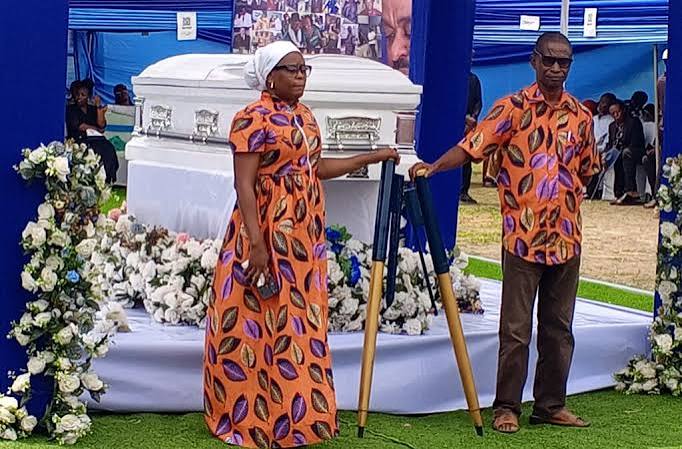
The remains of Aniete Akpan, former South-South Deputy Bureau Chief of The Guardian Newspapers, were laid to rest in Ekpeneobo, Akwa Ibom State on Friday.
Akpan, who died on August 2 at the age of 63, was buried after a funeral and thanksgiving service attended by journalists, family members, friends and community leaders.
The Tide’s source reports that the service was held at the community playground in Ekpeneobo, Esit Eket Local Government Area.
The State Governor, Bassey Otu, described the deceased as a thoroughbred professional whose contributions to journalism and the state would remain indelible.
Otu, represented by his Special Adviser on Public Affairs, Mr. Nsa Gill, spoke at the funeral, highlighting Akpan’s years of professional service in Cross River.
He said the journalist, an indigene of Akwa Ibom, had lived and worked in Cross River for years, making Calabar his second home.
The Governor’ commended Akpan for upholding journalistic ethics and maintaining balance, objectivity and fairness when sensationalism was becoming increasingly common.
“His reports gave voice to the Niger Delta, projected our developmental challenges and celebrated our people.
“Cross River has lost a friend, a bridge between the state and the media, and a patriotic citizen who used his pen to promote good governance”, he said.
Otu urged the bereaved family to alists. draw comfort from Akpan’s enduring legacy, which he said would continue to inspire younger journalists.
He also prayed for strength for the family to bear the loss.
Similarly, the President of the Nigerian Union of Journalists (NUJ), Mr Alhassan Abdullahi, described Akpan’s death as a painful loss to the journalism profession.
Abdullahi, represented by the Chairman of the NUJ Cross River Council, Mr. Archibong Bassey, said the deceased was a dedicated professional committed to information dissemination.
He said Akpan’s dedication to keeping the public informed remained an important part of his professional legacy.
In his sermon, Pastor Tunde Olaghende of Living Faith e positive legacies.
Church, Akwa Ibom State, urged Christians to live meaningful lives and leave positive legacies.
Olaghende encouraged people to be remembered for their good deeds, stressing the importance of making meaningful contributions to society while alive.
A former Independent National Electoral Commission (INEC) Commissioner, Mr. Aniedi Ikoiwak, also described Akpan as a balanced reporter whose objectivity earned him widespread respect.
Some of Akpan’s former secondary school classmates recalled their lifelong friendship with him, praising his humility and professionalism.
Akpan retired from The Guardian Newspapers before establishing his own media platform. He was based in Calabar until his death.

The Isoko North Security Council in Delta State has imposed a curfew from 7:00pm to 6:00am in Ozoro, headquarters of Isoko North Local Government Area, following cult-related clashes in the town and its environs.
The council chairman, Hon. Elder Prince Godwin Ogorugba, announced the curfew in a statement issued on Friday after a security council meeting.
The development follows recent violent clashes between rival cult groups in the area, which have resulted in renewed security concerns.
Ogorugba said the decision was necessary to restore peace and order, protect lives and property, and enable security agencies to conduct thorough operations to bring the situation under control.
According to the statement, all motorists, commercial motorcycle operators, popularly known as Okada riders, and residents of Ozoro and its environs are directed to remain indoors between 7:00pm and 6:00am daily, effective Friday, October 23, 2026, until further notice.
The council chairman appealed to residents to comply with the curfew and provide security agencies with useful information about suspected security threats.
He also directed security agencies to ensure that those involved in the cult-related violence are apprehended and brought to justice.
Ogorugba assured residents that the council was working closely with the Nigeria Police Force, the Nigerian Army and other security agencies to restore normalcy as soon as possible.
“I am using this opportunity to appeal for calm and I urge parents and community leaders to caution their wards to desist from all forms of criminality and cult-related activities”, he said.
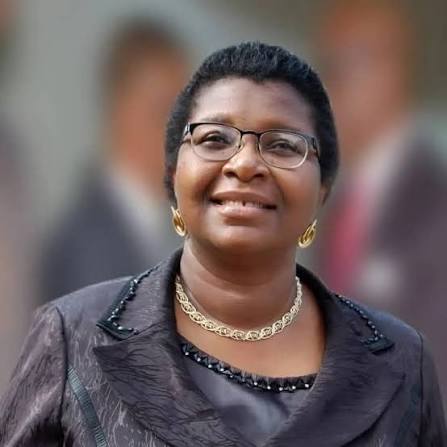
Governor Sheriff Oborevwori of Delta State has approved the appointment of Mrs. Charity Ehimen as the new Head of Service (HoS).
The governor’s approval is contained in a statement signed by the Secretary to the State Government (SSG) in Asaba, Dr. Kingsley Emu, Friday.
Ehimen’s appointment was sequel to the retirement of Mrs. Minimim Oseji, who would be out of the State Civil Service on October 28.
Until her appointment, Ehimen was the Permanent Secretary attached to the Office of the Head of Service, and was previously Permanent Secretary, Ministry of Physical Planning and Urban Renewal.
According to Emu, the swearing-in of the new HoS will be announced in due course.
Earlier, the State Commissioner for Works (Rural Roads) and Public Information, Mr. Charles Aniagwu, during his post State Executive Council meeting briefing, conveyed Oborevwori’s appreciation for the outgoing HoS, Dr. Minimim Oseji.
According to Aniagwu, the Governor, who presided over the council meeting, announced a new succession policy for the office of the HoS.
He said the policy was aimed at repositioning and to bring about institutional understanding and experience in the appointment of HoS.
“Oborevwori lauded the outgoing HoS for her reforms and tenacity.
“Henceforth, whoever will succeed the HoS must spend a minimum of six months in that office as Permanent Secretary (PS) to understudy the processes and procedures in the management of the career of public officers”, Aniagwu said.
The outgoing HoS succeeded Mr. Reginald Bayoko, who occupied the office for almost nine years.
Oseji was sworn-in as the 12th Head of Service on April 10, 2025.
-

 Education1 day ago
FCE Yola Graduates 3,555 Teachers , Seeks Upgrade to University
-

 Sports1 day ago
Nigerian Trio Target Titles At PFL Africa Finals
-

 Niger Delta1 day ago
Diri Restates Stance On Lagos-Calabar Coastal Highway
-

 Niger Delta1 day ago
C’River, NUJ Pay Tribute To Late Guardian Editor
-

 News1 day ago
NDLEA Recovers Tons Of Illicit Drug Consignments In Nine States
-

 Opinion1 day ago
Checking Voter Apathy In Nigeria’s Electoral Process
-

 Politics1 day ago
2027: DICKSON’S EX-ALLY VOWS TO WORK AGAINST NDC INTEREST IN BAYELSA
-

 Politics1 day ago
2027: GROUP PLEDGES 40,000 SUPPORTERS FOR COALITION CANDIDATES IN RIVERS