
Business
Looting Of Warehouses Caused By Protests, Not Poverty – Adesina

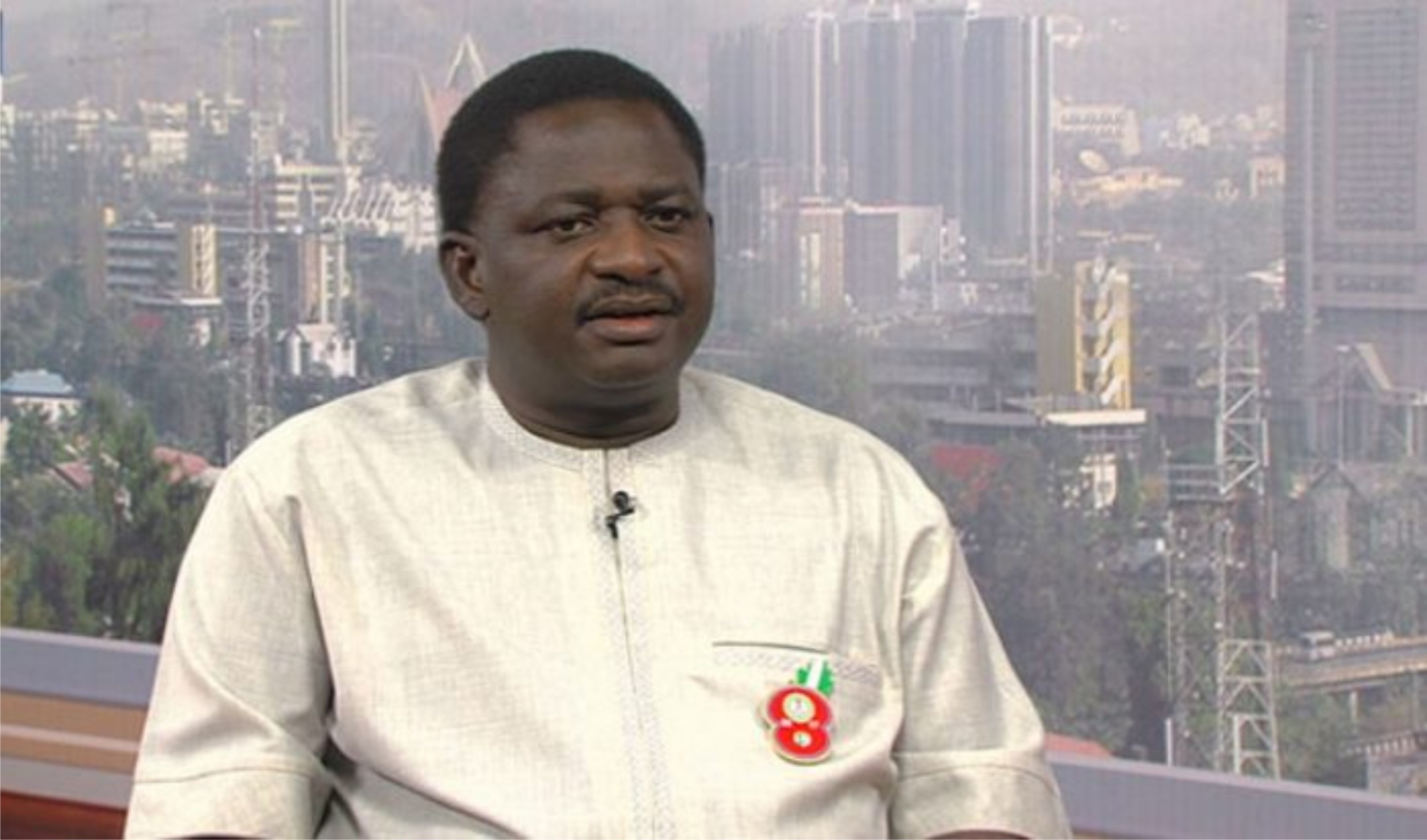
The Special Adviser to the President on Media and Publicity, Mr Femi Adesina, says the looting of warehouses and shops by hoodlums was not necessarily caused by poverty but by the pandemonium that accompanied the #EndSARS protests.
Speaking on Channels Television’s Sunrise Daily programme, yesterday, Adesina said attributing the looting to poverty was like justifying armed robbery.
“Criminality is criminality. Would it justify armed robbery because the man was poor? Would it justify armed robbery because the man didn’t have money? Just as you cannot justify armed robbery because a man was poor and took a gun to rob another person, you can’t also justify the looting,” he said.
Adesina claimed the protracted protests provided an atmosphere for looting to take place.
He said if police stations were not burnt down, there wouldn’t have been a breakdown of law and order.
The President’s spokesman said, “Criminality will always be criminality and mere anarchy promotes criminality. What has happened in the last two or three weeks led to what has happened now. If there was cohesion and tranquillity in society, this wouldn’t happen.
“Therefore, it was corollary to the mere anarchic situation that came on the country because of the protests. If you didn’t have people burning police stations, killing policemen, burning private and public property, you wouldn’t have this spate of looting.
“So, I don’t agree that it is all about poverty. Yes, in any country, you will have at any given time, you will have people who are poor, who are hungry and that is one of the reasons why you have government to ensure that the number of poor and hungry people is reduced.”
When challenged with the fact that Nigeria had become the poverty capital of the world, the President’s spokesman said the high level of poverty was caused by 60 years of mismanagement of public funds which could not easily be addressed in two years.



-

 Education2 days ago
FCE Yola Graduates 3,555 Teachers , Seeks Upgrade to University
-

 Sports2 days ago
Nigerian Trio Target Titles At PFL Africa Finals
-

 Niger Delta2 days ago
Diri Restates Stance On Lagos-Calabar Coastal Highway
-

 Niger Delta2 days ago
C’River, NUJ Pay Tribute To Late Guardian Editor
-

 News2 days ago
NDLEA Recovers Tons Of Illicit Drug Consignments In Nine States
-

 Opinion2 days ago
Checking Voter Apathy In Nigeria’s Electoral Process
-

 Politics2 days ago
2027: DICKSON’S EX-ALLY VOWS TO WORK AGAINST NDC INTEREST IN BAYELSA
-

 Politics2 days ago
2027: GROUP PLEDGES 40,000 SUPPORTERS FOR COALITION CANDIDATES IN RIVERS