
Business
Nigeria’s Foreign Reserves Drop By $1.64bn

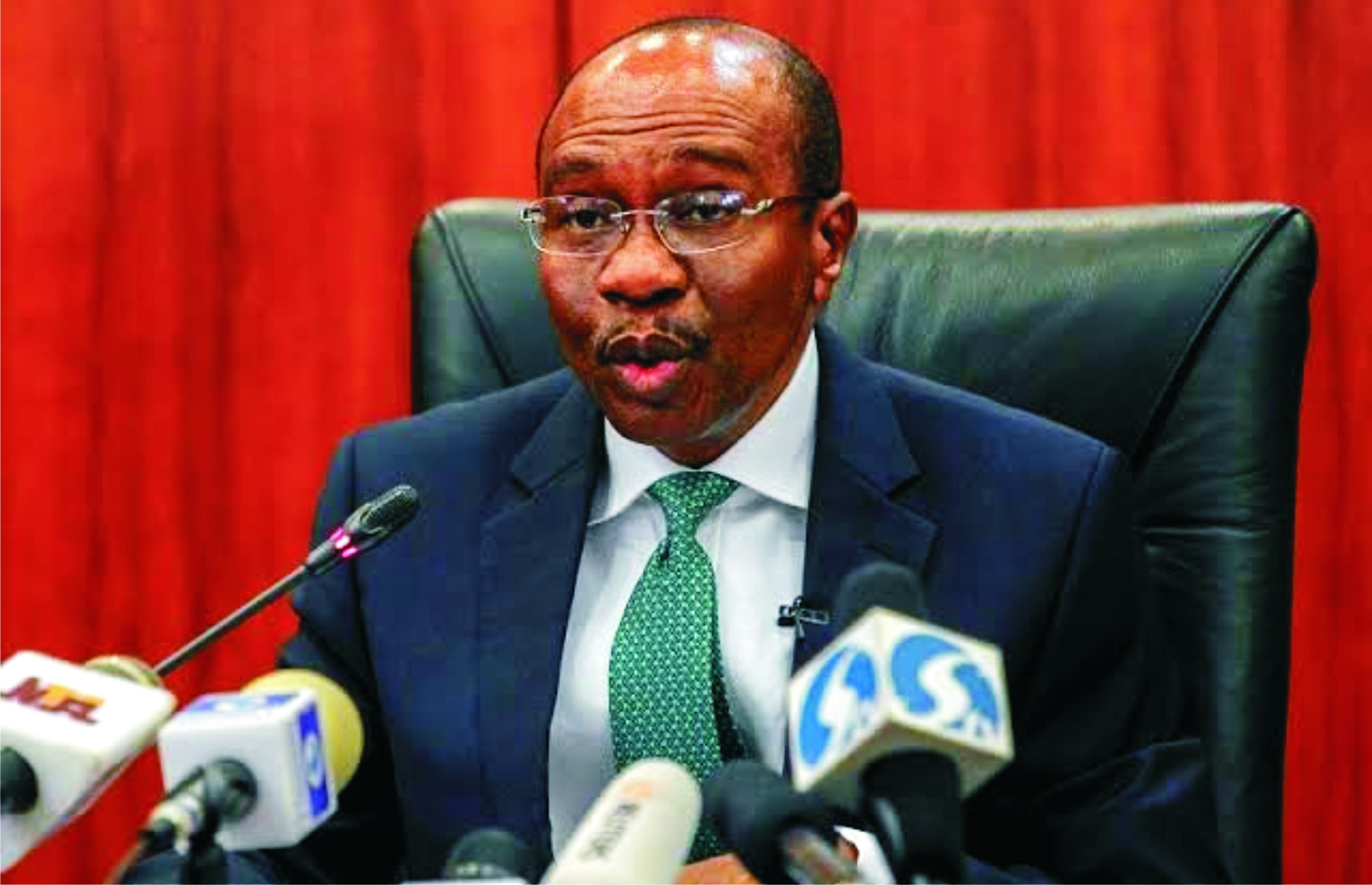
Nigeria’s foreign exchange reserves continued its downward trend as it dropped by $1.64bn from $38.34 billion on January 15, 2020 to $36.69 billion on February 20, latest figures from the Central Bank of Nigeria(CBN) has revealed.
The apex bank disclosed that the reserves stood at $38.53 billion on January 2, 2020.
According to the figures, the reserves dropped from $39.8 billion on November 11, 2019 to $39.24 billion on December 13, after falling by $1.26 billion from $41.76 billion on October 2 to $40.5bn as of the end of October.
The reserves dropped by $482.18m from N45.14 billion as of July 8 to $44.65 billion on August 8.
The CBN Governor, Mr Godwin Emefiele, said recently that Nigeria’s overdependence on crude oil for over 60 per cent of fiscal revenue and over 90 per cent of forex inflows meant that shocks in the oil market were transmitted entirely to the economy via the forex markets as manufacturers and traders who required forex for input purchases were faced with dwindling supplies.
He said, “Average monthly inflows of forex into the CBN fell from over $3.4 billion in June 2014 to a low of $1.4 billion in September 2016. The decline in forex earnings was further complicated by the foreign capital flow reversals due to rising yields in the USA. The impact on our economy was evident in the rising pressure on the naira-dollar exchange rate.
“With the drop in forex inflows, the exchange rate at the parallel market rose from about N200/$ in August 2015 to N525/$ in February 2017. Inflation also rose from 9.6 per cent in January 2016 to over 18.7 per cent in January 2017.
“Our external reserves fell from about $31billion in April 2015 to $23 billion in October 2016, and activities in the industrial sector witnessed a lull as manufacturers struggled to get access to key inputs needed in the production process.”
He said the CBN introduced a demand management approach in order to conserve the country’s reserves and support domestic production of certain goods in Nigeria.
Emefiele said the impact of a tighter monetary policy regime, attractive yields in the money market, and the bank’s efforts at supporting domestic production in the agriculture and manufacturing sectors, along with improvements in oil production, had supported continued forex inflows into the Nigerian market.
He stated, “In the import and export window, over $60 billion worth of transactions have taken place since the inception of the window in April 2017, and our foreign exchange reserves are above $40 billion as at October 2019, relative to its low point of $23 billion in October 2016.
“We have been able to build our reserves in the midst of lower oil prices, as strong reserves aid the confidence of domestic and external investors. Today, our current stock of external reserves is able to finance 12 months of current import commitments.”



Business
Jonathan, Diri, Others Laud Firm’s Milestone in Bayelsa …Says Project Will Drive Industrialisation, Create Jobs



-

 News2 days ago
RSG Targets Nine Million Residents in Mosquito Net Distribution Campaign
-

 Oil & Energy2 days ago
Aiyedatiwa Signs New Electricity Bill
-

 Oil & Energy2 days ago
NLNG Commissions Research And Innovation Centre In RSU
-

 Maritime2 days ago
Marine Minister Commends President Tinubu On NPERA Bill Assent
-

 News2 days ago
KenPoly Holds Eight Convocations, August 29
-

 News2 days ago
RSG Begins Another Phase of Projects Commissioning Today
-

 News2 days ago
RMAFC Completes Revenue Sharing Review, Proposes New Pay
-

 Maritime2 days ago
NAGAFF Petitions IGP Over Alleged Maritime Police Harassment