
Business
Expert Wants States To Establish Rice, Oil Palm Mills

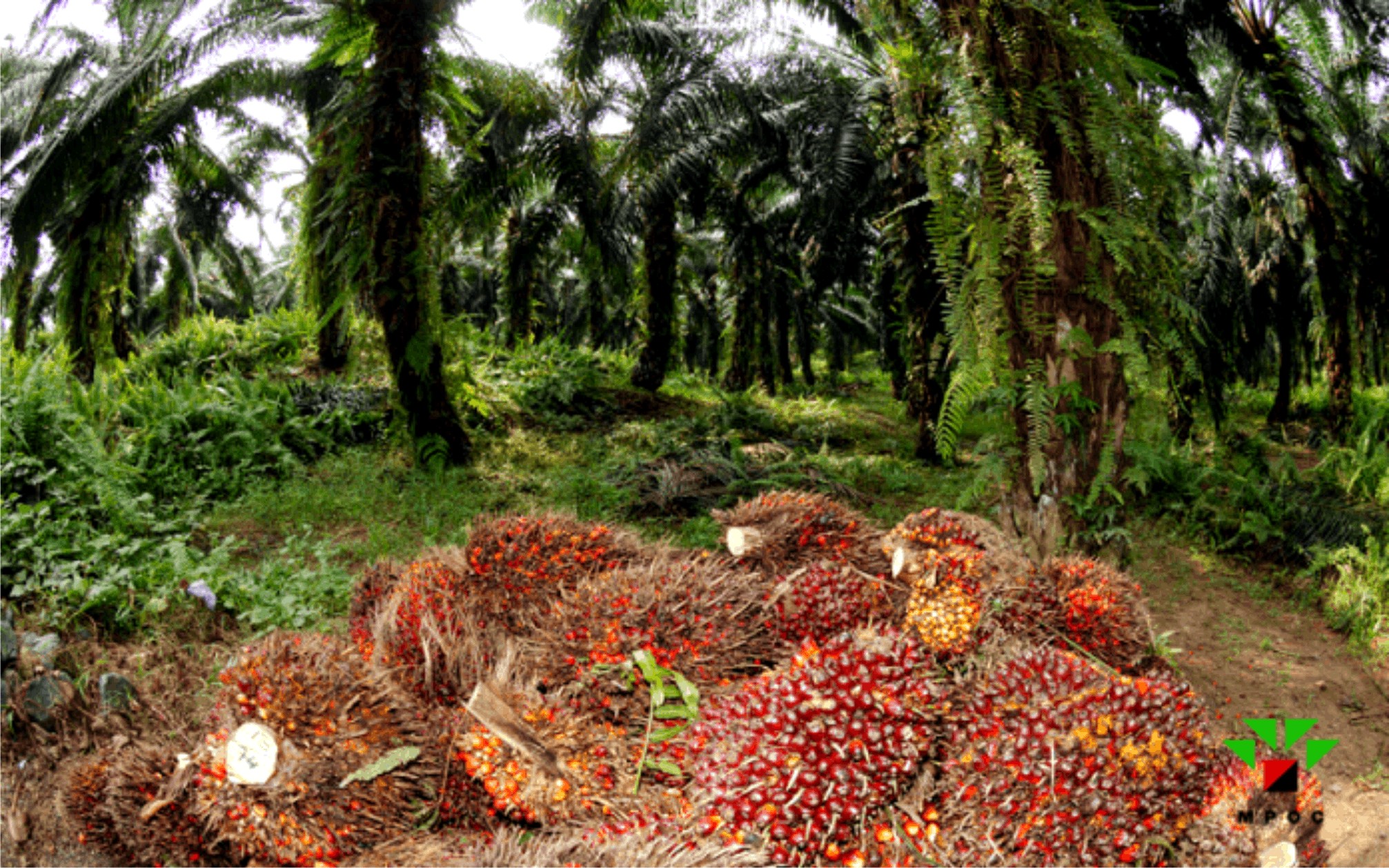
A renowned agricultural expert, Professor Ofoegbu Amadike has called on the state governments in the south-South and South-East regions to establish mini modern rice mills and oil palm processing mills to serve the need of the people in the rural areas. This, he said, would also be in line with the federal government’s drive towards increased local rice production in the country.
Amadike who is a retired professor of agriculture and a consultant to many agro-based industries in the South-South, made the call in Port Harcourt during an interview with The Tide, recently.
He said that if the projects were carried out, it would encourage the development of oil palm and rice production estate by farmers who were limited by the non availability of processing facilities.
Amadike noted that these projects like rice and oil palm could be pursued under the commercial agricultural credit scheme and would in turn complement other production efforts in providing sufficient raw materials for the operation of oil palm and rice mills.
He commended farmers and fishermen for their perseverance in spite of odds militating against the production and sustenance of food security in this era of global food crisis.
He pointed out that lack of easy access to credit, inability to acquire relevant agricultural equipment/inputs, inadequate training on modern agricultural practices and dearth of information on recent innovation in agricultural development were some of the inhibiting factors retarding the progress of agriculture in the county.
The agric expert also urged state governments to pay counterpart funds in respect of their state’s Agricultural Development Programme (ADP), Community Based Natural Resource Management Programme (CBNRMP) and the FADAMA III Programme, as a way to boost agricultural business in the country.



Business
Jonathan, Diri, Others Laud Firm’s Milestone in Bayelsa …Says Project Will Drive Industrialisation, Create Jobs



-

 News3 days ago
RSG Targets Nine Million Residents in Mosquito Net Distribution Campaign
-

 Oil & Energy3 days ago
Aiyedatiwa Signs New Electricity Bill
-

 Maritime3 days ago
Marine Minister Commends President Tinubu On NPERA Bill Assent
-

 Oil & Energy3 days ago
NLNG Commissions Research And Innovation Centre In RSU
-

 News3 days ago
KenPoly Holds Eight Convocations, August 29
-

 News3 days ago
RSG Begins Another Phase of Projects Commissioning Today
-

 News3 days ago
RMAFC Completes Revenue Sharing Review, Proposes New Pay
-

 Maritime3 days ago
NAGAFF Petitions IGP Over Alleged Maritime Police Harassment