
Business
AfDB Moves To Invest $600m In Alternative Energy

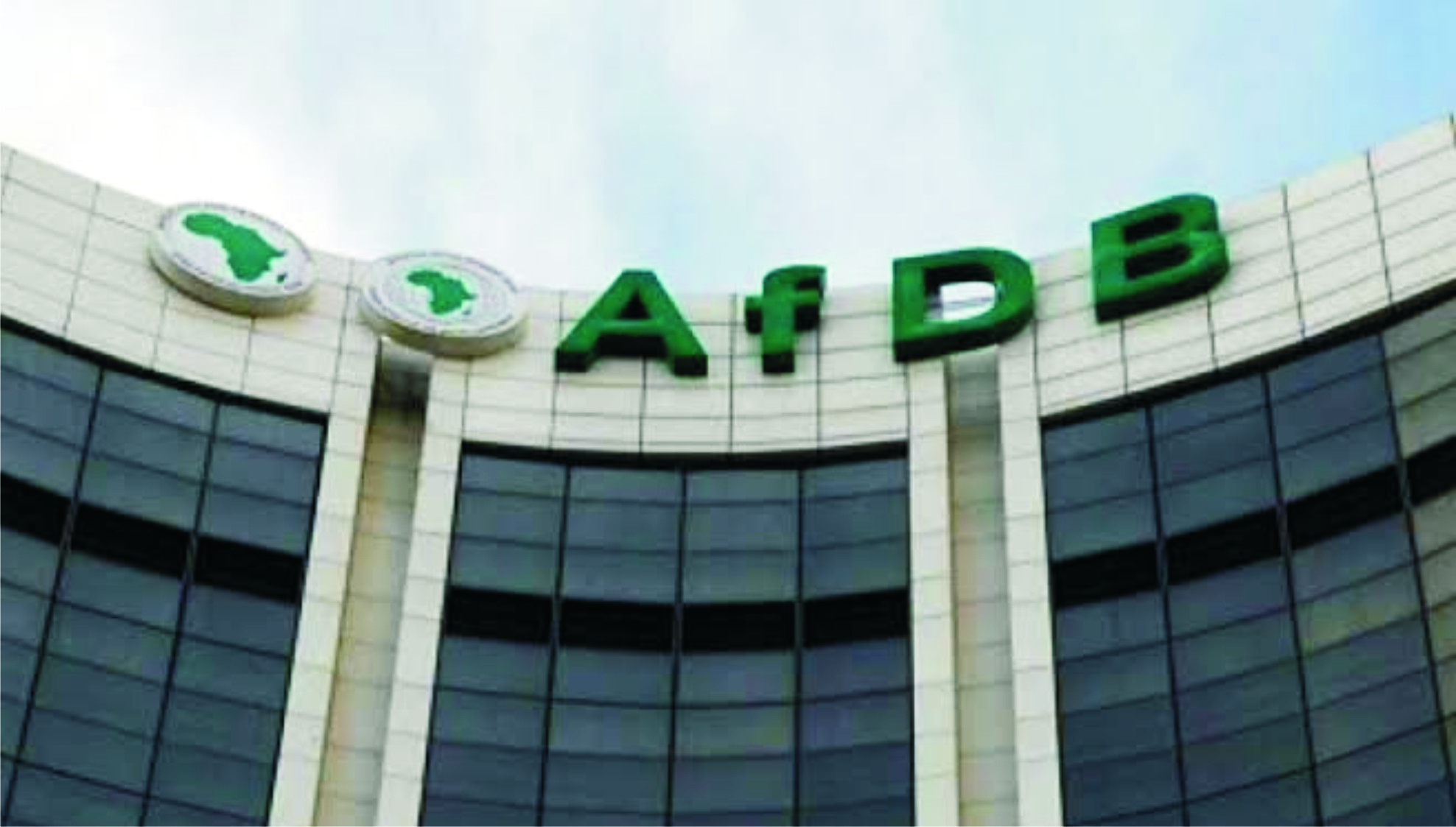
The African Development Bank (AfDB) says it has freed up $600 MILLION for investment in renewable energy in Africa.
The President, AfDB, Dr Akinwumi Adesina, who disclosed this in his keynote speech at the UK-Africa Investment Summit, said, “Huge opportunities exist for investment in renewable energy, especially for hydropower, wind, solar, thermal and geothermal.
“But many of these opportunities can’t be realised unless we invest a lot more in project preparation to make the projects bankable. The African Development Bank through its NEPAD infrastructure project preparation facility has helped to mobilise financing for $8.5 billion of infrastructure projects.”
The AfDB said the Sustainable Energy Fund for Africa, based at the bank, had supported investments in excess of $800m in renewable energy.
He said, “With global climate change, and increasing frequency and intensity of extreme weather events, there is an urgent need to climate proof infrastructure investments.
“The devastating cyclones in Mozambique, Malawi and Zimbabwe led to massive destruction of critical infrastructure. The same applies to coastal states, which are more vulnerable to coastal erosion and floods. Infrastructure investment must now be climate-resilient.”
According to Adesina, the bank used a partial risk guarantee to support the Lake Turkana wind power project in Kenya, the largest wind power generation project in Africa, which will produce 300 megawatts of electricity.
“The African Development Bank’s €20 million Partial Risk Guarantee essentially backstopped the government of Kenya’s obligations to developers against delays in the construction of transmission lines,” he said.
He noted that the bank launched a $1billion synthetic securitisation that it used to transfer risks on its private sector portfolio assets to the private sector.
Adesina said, “We are currently exploring with the DFID the use of synthetic securitisation for the sovereign portfolio of the African Development Bank. This will be used to transfer sovereign risk to the market, working with insurers and reinsurers in the UK. This could be a huge game changer for how governments can transfer their sovereign risks on infrastructure to the market.
“Because the bulk of infrastructure is financed through foreign loans, and the revenue streams are in local currency, it introduces high financial and forex risks to investors. Using swaps and hedging are effective, no doubt, but more can be achieved by focusing on local currency financing. This will also help with debt sustainability as the bulk of Africa’s external debt is on infrastructure.



Business
Jonathan, Diri, Others Laud Firm’s Milestone in Bayelsa …Says Project Will Drive Industrialisation, Create Jobs



-

 News2 days ago
RSG Targets Nine Million Residents in Mosquito Net Distribution Campaign
-

 Oil & Energy2 days ago
Aiyedatiwa Signs New Electricity Bill
-

 Maritime2 days ago
Marine Minister Commends President Tinubu On NPERA Bill Assent
-

 Oil & Energy2 days ago
NLNG Commissions Research And Innovation Centre In RSU
-

 News2 days ago
KenPoly Holds Eight Convocations, August 29
-

 News2 days ago
RSG Begins Another Phase of Projects Commissioning Today
-

 News2 days ago
RMAFC Completes Revenue Sharing Review, Proposes New Pay
-

 Maritime2 days ago
NAGAFF Petitions IGP Over Alleged Maritime Police Harassment