
Oil & Energy
Expert Tasks Oil Firms On MoUs’ Implementation

Worried over the increasing spate of disagreements between oil firms and their host communities, an expert in the oil and gas sector, Dr Eddie Wikina, has called on all multinationals and corporate organizations operating in the Niger Delta to implement the Memorandum of Understanding (MOUs) signed with their host communities.
Wikina who spoke with The Tide in an exclusive interview recently, said the flouting of MOUs and the absence of sustainable community development policies among various oil firms and corporate organisations were the roots causes of under-development and conflict in the Niger Delta.
He pointed out that, “modern industry practices require that both the oil firms and the host communities operate in mutual agreement and synergy through a well community engagement model that would be subject to upward reviews to suit evolving developments to avert crisis.”
He noted that oil related conflicts has been a predominant feature of the Niger Delta over the years and urged prospecting oil firms and other corporate organisations in the region to learn from the experiences of the past and improve their host community relations by contributing meaningfully to the development of their host communities.
Dr wikina noted that said host communities were major stakeholders in the oil and gas business, saying their active participation in the sector was an elixir to smooth business operation.
“It’s certain that business activities can’t strive in an environment where their is mutual disagreement and incessant conflicts. Global standards in oil and gas business require that host communities be given their due sense of belonging to promote peace and development. “The business concern must be accommodative of the development interest of the host communities, any company that glosses over the interest of its host communities is bound to face challenges”, he said.
He cautioned against the influx of substandard oil firms in the Niger Delta and called on the Federal Government to enact laws that will compel multinationals to implement all agreements signed with their host communities.
“Not all companies that prospect for oil in the Niger Delta has the capacity for effective business operation, some of them don’t have the industry experience and lack the potency to make the right impact,” he noted.
According to him, the passage of the Petroleum Industry Bill will address the inherent challenges in the oil and gas sector, especially in the development of oil and gas producing communities.
Taneh Beemene





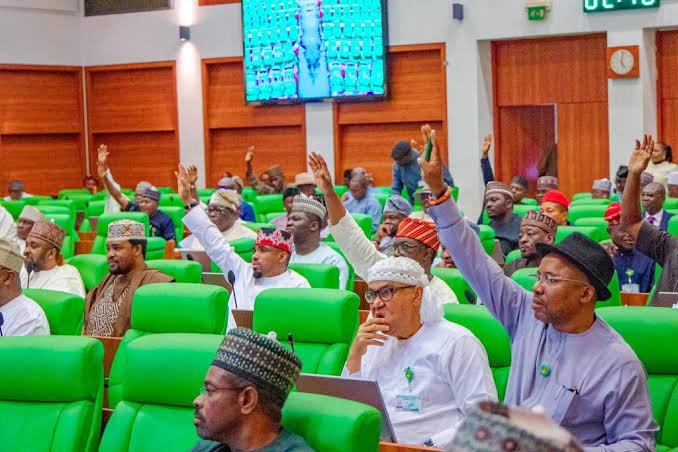
The decision followed a review by the House Sub-Committee on the Petition concerning NIPCO Plc, which rejected the complaint filed by the Nigerian Energy Security Watch Group (NESWG) for lacking substance and evidential support.
The petition had called for an investigation into, and the suspension and cancellation of, gas distribution licences issued by the Nigerian Midstream and Downstream Petroleum Regulatory Authority (NMDPRA) to NIPCO for Lagos, Ogun, Oyo and Osun states, as well as the Lagos and Lekki Free Trade Zones.
Announcing the decision last Thursday, the Chairman of the Sub-Committee, Peter Aniekwe, said the petitioners relied on hearsay and failed to establish any wrongdoing in the licensing process.
“At its sitting today, the Sub-Committee resolved not to proceed with the investigation, and the petition is accordingly dismissed,” Aniekwe said.
The committee, which also includes Dahaltu Shehu, was constituted in October to examine the petition. It was granted an additional 14 days on October 26 to conclude its assignment.
Aniekwe said the issuance and regulation of gas distribution licences were statutory responsibilities of the NMDPRA under the Petroleum Industry Act, while stressing that the National Assembly would continue to exercise oversight over the process.
He disclosed that the regulator had committed to completing and rolling out gas distribution licensing in the fourth quarter of 2026, adding that the committee would monitor the implementation.
“Nigerians deserve a gas market that is open, competitive and safe, and investors deserve rules that are clear and stable,” he said.
The lawmaker reaffirmed the House’s commitment to considering petitions from individuals and organisations with genuine concerns about the petroleum sector, saying “each complaint would be assessed on its merits”.
-
News2 days ago
RSG Reaffirms Commitment To STEM Education, Technological Advancement
-
Business2 days ago
‘NUJ, NPA’s Partnership Would Boost Port Producrivity, Economic Growth’
-

 News2 days ago
IGP Warns Police Officers Against Partisanship …Directs Regular Engagement With Journalists
-
Business2 days ago
Fire Threat Interrupts Asaba Air Peace Flight
-
 News2 days ago
Customs To Deploy AI, Scanners Against Snuggling
-
Business2 days ago
Fish Production Deficit, A Major Investment Opportunity – Minister
-
 Politics2 days ago
2027: INEC Begins Deployment Of Non-Sensitive Materials
-
Business2 days ago
NCDMB, NLNG Unveil $9m For Professorial Endowment Research Chairs In Six Varsities