
Oil & Energy
PHED Ends Estimated Billing In Rivers, Others, Soon

Electricity consumers in Rivers, Bayelss,Akwa Ibom and Cross River State will soon heave a sigh of relief from erroneous billing as the Port Harcourt Electricity Distribution Company, in partnership with two other companies, has commenced sales of meters to customers within its operating States.Speaking during the flag off of the exercise last Thursday, the Chief Executive Officer, PHED, Naveen Kapoor, explained that the purpose of the program was to bring transparency and integrity in billing system through accurate energy measurement and also allow customers to manage their consumption efficiently. Kapoor explained that under the Metre Asset Provider (MAP) scheme, a third party vendor approved by the National Electricity Regulatory Commission ( NERC), based on necessary criteria, was granted permits to be the MAP for funding, supplying, installing and ensuring the integrity of the meters.According to him,” under the new policy, all customers are mandated to be metered and have to pay for the meter”.” PHED has adopted MAP policy to bridge the metering gap in her network and put to an end the lingering issue between her and her customers with the aim of strengthening relationship and bond with customers”.Kapoor disclosed that the distribution company has established billing reconciliation camps across its coverage areas to ensure smooth operations as well as fast tracking transition of unmetered and defective meter customers who are being billed on estimated basis and have outstanding debts payable to PHED.





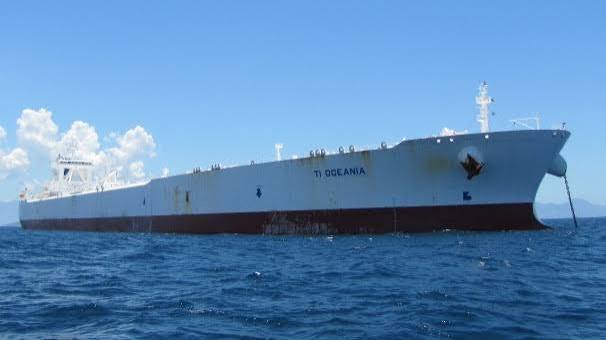
Excluding Oman, their oil exports reached 18.4 million bpd in October, although shipments remained 26 per cent below prewar levels. Crude oil exports alone totaled 15 million bpd, equivalent to 82 per cent of their volume before the conflict.
Despite the prospect of excess supply, the IEA continues to identify two major sources of uncertainty: depleted onshore inventories and the security of maritime transport.
Its latest projections indicate that the recovery in global oil supplies has outpaced its earlier expectations. The market now faces the prospect of a surplus before the end of 2026, although low inventories on land and risks to shipping routes remain unresolved.
-
News5 days ago
Bayelsa Boat Mishap: Tinubu Donates N250m As Death Toll Hits 29
-
News5 days ago
Odu Pays Tribute To Late Chinwah, Describes Him As Courageous, Selfless Academic
-

 Maritime4 days ago
Nigeria, Russia Customs Sign MOU To Trade Facilitations
-

 Sports4 days ago
World marathon champion gets three-year doping ban
-

 Maritime4 days ago
South-South Governors Urges To Shake Off Collective Lethargic To Embrace Blue Economy
-

 Maritime4 days ago
Oyetola Woos Investors With Nigeria’s Seabed Resources, Marine Biotechnology
-

 Business4 days ago
Moniepoint MfB transaction volume hits 1trn daily — CEO
-

 Sports4 days ago
RSG PLEDGES TO PARTNER SWAN FOR SPORTS PROMOTION, DEVELOPMENT