
Business
DISCOs Suspension: Association Assures Speedy Resolution

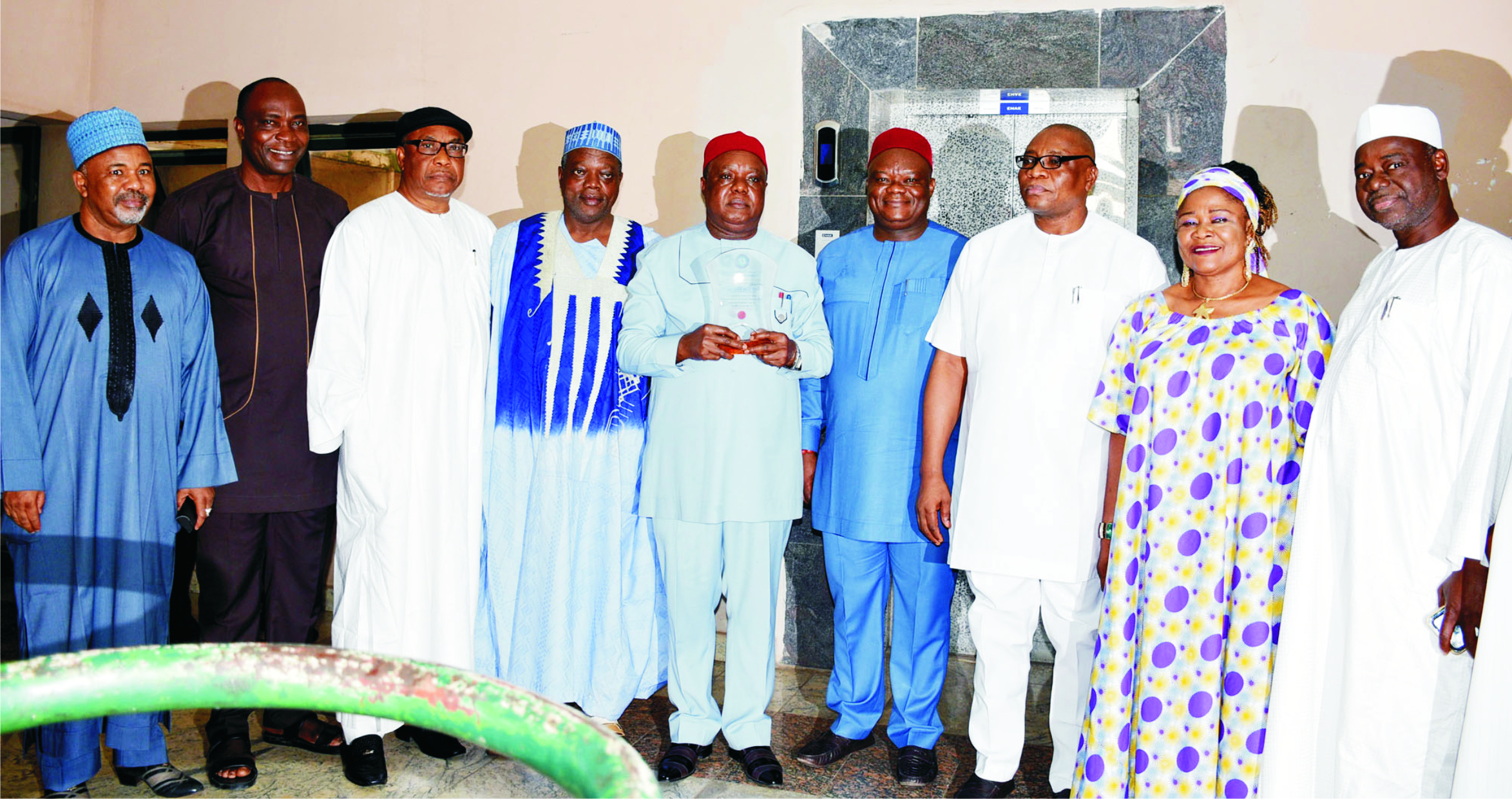
The Association of Nigerian Electricity Distribution (ANED), says it is working with stakeholders in the power sector to address issues that led to the suspension of some of its members.
The Executive Director, Research and Advocacy, ANED -umbrella body of Electricity Distribution Companies (DisCos), Mr Sunday Oduntan disclosed this in an interview with newsmen in Abuja yesterday.
Oduntan said the association had taken practical steps to address the issues that led to the disconnection of some facilities of its members by Transmission Company of Nigeria (TCN).
“We will continue to work with all stakeholders in the industry. Our members will also continue to do their best to meet our obligations to the market.
“However, we want people to realise that electricity is a utility which has to be paid for. “People must know that we have to pay to the transmission companies just as we also enjoin our customers to also pay to us,’’ he said.
Oduntan explained that the disconnection of the DisCos was a direct effect of liquidity crisis in the Nigeria power sector.
“The liquidity crisis that we have, has brought about a very huge short fall in the market. “This is making it impossible or difficult for market participants to meet their obligations.
“In the case of DisCos, we are under-selling our products because we are buying at a higher price than the price we are selling to electricity consumers.
“So it has become difficult for us to pay our creditor. That is what is going on,’’ he said.
Reports say that in the last few weeks, suspension and disconnection orders had been issued against, Kano, Port-Harcourt, Enugu, Eko and Ikeja DisCos .
The suspension order followed default of the “Market Conditions/Market Participation Agreements’’ by the DisCos.
TCN has, however, lifted the suspension on Enugu, Eko and Ikeja DiScos after they complied with the agreement while Port-Harcourt Disco is still on suspension.



Business
Jonathan, Diri, Others Laud Firm’s Milestone in Bayelsa …Says Project Will Drive Industrialisation, Create Jobs



-

 News2 days ago
RSG Targets Nine Million Residents in Mosquito Net Distribution Campaign
-

 Oil & Energy2 days ago
Aiyedatiwa Signs New Electricity Bill
-

 Maritime2 days ago
Marine Minister Commends President Tinubu On NPERA Bill Assent
-

 Oil & Energy2 days ago
NLNG Commissions Research And Innovation Centre In RSU
-

 News2 days ago
KenPoly Holds Eight Convocations, August 29
-

 News2 days ago
RSG Begins Another Phase of Projects Commissioning Today
-

 News2 days ago
RMAFC Completes Revenue Sharing Review, Proposes New Pay
-

 Maritime2 days ago
NAGAFF Petitions IGP Over Alleged Maritime Police Harassment