
Environment
Dangers Of Open Defecation

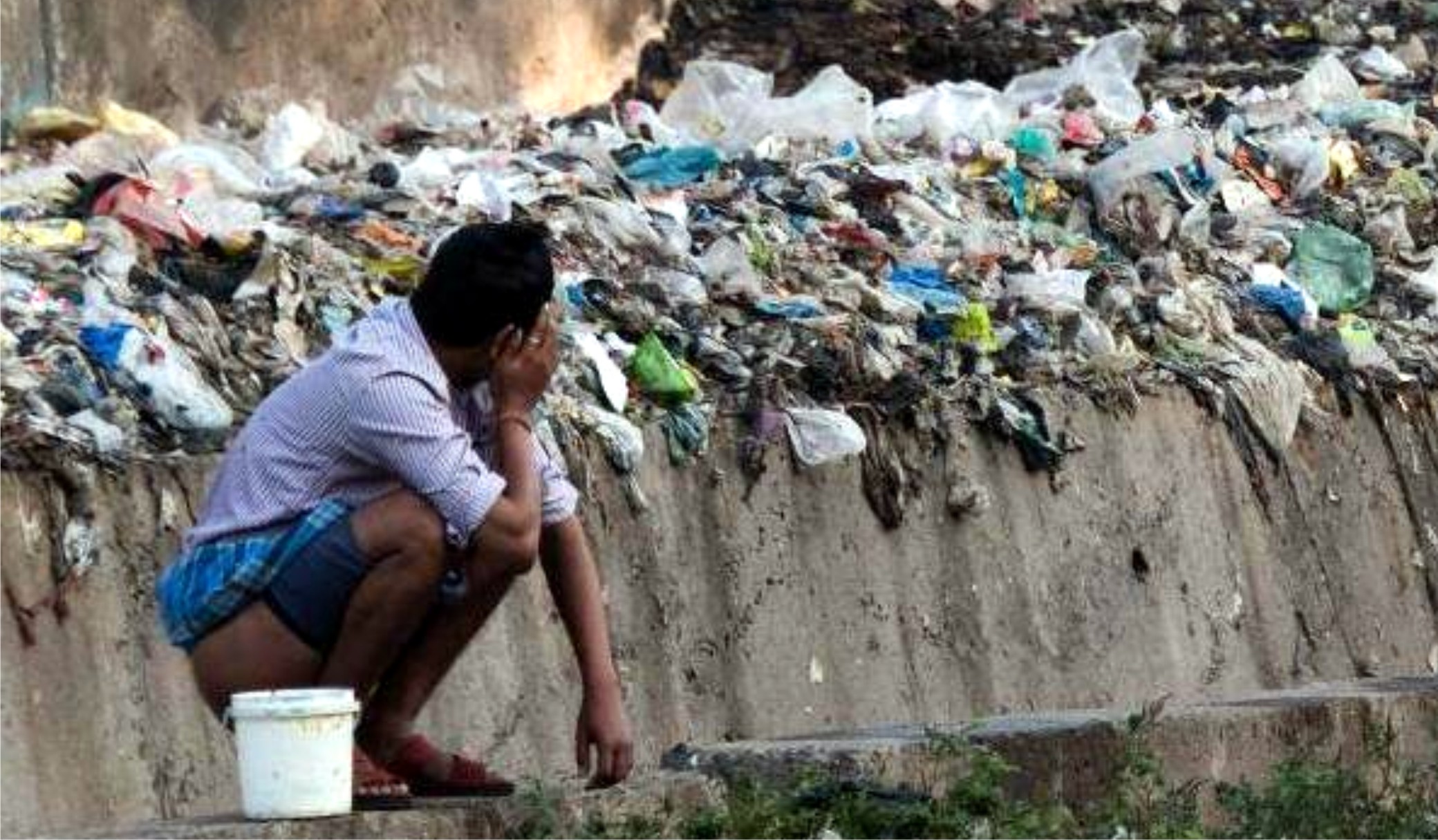
The story was told of a man in Yakkur Local Government Area of Cross River State who was mistakenly shot dead by a hunter while defecating in a nearby forest.
The story was a reflection of the dangers, the society faces everyday from open defecation. It would be noted that by the first of October, 2019, India will exit its ranking as a nation with the largest number of persons practising open defecation.
The planned exist of India will create a void that will be filled by no less a nation than Nigeria.
Nigeria is currently second in ranking to India which occupies the number one spot in the world as far as open defeacation is concerned.
Critics say that the up- coming development will not only dent the image of the country abroad, but add to her misery index locally.
Statistics made available to newsmen at a recent National Media Dialogue on Sanitation organised by the United Nations Children’s Fund (UNICEF) in Calabar, Cross River State, shows that Nigeria with a population of over 200 million people has a sizeable number of her citizens practising open defecation.
According to the report, one in three Nigerians has no access to basic drinking water, while 47 million defecate in the open.
The report also shows that 33 million Nigerians use unimproved toilets, while on average, people living in rural areas have access to only 4 litres of water per capita each day.
It shows that only 34 per cent of schools and 12 per cent of hospitals have access to basic sanitation.
It would be noted that out of the 774 Local Government Areas in the country, only 13 have been certified Open Defecation Free (ODF).
Six of these, however are in Cross River State, while in Rivers State, Opobo/Nkoro and Akuku-Toru Local Government Areas which keyed into the programme are yet to attain the ODF status.
In Cross River State, the six local government areas are Obaniku, Yakkur and Ikom.
The rest are Bekwaru, Boki and Yalla Local Government Areas.
Sources further informed The Tide that the dangers associated with the situation were responsible for the current move by the government to end open defecation by 2025.
It would be recalled that President Muhammadu Buhari, recently launched the “Clean-Up Nigeria: Use The Toilet Campaign, with the mandate to mobilise Nigerians towards attaining the status of Open Defecation Free nation by 2025.
Information also revealed that the government has set aside N10 billion to kick start the campaign
Speaking at the National Media Dialogue on Sanitation: Clean-Up Nigeria: Use The Toilet Campaign in Calabar, the Head, Child Rights Information Bureau, Federal Ministry of Information, Abuja, Mr. Olumide Osanyipeju said that the government is determined to get 47 million Nigerians to use the toilets by 2025.
Osanyipeju however said that to achieve the target, there must be vigorous campaign for behavioural change among Nigerians.
According to him, the nation will be further embarrassed when a new ranking is done this year, and described the Clean-Up Nigeria: Use The Toilet Campaign as timely.
He listed the dangers of open defecation to include poor nutrition, and adverse health conditions; “open defecation is dangerous as it spreads Cholera, Typhoid and other diseases.
“There is need for awareness on impact of open defecation in Nigeria”, he said.
He said that the media dialogue was to create awareness on the Clean-Up Nigeria: Use The Toilet Campaign” with a view to changing people’s behaviour on sanitation and health.
A communication specalist at UNICEF, Geoffrey Njoku said that if nothing is done about it, the situation will further compound the misery index of the country.
Njoku said that it was against this background that UNICEF is working with relevant organisations to put sanitation on the front burner of national discourse.
He said that the National Media Dialogue on Sanitation with the theme: Clean-Up Nigeria: Use The Toilet in Calabar was the third in the series organised by UNICEF round the country.
He described as terrible, India exiting as the number one ranked nation in the world by October, adding that it is the responsibility of every Nigerian to ensure that the country moves away from where it is now to Open Defecation Free nation by 2025.
He however added that atitudinal change is needed to achieve it.
Speaking on the overview of “Clean-Up Nigeria: Use The Toilet Campaign and how communities become ODF, a Water Sanitation and Health (WASH) specialist at UNICEF, Bioye Ogunjobi said that time has come for critical minds across the country to be engaged with a view to solving the open defecation problem by 2025.
Ogunjobi said that, the tendency is for everyone to work towards checking open defecation in rural communities, adding that the campaign was to increase access to improve sanitation especially in the rural areas.
He said that the priorities are to eliminate open defecation by 2025, bring water sanitation and hygiene to disadvantaged communities in the rural areas, improving access to safe water and sanitation in schools and health care facilities as well as create awareness and promote sanitation and hygiene in society.
Also speaking, Dr Nicholas Igwe of Zenith Water Project Limited said that the private sector must play critical role in the attainment of ODF Nigeria by 2025.
Igwe, who spoke on the link between Rural and Urban Sanitation: What Can the Private Sector Do? said that the private sector must mobilise resources to build toilet facilities in all public places in the country.
The expert also called for decentralisation of sewage disposal system in the country.
Just as the experts have said, the risk associated with open defecation is common in our communities.
Stories have been told of deaths caused by snake bites as a result of open defecation and accidental shooting of persons who practise open defecation in the bush by hunters.
The latest is the increasing number of rape cases in the communities caused by open defecation.
The dangers are enormous and the society must rise up to check the trend.



-

 News2 days ago
RSG Targets Nine Million Residents in Mosquito Net Distribution Campaign
-

 Oil & Energy2 days ago
Aiyedatiwa Signs New Electricity Bill
-

 Oil & Energy2 days ago
NLNG Commissions Research And Innovation Centre In RSU
-

 Maritime2 days ago
Marine Minister Commends President Tinubu On NPERA Bill Assent
-

 News2 days ago
KenPoly Holds Eight Convocations, August 29
-

 News2 days ago
RSG Begins Another Phase of Projects Commissioning Today
-

 News2 days ago
RMAFC Completes Revenue Sharing Review, Proposes New Pay
-

 Maritime2 days ago
NAGAFF Petitions IGP Over Alleged Maritime Police Harassment