
Health
Bipolar Disorder: Know the Symptoms and How to Diagnose?

Overview
Well, to start with, Bipolar disorder is a condition with a mood disorder. Patients suffering from it suffer from extreme mood changes. their mood fluctuates from being very happy or excited about be really sad and depressed at the very next moment. well, not every person suffering from it experience this extreme mod change, in fact, there are certain stages of bipolar disorder which are mentioned below:
- Bipolar I
- Bipolar II
- Rapid cycling
- Cyclomatic Disorder
- Mixed Features
One thing that all those readers who are reading this article and are not suffering from bipolar disorder should note is that if you guys are thinking that these mood swings are just some ups and down, then you are getting a completely wrong idea. the mood swing that a person suffering from bipolar disorder is extreme that the majority of us don’t ever go through in our lives. but fortunately, apart from these mood swings, these people lead a normal life just like any other healthy person would.
About the Mood peaks
In this section, we are going to talk about the mood swings that people with bipolar disorder get. during a mood peak, an excited patient can even spend a lot of money maxing out his bank cards. these mood swings occur in situations like sex, drug intake, alcohol consumption, betting or gambling and more. this emotional outburst can affect the patients very negatively making them lose their jobs, getting them under large debts, and even make them commit self-harm. And this is not all, what follows after these manic episodes are even worse. people go through depression after these manic episodes. the duration of this depression can range from a few hours to days and even months.
Well, as it is mentioned above the severity of manic episode is significantly affected by the stage of your bipolar disorder. some patients only get mild bouts of emotional outburst while others that are in the early phase of disorder don’t even experience any manic episodes.
Does Bipolar disorder run in the family?
yes, bipolar disorder can become a genetic medical problem and unfortunately, researchers are unable to figure out the exact cause of it yet. so, if you are expecting a new member in your family or if someone in your family has bipolar this problem, then there are chances that this problem can be transmitted to you too.
Start Admitting that you are suffering from bipolar disorder
The symptoms of bipolar disorder are hard to recognize in the initial phase but as the intensity of the problem increases the manic bouts can become very extreme. in the initial phases of bipolar disorder, the manic attacks are not harmful to the patients but as it progresses the manic attacks can be harmful to the patient’s life.
One of the bigger problems that come in the diagnosis of bipolar disorder is that often it is misdiagnosed as depression and this poses a problem as the medications for both these problems are different. a common combination of medicines for bipolar disorder patients is of antidepressant and a mood stabilizer. but sometimes doctors prescribe only an anti-depressant which can lead the patient into an extreme manic attack phase. therefore, one important step which is crucial for the treatment of bipolar disorder is to accept the truth that you are suffering from bipolar disorder.
Don’t worry? Bipolar disorder can be treated
Yes, there are various treatments available for bipolar disorder. some of them include medications and therapies. but a combination of both medicines and therapy provides the best result for the patients. making yourself aware of the symptoms of this condition can be very helpful during the treatment. this way your participation in the treatment of your disorder will become active. do whatever you can to learn more about the problems and possible symptoms. maintain a diary, make notes, there are tons of ways by which you can learn a lot about your problem.
another crucial step for the treatment of bipolar disorder is to communicate with people. be open and discuss with people you trust about your condition and collect their feedback and opinions. building a nice support group around yourself will help you in your own treatment.
How does Mood Stabilizers help in treatment?
Mood stabilizers are the most effective medication for the treatment of bipolar disorder. all the spikes that occur during a panic attack are evened out by mood stabilizers and this way your mood is stabilized.
some of the examples of mood stabilizers include Topamax, Lithobid, Lamictal, Tegretol, Depakote, Depakene etc. one of the limitations that doctors face while prescribing a mood stabilizer is that it is difficult to figure the right mood stabilizer for a patient in one go. now one thing to keep in mind is that maintain a strict timetable for the doses of the medications prescribed by your doctor and make sure not to skip a dose or overdose on the pills.
When and what other medicines are prescribed during the treatment?
Well, Mood stabilizers don’t work for every bipolar disorder patient and therefore, a doctor may prescribe some other medications too in addition to the mood stabilizers. tablets like Symbyax is prescribed by the doctors to the patients who are on the recovery phase of their treatment and it helps in stabilizing the occasional manic bouts that might occur during the recovery.
Possible side effects of the medications
well, like any other medicine mood stabilizers also have their side-effects that might be observed by you if you overdose your consumption or consume an expired pill. some of the common side effects of mood stabilizers are drowsiness, weight gain, fatigue and irritation in the stomach. but since the treatment duration of bipolar disorder goes for a long time, therefore, your body gets accustomed to the side-effects and as the time passes, the side-effects cease to be observed. but in case, if you observe intense effects of the side-effects. then contacting your doctor immediately is the best step to be taken.
Dosage instructions for medications
In many cases, the treatment is run for a lifetime to allow the patients to lead their life normally without having to worry about the manic attacks. and as we mentioned above, maintaining a strict regime of taking medicines is one of the crucial measures for the treatment of your disorder. stick to the dosage instructions prescribed by your doctor. if you feel that there is a need for a change in the dosage, consult with your doctor about that first.
Meditation and other therapies
So, until now we discussed the medications that are prescribed for the treatment of bipolar disorder but no discussion about the therapies was made yet. well, therapy is important of the treatment for bipolar disorder. In this section, we are going to talk about the different types of therapies that are available for the treatment of bipolar disorder patients.
- Interpersonal and Social rhythm therapy
interpersonal and Social rhythm therapy sessions are prescribed to the patients for the treatment of disruptions occurring in the biological rhythm. biological rhythm includes processes like sleep triggers and disturbances.
- Family Focused therapy
As the name suggests, family-focused therapy includes your family members and your friends in the treatment. the main objective of this therapy is to help you build a strong support system around you with which you can discuss your improvements and problems.
- Cognitive-Behavior Therapy
Cognitive behavior therapy is done to treat your pessimistic behavior. it helps in getting rid of the negative thoughts that you get when you are depressed. this way cognitive therapy helps in changing your behavior into an optimistic one.
Start communicating with other people like you
You know who is the best person to consult when you suffer from a mental disorder? People who are also suffering from the similar condition, in this case specifically, people who are also suffering from bipolar disorder. communicating with other patients will allow you to gather helpful experiences and feedbacks from alike people. this will also help you in building a support group for yourself which in itself is an effective therapy.
Lifestyle tips that will help you get better results during your treatment
- Avoid alcohol and drug abuse
Alcohol or any drug abuse can be very harmful to you if you are suffering from bipolar disorder. Overconsumption of alcohol will only make your manic attacks even worse. Similar will be the case with drug abuse. So, keeping yourself away from the exposure to both alcohol and smoking will help you in getting better results in your treatment.
- Maintain a regular fitness regime
Maintaining a regular fitness regime is extremely beneficial for any individual. Regular exercise not only keeps your body fit externally but also maintains the internal mineral balance which in turn leads to balanced hormone levels. This avoids sudden spikes in hormones which is responsible for the polar change.
- Knowing what, when and how much to eat
Diet plays a major role in anything that happens in the body. “You eat what you are” is rightly justified because the food that enters the body decides the changes that happen from that point onwards. Making the right choice on what to eat is crucial. Food rich in fats should be avoided and energy source should be mainly carbohydrates and proteins. The meals taken should be rightly balanced and there should be minimal snacking between meals to avoid unnecessary hormonal spikes.


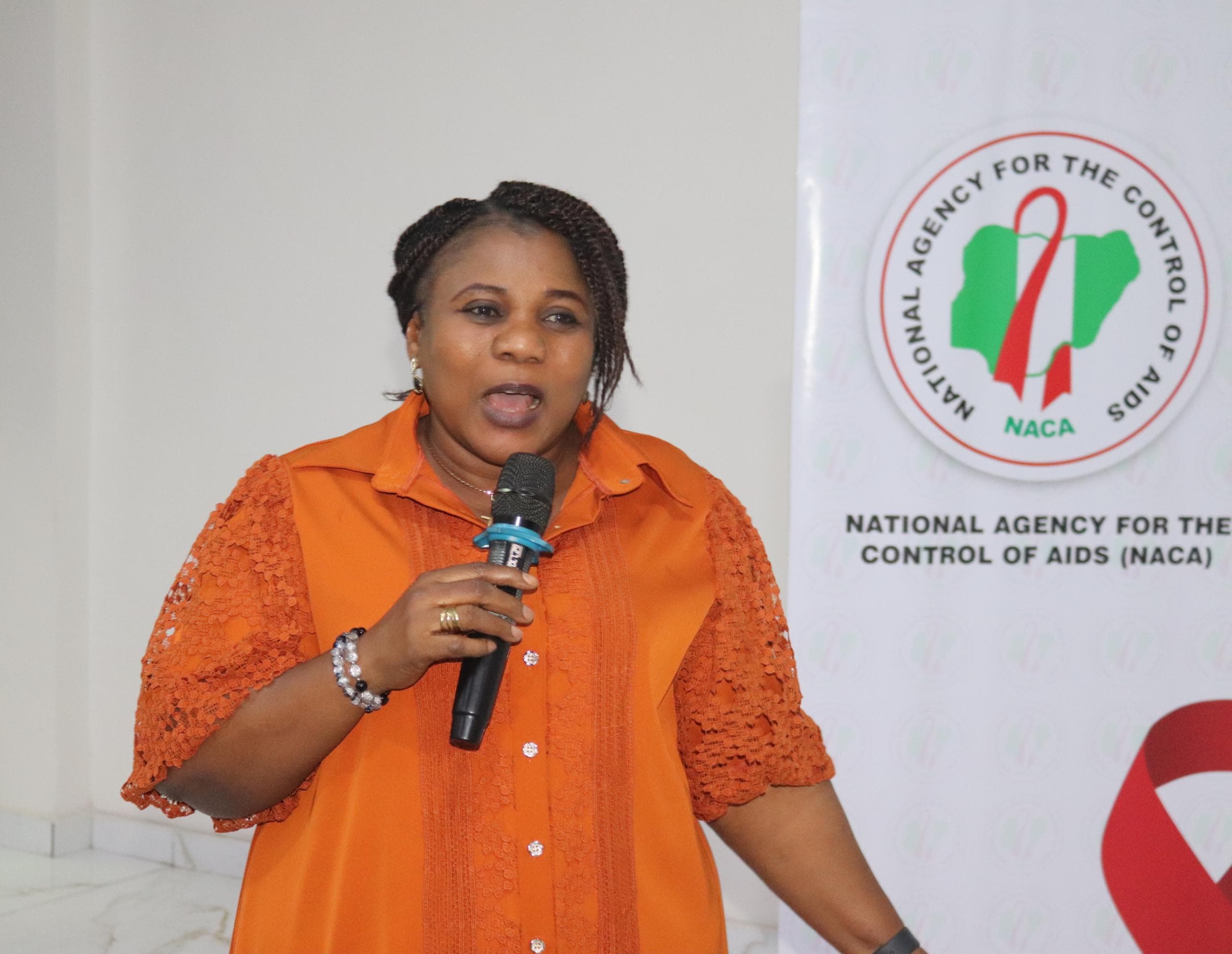
Prevention for HIV has taken yet another more advanced dimension with the introduction of the Lenacapavir (LEN) Pre-Exposure Prophylaxis (PrEP) into the stable of HIV prevention.
This was disclosed to Journalists assembled from across Nigeria in a two-day training programme on Lenacapavir in Lagos State.
In his presentation, the Lead Facilitator, and Principal Partner, Kent Consult Limited, Abuja, Dr. Segun Oyedeji, said unlike the earlier Post-Exposure Prophylaxis (PEP), which is taken to prevent HIV infection after exposure, the Lenacapavir PrEP is taken by non-infected persons.
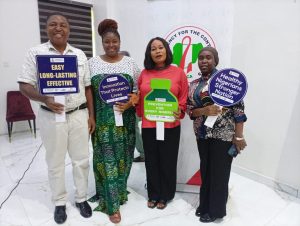
Such targeted persons are usually those exposed to vulnerable behaviours capable of exposing them to HIV infection.
“PrEP is taken before you are exposed to HIV, and comes in three forms: the daily oral PrEP, Truvada pill; the two-months interval injectible, Cabotegravir; and the long-acting bi-annually (six months interval) injectible, Lenacapavir. There’s also the Dapivrine Vaginal Ring, which women wear for one month”, he said.
Dr. Oyedeji explained that PrEP is meant for people who are exposed by their risk profile to HIV infection.
Risk profile, he explained, “is the kind of risk behaviours they exhibit in their lifestyle.”
Such people include people with a partner who has HIV, people who don’t always use condoms, sex workers, etc.

PrEP, according to Dr. Oyedeji, “builds up protection in your body so that if HIV enters your body, the medicine stops it from multiplying.”
Also, within the period the person is taking it, the person must get tested for HIV every three months interval.
So far, among the four options of PrEP, Adedeji, continued, “the Lenacapavir is the game-changer everyone is talking about.”
The reason is that it is a Capsid inhibitor, first of its class, that attacks the protein shell that HIV uses to copy itself, which is different from old drugs, and is just two injections per year, plus small starter tablets at the beginning. Not daily pills.
He, however, noted that before any of the PrEP options can be used, the person has to go through an eligibility test to ascertain which of the options would be suitable for the person, based on the person’s risky behaviour, and that all the person needs to do is to go to any health facility close to them to seek for the service, or the State Agency for the Control of AIDS (SACA) to get the right direction.

On his part, the Senior Prevention Manager, AIDS Healthcare Foundation (AHF), Mr. Adeleye Taofeek, who spoke on condom use as part of preventive measures for both HIV and Sexually Transmitted Infections (STIs), encouraged the use of condoms, especially where abstinence from sex is inevitable.
He said, “We are canvassing that as much as you use PrEP, you can also use condoms to prevent other STIs, beside HIV.
“We want the media to engage in demand creation for use of the various HIV prevention options: whether it is condom, PrEP, or change of behaviour, staying with an uninfected partner, we want the media to support the national response by creating demand for HIV prevention options.”
Earlier in her welcome address to participating Journalists at the two-day training, organised by the NACA and the Institute of Human Virology, Nigeria (IHVN), the Director-General, National Agency for the Control of AIDS (NACA), Dr. Temitope Ilori, emphsised the importance of the media in awareness creation.

She said: “PrEP is an effective HIV prevention for people who are HIV-negative and may be at risk of acquiring HIV. However, the availability of a prevention intervention is only one part of the equation. People must also have access to the right information, understand their prevention options, know where services are available, and feel confident seeking those services. This is where you, our media professionals, become indispensable partners.
“The media has the power to shape public understanding. A well researched story can dispel a misconception, encourage someone to seek a prevention service and potentially change a life. On the contrary, inaccurate or sensational reporting can create fear, reinforce stigma and discourage people from accessing HIV services.
“We, therefore, count on you to report PrEP and HIV prevention accurately, responsibly, and without stigma.”
The NACA D-G, who was represented by the Head, Public Relations and Protocol, NACA, Toyin Aderibigbe, charged the participants at the training, saying, “your reporting should make these issues understandable to ordinary Nigerians.”
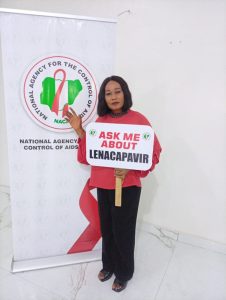
Research shows that so far there have been no infections among all the people who have received the LEN PrEP, showing almost 100% protection.
The World Health Organisation (WHO) adopted it in July 2025 as an additional PrEP option.
In Nigeria, NAFDAC approved it in the late 2025 and received regulatory clearance, with the country receiving its first batch of doses in March 2026, and subsequently distributed it to 8 pilot states.
The states are: Akwa Ibom, Anambra, Benue, Cross River, Ebonyi, FCT, Gombe, and Kwara.
Investigation revealed that since May 2026, all the pilot states are accessing the LEN, and the demand is very high, especially among sex workers who want privacy and no daily pills.
In Rivers State, although the Lenacapavir is expected to arrive soon, the daily oral PrEP (Truvada pill), and the two-months interval injectible (Cabotegravir) are available, and the relevant authorities are encouraging people to access the drug.
Sogbeba Dokubo
Health
Rivers SSP ’ll Enhance Equitable Access To HIV Services – RIVSACA Boss ….As Govt Urges Tireless Commitment


The Programme Manager, Rivers State Agency for the Control of AIDS (RIVSACA), Dr. Naaziga Francis, has stated that the State Strategic Plan (SSP) for HIV/AIDS will enhance necessary access to HIV Services in the State.
Francis, who stated this recently in a meeting for stakeholders working in the HIV/AIDS space in Rivers State, said the SSP, among others, will support equitable access to HIV services by providing a roadmap for HIV/AIDS response, and promote evidence-based programmes in the State.
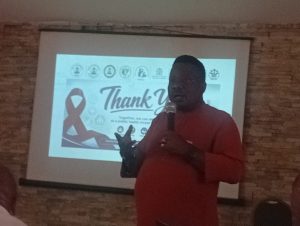
“The State HIV/AIDS Strategic Plan for 2025-2027 is the guiding document that provides guideline for the operations and response to HIV/AIDS in Nigeria and Rivers State”, he said.
At the meeting, tagged, “Dissemination of the Rivers State HIV Strategic Plan (SSP 2025-2027)”, held in Port Harcourt, the RIVSACA boss explained the importance of the SSP, saying the document was developed with support from the National Agency l Fund for AIDS, Tubaculosis (TB), and Malaria, to provide guidance and direction to what is already being done towards ensuring that people in Rivers State live HIV/AIDS-free life.
For the Control of AIDS (NACA), Global Fund for AIDS, Tubaculosis (TB), and Malaria, to provide guidance and direction to what is already being done towards ensuring that people in Rivers State live HIV/AIDS-free life.
He said: “the SSP provides a scientific and implementative science approach to the HIV response. People shouldn’t be emotional, the document will tell people using available data to guide you in terms of geographical prevalence, or age/sex distribution, cing the way the HIV strata is in the State.”

And factors that are influencing the way the HIV strata is in the State.”
He, therefore, advised stakeholders to derive their objectives, goals, and guidance as it relates to HIV/AIDS response from the SSP, saying “it is the national and state document that is authorised to provide such guidance, and also see that we do things in the right way.”
In his remark, the Secretary to the State Government (SSG), Dr. Samuel Wokoma, who was represented by the Rector of Special Duties Bureau in the office of the SSG, Prof. Samuel Ugochukwu Onyeka, acknowledged that the meeting was a gathering to present the SSP as a roadmap for every crusader and participant in the fight against the spread of HIV/AIDS and its mitigation.
He hinted that the availability of the SSP is an indication that a lot can be achieved going forward in the fight against HIV/AIDS.

“With this purpose of having a framework to work with, and be able to meet up with the global target to end HIV/AIDS as a public health threat by 2030, the strategic.
Plan is aimed at achieving a milestone within 2025-2027.
“So, it is expected that this will provide clear evidence-based targets, focus on high impact prevention, expanded testing, elimination of Mother-To-Child Transmission (MTCT), and unhindered access to Anti Retroviral Testing (ART)”, he stated.
The SSG continued that for all stakeholders, the availability of the SSP should be a “very important strategy that emphasises ownership by Rivers people to sustain domestic financing, and reducing reliance on external donor fluctuations, while strengthening our localised healthcare delivery.”
He called on all stakeholders to work closely together with government Ministries, Departments, and Agencies (MDAs), as well as parastatals, knowing that “no one aspect of the MDAs will be able to achieve the desired results.”
Expressing the hope that in the process, there will be reasonable reduction in stigmatisation, which, he said, is the reason for the meeting, and hence a call for stakeholders to recommit to the fight against HIV/AIDS, which also include protecting the dignity and human rights of people living with HIV/AIDS in the State.
He also called for accountability, saying, “let us use today’s forum not just to unveil a document, but to build an actionable framework for transparent monitoring and implementation.”
On her part, the Chief Programme Officer, NACA, Priscilla Odangla, congratulated the State Government under the leadership of Sir Siminalayi Fubara, the Commissioner for Health, the State Ministey of Health, and RIVSACA on the successful development of the SSP 2025-2027.
She said the achievement reflects the “strong leadership and commitment of the State Government, as well as the collaborative efforts of key stakeholders, including development partners, Civil Society Organisations (CSOs), mplementing partners, community-based organisations, Networks of People Living With HIV.
She noted that their collective contributions ensured that the SSP is evidence-based, inclusive, and aligned with the national HIV response priorities and global targets for ending AIDS as a public health threat in 2030.
Noting that the SSP represents a framework for strengthening the coordination, effectiveness, and sustainability of HIV response at the state level, she called on the state government to do more.
She said: “As the State moves into the implementation phase, and in the face of dwindling donor support, NACA strongly encourages the State Government and all stakeholders to take full ownership of the SSP by integrating its priorities into state policies, sectorsl plans, and annual budgets, while strengthening coordination, monitoring and accountability mechanisms.
“The effective implementation of this strategic plan will be instrumental in achieving improved health outcomes and sustaining the gains already made in the fight against HIV.”
She also assured the commitment of NACA in working with the State Government and partners to provide technical leadership, coordination, and strategic support to ensure that the goals and objectives of the SSP are successfully realised.
Sogbeba Dokubo
To address the increasing number of rape and defilement cases in Lagos communities, the State Ministry of Health has trained healthcare workers on the prevention and management of sexual assault cases.
The Director, Public Affairs in the ministry, Tunbosun Ogunbanwo, in a statement on Monday said the training equipped health workers with the knowledge and skills to provide professional, compassionate, and timely care to survivors.
Dr Folasade Oludara, Director, Family Health and Nutrition, State Ministry of Health, said the growing number of rape and defilement cases in Lagos communities necessitated the upskilling of healthcare workers who are often the first responders to survivors.
Oludara, represented by Dr Oluwatosin Onasanya, Deputy Director, Child Health, said the government recognised the critical role of health professionals in both clinical management and legal documentation of sexual assault cases.
She explained that the training was designed to ensure healthcare workers are adequately equipped to identify, document, and manage sexual assault cases effectively.
According to her, the training will strengthen Lagos’ coordinated health system response to gender-based violence.
She disclosed that the state government had already provided equipment and specimen collection tools to health facilities, noting that the training complemented this investment by building the competence of personnel handling such sensitive cases.
Oludara explained that doctors and nurses at the primary, secondary, and tertiary levels who serve as first contact points for survivors were carefully selected from all 57 LGAs and LCDAs, particularly from areas with higher incident rates.
The SGBV Programme Manager, Lagos State Ministry of Health, Dr Juradat Aofiyebi, emphasised that the capacity-building initiative was a strategic step toward improving survivor-centred healthcare delivery and prosecution outcomes.
Aofiyebi added that the training underscored the government’s commitment to reducing the prevalence of sexual assault through a robust, multi-sectoral approach.
“The training provides healthcare workers with the knowledge to properly identify survivors, document findings accurately, and provide comprehensive care, all of which contribute to justice delivery and prevention of repeat offences.
She said the ministry would sustain such training to ensure that every survivor who presented at a Lagos health facility received quality, non-judgmental care.
Mrs Adebanke Ogunde, Deputy Director, Directorate of Public Prosecutions (DPP), Lagos State Ministry of Justice, highlighted the importance of medical documentation in sexual assault trials.
She explained that most convictions hinge on the quality of medical reports and forensic evidence provided by healthcare professionals, noting that medical reports served as vital corroborative evidence in court, particularly in cases involving children.
“Your medical reports are crucial; they can determine whether justice is served or denied,” she said.
Ogunde reminded health workers of their legal duty to report suspected sexual assault cases to the police or the Lagos State Domestic and Sexual Violence Agency (DSVA).
Similarly, Dr Oluwajimi Sodipo, Consultant Family Physician, Lagos State University Teaching Hospital (LASUTH), underscored the importance of timely medical attention, psychosocial support, and non-stigmatising care for survivors.
Sodipo explained that immediate presentation within 72 hours of assault improved chances of preventing infections and collecting viable forensic evidence.
He commended Lagos State for sustaining its inter-agency collaboration and continuous professional training on SGBV.
Sodipo, however, called for the strengthening of DNA and forensic capacities, improved insurance coverage, and better remuneration for healthcare workers.
“We must sustain motivation and continuous retraining if we want to retain skilled professionals and enhance justice outcomes,” he added.
Also, Mrs Margret Anyebe, Claims Officer, Lagos State Health Management Agency (LASHMA), said domestic and sexual violence response had been integrated into the ILERA EKO Health Insurance Scheme.
Anyebe explained that survivors of sexual and domestic violence are covered for medical treatment, investigations, and follow-up care under the state’s Equity Fund for vulnerable groups.
“Hospitals are to provide first-line care, document, and refer survivors appropriately, while LASHMA ensures prompt reimbursement and oversight,” she said.
-
Business1 day ago
PHICCIMA President Welcomes N60m BOI Micro, SMEs Initiatives
-
Business1 day ago
FG Commences N1.45trn Port Upgrade, Targets 20,000 Jobs
-
Politics1 day ago
Tinubu Hails Atiku For National Dev Efforts
-
News1 day ago
IG Suspends Wanted Declaration Against Obaigbena, Eight Others
-
Rivers1 day ago
Maritime Security: Expert Advocates Active Marine Surveillance, Coast Guard Agency Establishment …. Wants Presidential Endorsement for his group
-
Politics1 day ago
Political Killings: Consider Emergency Rule In Delta, Reps Tell Tinubu
-
Business1 day ago
FAAN Reopens Owerri Airport … Limits Flight Operations To Daytime Services
-
Politics1 day ago
2027: 108 Rivers Groups Jostle To Work With Chinda’s Campaign