
Oil & Energy
IPMAN Blames High Kerosene Price On Foreign Exchange

The Factional Chair
man of the Independent Petroleum Marketers Association of Nigeria (IPMAN) in Kwara State, Alhaji Olanrewaju Okanlawon, has attributed the recurring hike in the price of kerosene to the unstable foreign exchange occasioned by the lingering economic recession.
Okanlawon who revealed this in Ilorin last Saturday said that the association should not be blamed for the series of complaints emanating from members of the public, particularly from domestic users of the product.
He explained that the association was not in any deliberate move to inflict hardship on the masses whom he noted, were already facing hardship due to the economic recession.
He noted that it would be unfair to compound the economic situation of the people by needlessly jacking up the price of kerosene in an attempt to make additional profit.
According to the IPMAN factional boos, the domestic cooking commodity is being imported and the situation will persist unless government encourages the right measures to stablise the nation’s economy.
“It is necessary of the government to effect surgical operation on the country’s monetary policy to reduce over-dependence on dollars.
“It remained the determinant factor in the foreign exchange policy of the Federal Government”, he said.
He, however, noted that the effect of the foreign exchange was not peculiar to the Petroleum sector, saying it had become pervasive in every sector of the economy and stressed the need for the government to devise a timely action to stem the tide.
“The major factor that is bringing everything up is the dollar, because most of these products are imported.
“As long as kerosene is sourced with dollars, definitely the price will go up.”
“If you are talking about high cost of kerosene and cooking gas, what do you have to say about aviation fuel that has also risen”, he said.



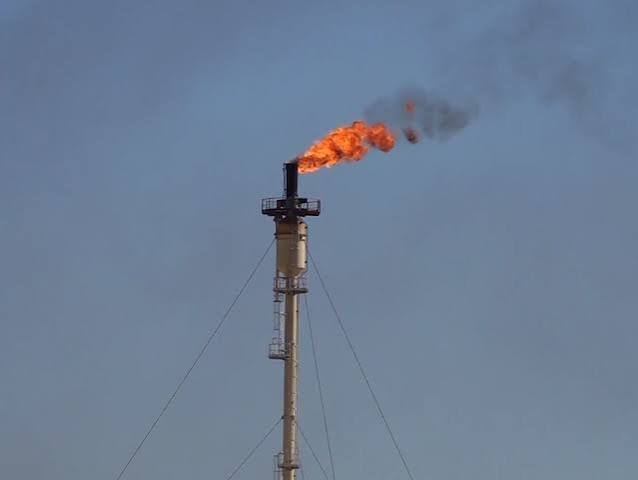

Excluding Oman, their oil exports reached 18.4 million bpd in October, although shipments remained 26 per cent below prewar levels. Crude oil exports alone totaled 15 million bpd, equivalent to 82 per cent of their volume before the conflict.
Despite the prospect of excess supply, the IEA continues to identify two major sources of uncertainty: depleted onshore inventories and the security of maritime transport.
Its latest projections indicate that the recovery in global oil supplies has outpaced its earlier expectations. The market now faces the prospect of a surplus before the end of 2026, although low inventories on land and risks to shipping routes remain unresolved.
-
Business3 days ago
PHICCIMA President Welcomes N60m BOI Micro, SMEs Initiatives
-
Politics3 days ago
Tinubu Hails Atiku For National Dev Efforts
-
Business3 days ago
FG Commences N1.45trn Port Upgrade, Targets 20,000 Jobs
-
Politics3 days ago
2027: 108 Rivers Groups Jostle To Work With Chinda’s Campaign
-
Politics3 days ago
Political Killings: Consider Emergency Rule In Delta, Reps Tell Tinubu
-
Politics3 days ago
Amupitan Tasks RECs On Flawless Mock Election, ’Morrow
-
Politics3 days ago
My Ribadu’s Phone Tapping Claim Was Political Rhetoric, El-Rufai Tells Court
-
News3 days ago
IG Suspends Wanted Declaration Against Obaigbena, Eight Others