
Business
W’African Countries Move To Steady Power Supply

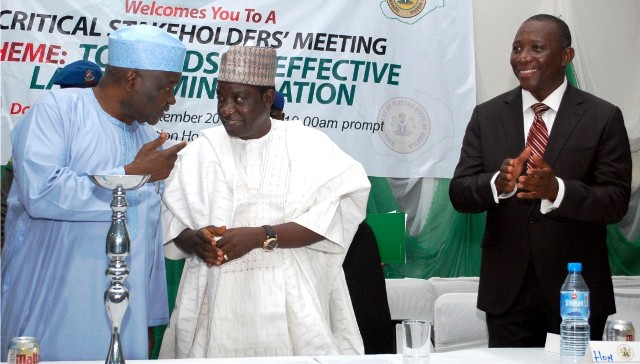
Representatives of
West African countries will next week converge on Lagos for a workable blueprint that will ensure steady power supply in Nigeria and other West African countries, the organisers have said.
Mr Oti Ukpai, Chief Executive Officer of Flintpostures, made the disclosure on Saturday at a Roundtable with journalists to announce the 2nd West Africa Power Summit (WAPS) in Lagos.
The theme of the summit is “Developing Sustainable Power Generation, Transmission and Distribution Networks for West Africa’’.
Ukpai said the summit would bring together experts and stakeholders in the power sector from Ghana, Republic of Benin, Nigeria and other West African countries.
“Power supply in Nigeria and other West African countries is by the day becoming unencouraging to us as individuals, private and public organisations.
“We really want to see development in Nigeria and other West African countries, and the best way to do this is to come together in ensuring linked steady power supply in the sub-region.
“This summit will bring together governments, private investors, businesses and citizens from the region.
“The aim is to place our region on a sustainable and prosperous path by removing obstacles that have continued to impede steady power supply in our countries,’’ he said.
Ukpai said that speakers and discussants were selected to deliberate on the urgent need for the region to focus on rural electrification and alternative and renewable energy sources.
He expressed optimism that the provision and access to steady power supply would not only promote socioeconomic development, but would easily link the region with the rest of the world.
The Flintpostures chief said the summit was jointly being organised by Power for All, Council for Renewable Energy, Nigerian Electricity Regulatory Commission (NERC) and other energy organisations.
He said that his organisation, Flintpostures, was committed to creating the right platforms for connecting leaders, investors and policy makers for the development of African countries.



Business
Jonathan, Diri, Others Laud Firm’s Milestone in Bayelsa …Says Project Will Drive Industrialisation, Create Jobs



-

 News3 days ago
RSG Targets Nine Million Residents in Mosquito Net Distribution Campaign
-

 Oil & Energy3 days ago
Aiyedatiwa Signs New Electricity Bill
-

 Oil & Energy3 days ago
NLNG Commissions Research And Innovation Centre In RSU
-

 Maritime3 days ago
Marine Minister Commends President Tinubu On NPERA Bill Assent
-

 News3 days ago
KenPoly Holds Eight Convocations, August 29
-

 News3 days ago
RSG Begins Another Phase of Projects Commissioning Today
-

 News3 days ago
RMAFC Completes Revenue Sharing Review, Proposes New Pay
-

 Maritime3 days ago
NAGAFF Petitions IGP Over Alleged Maritime Police Harassment