
Business
Fast-Food Workers Protest In US

The campaign to get fast-food workers paid at least $15 per hour resumed on Thursday across the United States. Union organisers led workers to walk off their jobs in 150 cities nationwide.
Restaurants that were affected include McDonald’s, Burger King, Wendy’s and KFC, which is owned by Yum Brands.
The action would be the latest in a two-year effort to get employers to pay them a minimum wage of $15 an hour and allow them to form unions without retaliation.
Nancy Salgado, a 27 year old single mother of a three-year old boy and an eight-year old girl, told CNN that she plans to strike.
Salgado works at a McDonald’s in the Logan Square area of Chicago earning $8.25 an hour, or about $600 a month take home pay.
After splitting rent and utilities with three roommates, and paying for child care, she’s left with a little over $100 a month for food and everything else.
“If I have a dollar at the end of the month it’s a miracle,” Salgado said.
Currently, the median pay for fast-food workers is just over $9 an hour, or about $18,500 a year. That’s roughly $4,500 lower than the Census Bureau’s poverty threshold level of $23,000 for a family of four.
Thursday’s action came more than a month after the National Labor Relations Board’s general counsel ruled that McDonald’s is a joint employer that exerts substantial power over working conditions at its franchisees. The ruling, if upheld, means McDonald’s could be held liable for labour violations at its more than 12,000 franchisee-owned restaurants.
McDonald’s has contended that franchisees operate as independent businesses and that, therefore, it’s not liable.
In March, McDonald’s workers filed seven class-action lawsuits in New York, California and Michigan over wage theft violations. The suits allege that McDonald’s has forced employees to work off the clock, not paid them overtime and struck hours off their time cards.
McDonald’s did not respond to a request for comment on the status of the class action suits or the preliminary ruling by the National Labour Relations Board.
Union organizers say the movement has elevated the debate about inequality in the U.S. and helped raise the minimum wage in some states, including Connecticut and New Jersey.
Public policy group Demos says CEO compensation in the industry since 2000 quadrupled to $24 million, while the average fast-food worker’s wage only increased 0.3%. Fast-food CEOs make 1,000 times more than the average worker in the industry, according to Demos.
U.S. census data show that the face of the fast-food worker has changed dramatically over the years. Workers over the age of 20 now make up 70% of the workforce and nearly 40% have children. A third of them have spent some time in college.
Salgado, who didn’t finish high school, said she’ll do whatever she has to to win the fight for a $15 minimum wage and a union.
“My eight-year old daughter tells me ‘Everything is OK mommy,’ and I tell her, ‘yes,’” said Salgado. “But when she goes to sleep I know it’s not OK.”



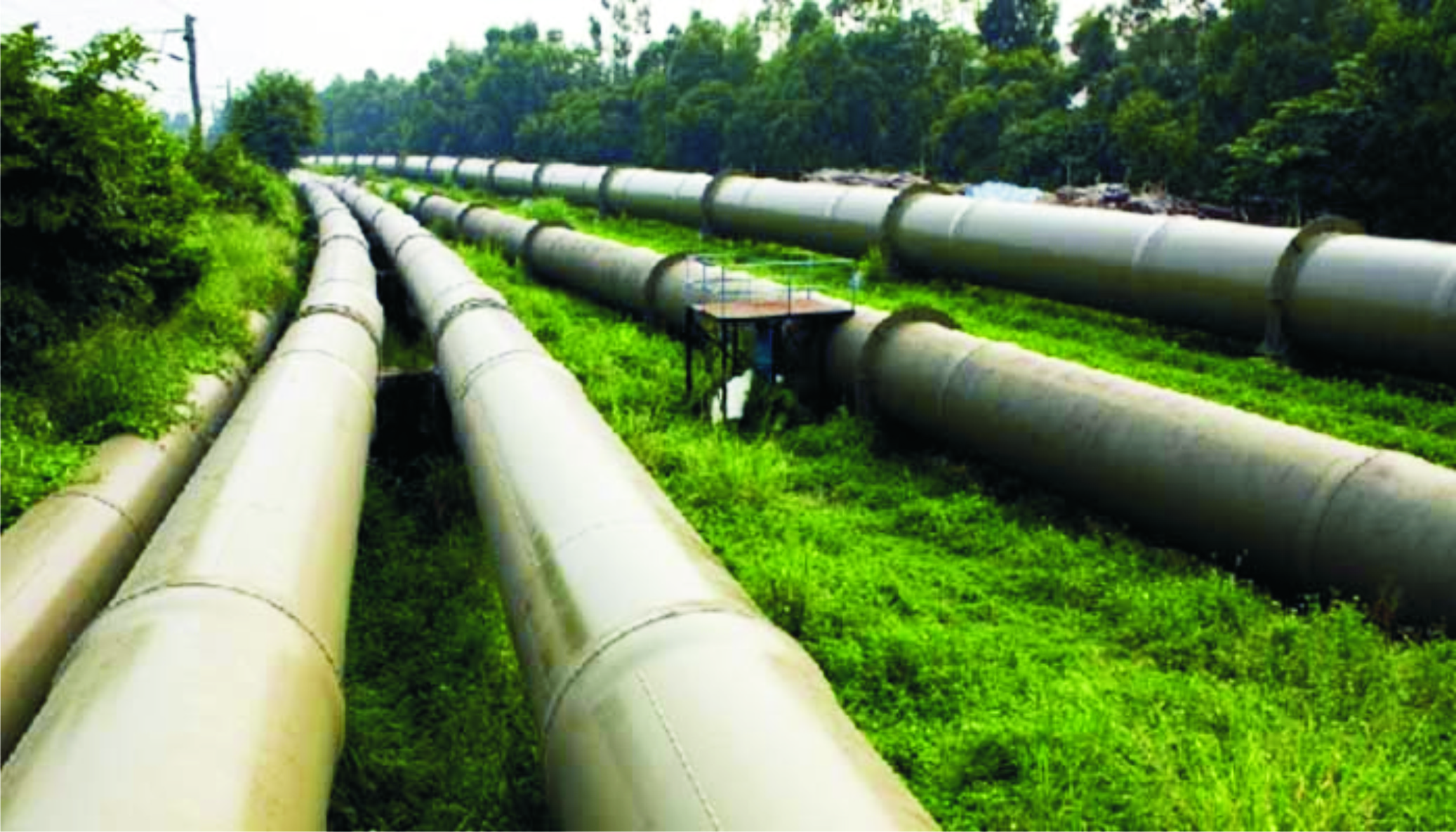
This figure is against the already released 40 slots by the company.
Consequently, the youths have moved to convene a national congress of youths to address issues relating to the oil exploration, which has sparked palpable divisions in the area.
Speaking during the inauguration of the Planning Committee for the Congress, in PortHarcourt, at the weekend, the President-General of OYF, Worldwide, Engr. Legborsi Yamaabana, described the congress as urgent, and targetted at addressing all issues arising from the planned oil resumption.
He said “The Ogoni nation stands at a critical crossroads in its history. We acknowledge the renewed political attention of the Federal Government of Nigeria under the leadership of His Excellency, President Bola Ahmed Tinubu (GCFR), particularly regarding the proposed resumption of oil and gas exploration in Ogoniland after more than three decades of suspension.
“While we recognize this development as a significant national conversation, we emphasize that any engagement concerning Ogoniland must be anchored on the principles of environmental justice, equitable benefit-sharing, and the protection of the dignity, rights, and future of the Ogoni people especially our youth, who remain the custodians of tomorrow.
“The Ogoni struggle is not merely historical; it is living, evolving, and central to the future of sustainable development in the Niger Delta and Nigeria at large.”
He called for calm over the 40 job opportunity given to the area by the NNPCL, insisting that such allocation was insufficient compared to the contribution of Ogoni to the economy.
Yamaabana rather requested that NNPCL, as a matter of importance, give 500 job slots to youths of the area,
In the interim, the leadership of OYF Worldwide has observed the unnecessary tension and uproar surrounding the reported 40 slots of employment opportunity allocated to Ogoni youths in NNPCL and its subsidiaries, as part of Federal Government confidence-building measure toward the resumption of oil and gas activities in Ogoniland.
“We strongly appeal to all Ogoni political, traditional, and community leaders to sheath their swords, maintain calm, and refrain from unnecessary squabbles over crumbs.
“Without preempting the sovereign deliberations of the upcoming Congress, let it be noted that Ogoni youth will not settle for tokenism.
“At the upcoming Congress, we shall formally demand a minimum of 500 direct employment opportunities within the Nigerian National Petroleum Company Limited (NNPCL) and its subsidiaries for qualified Ogoni youths, who have been economically sidelined and left inactive throughout this 33-year stalemate.”
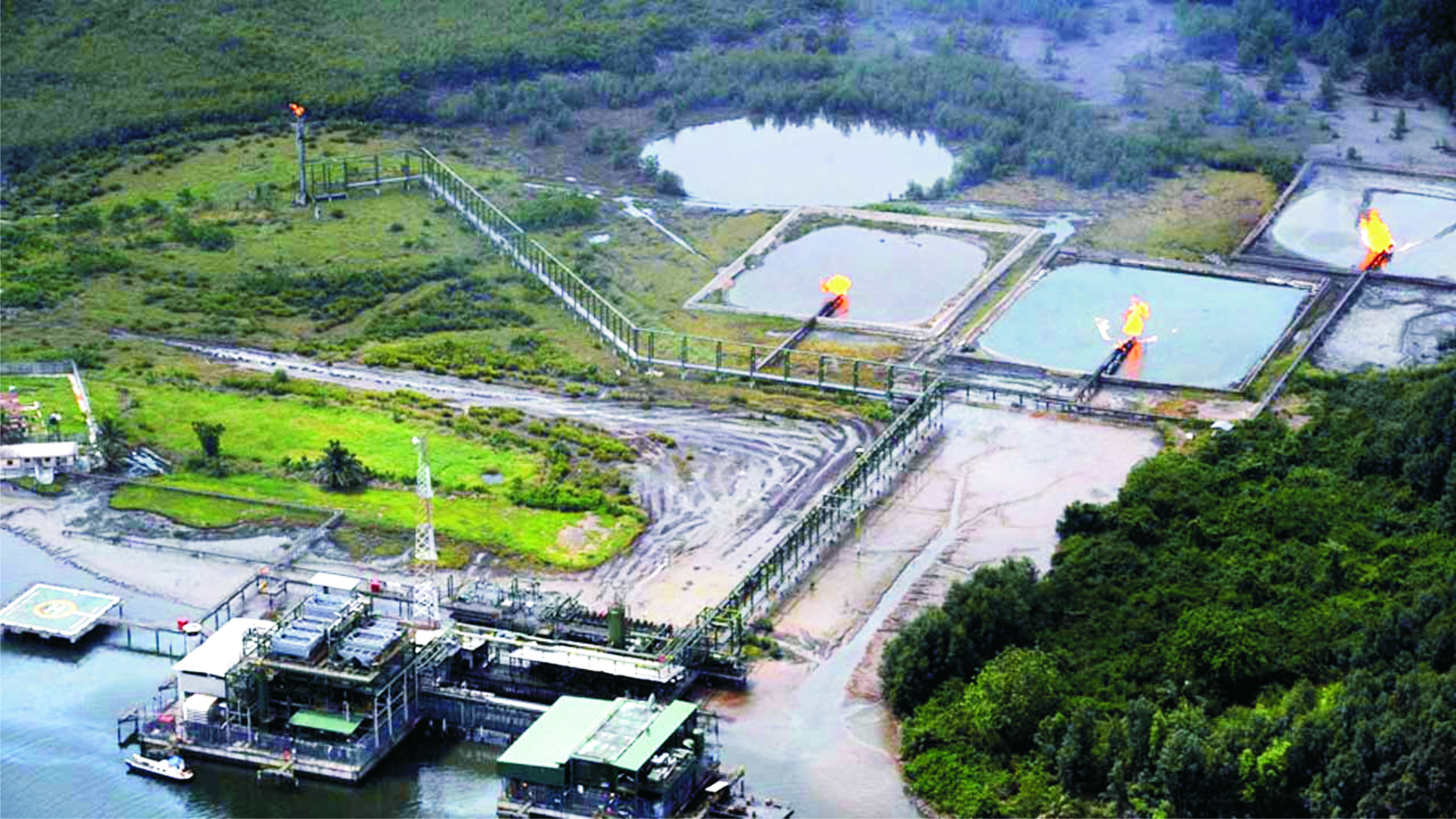
Minister of State for Petroleum Resources (Oil), Senator Heineken Lokpobiri, made the pledge while speaking in his keynote address at the just-concluded OGTAN Human Capital Development Conference and Expo, held in Warri, Delta State.
Lokpobiri said Nigeria was well-positioned to build a world-class oil and gas workforce, backed by growing investor confidence and an unprecedented pipeline of major projects heading towards Final Investment Decisions.
He described Nigeria as an emerging global investment hub, attributing the development to the incentive-driven reforms of President Bola Tinubu, which he said had improved the country’s competitiveness for international capital.
According to him, the pipeline of projects moving towards final investment decisions would require professionals trained to globally competitive standards, with much of the training expected to be delivered through OGTAN’s more than 400 members.
“Those human beings are members of the public who must have been trained by OGTAN, who are expected to have the competence to deliver those projects, not just for Nigeria, but for the entire world,” he said.
Lokpobiri noted that many lecturers and resource persons across Nigerian universities and tertiary institutions were still working with materials that had not kept pace with a modern, AI-driven industry.
He stressed the need to retrain trainers to equip the next generation of engineers, technicians and other professionals with the skills demanded by the industry.
“If the training system underpinning that capital is still operating on a 50-year-old blueprint, the risk is that Nigeria’s newly de-risked capital arrives faster than its newly-promised workforce can be built,” he said.
“As government, what we do is see how we can support OGTAN members. The government is committed to this, and we are doing it through NCDMB and the NOGICD Act,” he said.
Lokpobiri urged OGTAN to expand its focus across the continent, noting that countries such as Angola, Congo and Gabon already depended on Nigerian-trained oil and gas professionals.
“The rest of Africa is depending on human resources from Nigeria, and someone must be responsible for training that human capital, not just for Nigeria,” he said.

PENGASSAN also urged the government to submit recent executive orders on the petroleum industry to the National Assembly as an executive bill seeking amendments to the Petroleum Industry Act, a process more transparent and involving all stakeholders.
The union made the demands in a Communiqué signed by the PENGASSAN president, Comrade Festus Osifo, and its General Secretary, Comrade Jerry Amah, at the end of its three-day 5th PENGASSAN Energy and Labour Summit, held from August 19 to 21, 2026, in Abuja, and themed ‘Strengthening Regulatory Frameworks as a Catalyst for Stability and Growth in Nigeria’s Oil and Gas Industry’.
It urged the government and regulatory institutions to minimise abrupt policy changes and ensure adequate consultation with stakeholders before introducing major changes in the industry.
PENGASSAN also called for improved coordination among regulatory and government agencies to eliminate overlapping mandates, repetitive approvals and conflicting directives which, it said, increased the cost of doing business and weakened Nigeria’s competitiveness for global energy capital.
The union said regulation should protect national interests, workers, host communities, investors, safety and the environment while enabling legitimate businesses to operate efficiently.
It urged regulators to embrace digitalisation, set clear approval timelines, and adopt transparent processes, arguing that regulatory effectiveness should be measured by its impact on investment, production, revenue generation, worker protection, and national value creation.
On investment and production, PENGASSAN said Nigeria could not rely solely on its large hydrocarbon reserves to attract investors, noting that the country was competing with other oil-producing jurisdictions for limited global capital.
It therefore urged the government to consolidate recent reforms and incentives that had encouraged fresh investments and Final Investment Decisions in the sector.
The association also identified gas as a key driver of industrialisation, noting that Nigeria had more than 215 trillion cubic feet of proven gas reserves regretting however that it is yet to fully convert the resource into reliable energy and economic growth.
It called for an integrated national gas development strategy covering upstream supply, processing, pipelines, storage, LNG, LPG and CNG infrastructure.
PENGASSAN further urged the government to accelerate the use of gas for electricity generation, manufacturing, transportation, fertiliser, petrochemicals and domestic cooking, while reducing routine gas flaring and methane emissions.
The union also called for sustained policies and investments to expand domestic refining capacity and reduce Nigeria’s dependence on imported petroleum products.
It stressed the need to protect refineries operating within Nigeria, including the Dangote and Waltersmith refineries, saying greater domestic refining and processing would create jobs, conserve foreign exchange and promote industrial development.
-
Sports13 minutes ago
Arsenal Want Osimhen To Take Pay Cut
-
Sports1 hour ago
PH TO HOST NPBL PLAYOFFS
-
 Business60 minutes ago
FAAN Sack Contract Company Over Illegal Parking Fees
-
Politics2 hours ago
I Don’t Want To Be Tinubu’s 2027 Campaign DG, Lose Rivers — Wike
-
Politics59 minutes ago
Duke Attacks Tinubu’s Economic Policies, Says Subsidy Removal Impoverishes Masses
-
Sports2 hours ago
NSC Celebrates Historic Beach Volleyball Olympic Qualification
-
Politics59 minutes ago
No Propaganda’ll Stop Rivers Voters From Supporting Tinubu – Dike
-

 Sports2 hours ago
Prof. Zeb-Obipi Congratulates Port Harcourt Arsenal Community