
Oil & Energy
PHEDC Blames Poor Supply On Transformer Theft

Authorities of the Port
Harcourt Electricity Distribution Company of Nigerian (PHEDC) have blamed the low shedding currently suffered by consumers in Yenagoa, the Bayelsa State capital on vandalism of electricity transformers and stealing.
The Public Affairs Manager of PHEDC, John Onyi, who disclosed this in Yenagoa said Yenagoa Business Unit of the company receives between 34 and 50 megawatts out of load demand of 60 megawatts.
His explanation was coming on the heels of mountain complaints by consumers in Yenagoa and its environs over erratic power supply, over-billing amongst other vexing issues.
Onyi lamented that what PHEDC gets from the national grid was not enough and pointed out that the situation made the company embark on load shedding among the five 33kv feeders serving the city.”
He also said only 2,585 customers, out of a customer population of 12,350 paid their electricity bills for the month of July, 2014.
According to him, Yenagoa Business Unit had lost ten distribution transformers, ranging from 200Kva-250Kva, to the nefarious activities of vandals.
He listed Gwegwe street, Ebis Mechanic Road, Ministry of Tourism, Bossy Water Tombia Road, Mgbongbon Plaza, Opolo Housing Estate and Sani Abacha Expressway as areas in the state capital badly affected by the unwholesome acts of vandalism.
The Public Affairs Manager who decried high incidents of harassment, intimidation and physical assaults of company staff embarking on debt recovery, said the business unit also recorded a loss of about 65 per cent of revenue to energy theft since its inception in November last year.
He appealed to communities and individuals to stop harassing and inflicting injuries on the company employees but to rather step up vigilance and report suspicious movement around installations to law enforcement agencies for prompt anctions.



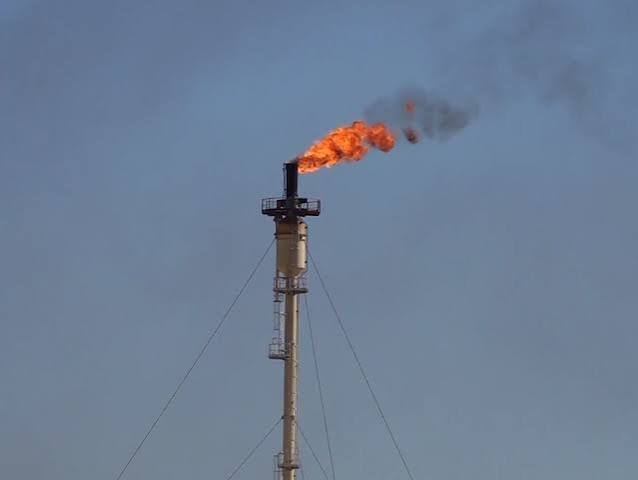

Excluding Oman, their oil exports reached 18.4 million bpd in October, although shipments remained 26 per cent below prewar levels. Crude oil exports alone totaled 15 million bpd, equivalent to 82 per cent of their volume before the conflict.
Despite the prospect of excess supply, the IEA continues to identify two major sources of uncertainty: depleted onshore inventories and the security of maritime transport.
Its latest projections indicate that the recovery in global oil supplies has outpaced its earlier expectations. The market now faces the prospect of a surplus before the end of 2026, although low inventories on land and risks to shipping routes remain unresolved.
-
News3 days ago
Parents Protest Scholarship Scheme Suspension At PAMO Varsity
-
 News3 days ago
US Hails Nigerian Military For Rescuing 125 Kidnap Victims
-
Business4 days ago
Reps Raise Alarm Over N2trn Agricultural Loan Diversion
-
News13 hours ago
Bayelsa Boat Mishap: Tinubu Donates N250m As Death Toll Hits 29
-
News13 hours ago
Odu Pays Tribute To Late Chinwah, Describes Him As Courageous, Selfless Academic
-

 Featured3 days ago
Presidents Xi, Trump, Putin Commit To Global Stability, Denuclearisation
-
Politics4 days ago
ADC Faults INEC’s Alleged Limited Capacity To Upload Election Result On IREV
-
Politics4 days ago
Tinubu Expands 2027 Campaign Tour To 19 States