
Oil & Energy
TUC Urges Public Discussion On PIB

The Trade Union Congress (TUC) has stressed the need for people in the oil producing communities to study the new draft of the Petroleum Industry Bill (PIB) before its enactment into law.
The chairman, Chika Onuegbu in an interview with journalists in Port Harcourt recently, said there are some aspects of the bill which may have consequences on oil producing communities if eventually passed into law.
He pointed out that with proper enactment, people in the oil producing communities could make their input into the bill for the benefit of their communities, describing the bill as the most important legal document out of the Nigerian constitution.
“The future of this country depends on the PIB and for those of us from the Niger Delta, the bill, honestly must be taken very seriously”, Onuegbu said, adding “for instance, we are talking about additional 10 per cent of money that would come to these communities.”
According to him, since the communities are not aware of the content of the bill and are not prepared for it, it has become imperative that people come together to discuss it.
The TUC chairman said civil society groups, the Niger Delta Civil Society Coalition, Christian organizations and other stakeholders should be given the opportunity to come together and articulate their views and ensure that those things incorporated in the PIB are established.
He posited that the PIB review would be made available on public domain such as PENGASSAN and TUC websites for those who are interested in studying and making input.
Said he: “The moment the PIB is passed into law, it means that the framework for the full deregulation of the downstream sector would have been laid out, so it is important that people take care”.
Onuegbu was of the view that the issue of oil block licences should be made competitive as it is part of what the PIB aims to achieve.
Shedie Okpara




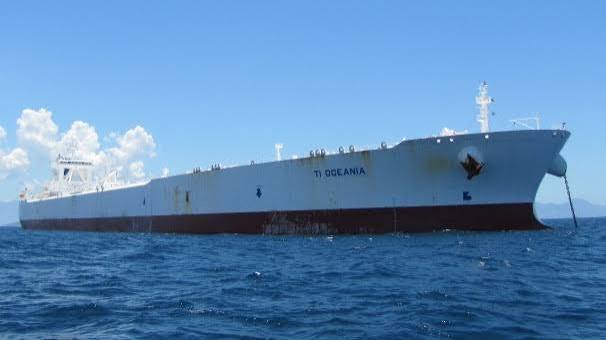
Excluding Oman, their oil exports reached 18.4 million bpd in October, although shipments remained 26 per cent below prewar levels. Crude oil exports alone totaled 15 million bpd, equivalent to 82 per cent of their volume before the conflict.
Despite the prospect of excess supply, the IEA continues to identify two major sources of uncertainty: depleted onshore inventories and the security of maritime transport.
Its latest projections indicate that the recovery in global oil supplies has outpaced its earlier expectations. The market now faces the prospect of a surplus before the end of 2026, although low inventories on land and risks to shipping routes remain unresolved.
-
Business2 days ago
PHICCIMA President Welcomes N60m BOI Micro, SMEs Initiatives
-
Politics2 days ago
Tinubu Hails Atiku For National Dev Efforts
-
Business2 days ago
FG Commences N1.45trn Port Upgrade, Targets 20,000 Jobs
-
Politics2 days ago
2027: 108 Rivers Groups Jostle To Work With Chinda’s Campaign
-
Politics2 days ago
Political Killings: Consider Emergency Rule In Delta, Reps Tell Tinubu
-
Politics2 days ago
Amupitan Tasks RECs On Flawless Mock Election, ’Morrow
-
Politics2 days ago
My Ribadu’s Phone Tapping Claim Was Political Rhetoric, El-Rufai Tells Court
-
News2 days ago
IG Suspends Wanted Declaration Against Obaigbena, Eight Others