
Business
FG To Begin Electric Vehicle Pilot Programme In Three Universities

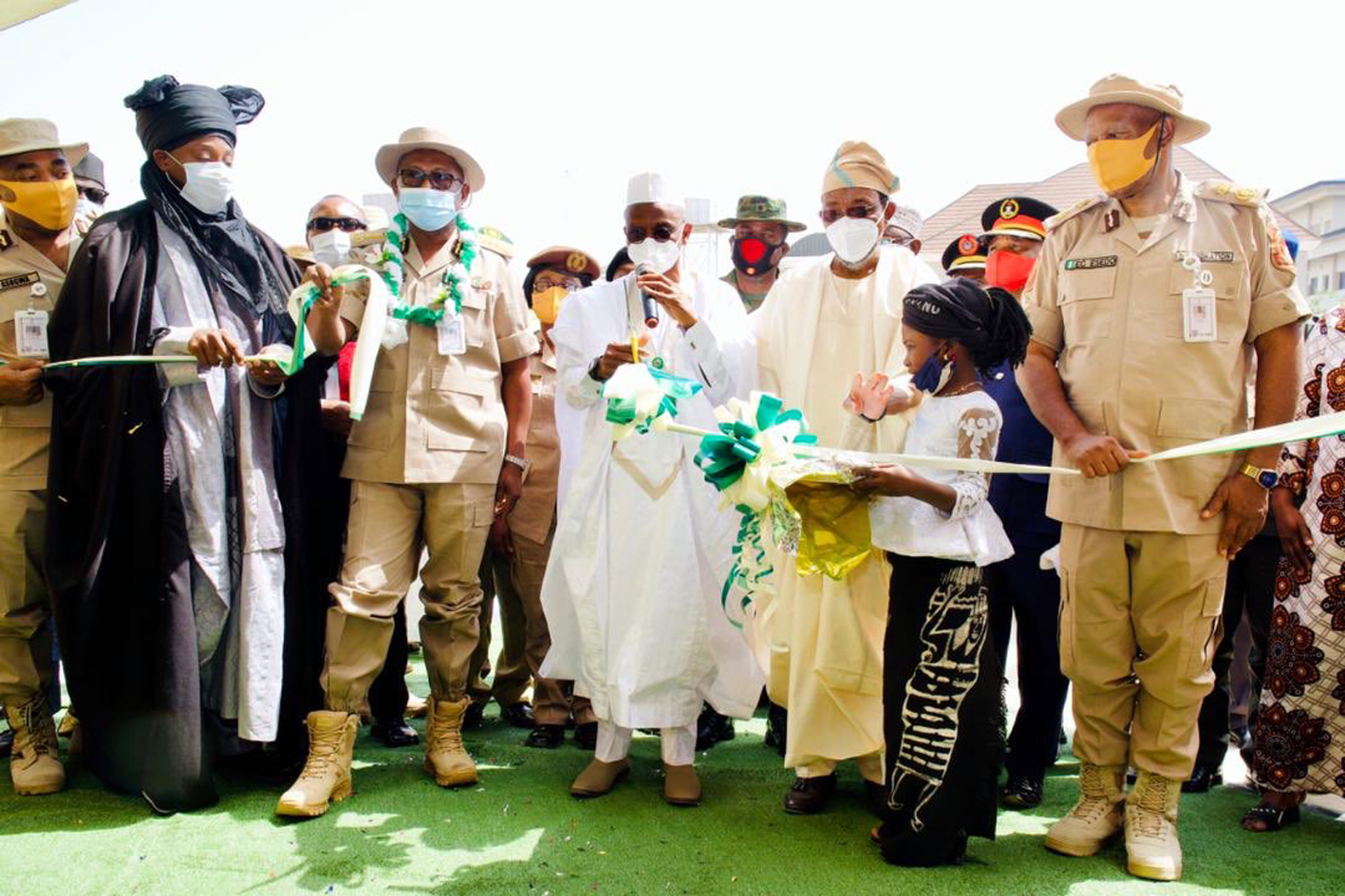
Director-General, National Automotive Design and Development Council (NADDC), Mr Jelani Aliyu, has announced plans by the Federal Government to begin Electric Vehicle (EV) pilot programme in three universities.
The institutions are the Usmanu Danfodio University, Sokoto; University of Nigeria, Nsukka and the University of Lagos.
He stated this in Abuja last Friday at the official unveiling of the Hyundai Kona car, Nigeria’s first locally-assembled 100 per cent electric car, manufactured by Stallion Group.
According to him, the programme is part of National Automotive Industry Development Plan (NAIDP) five-point comprehensive programme aimed at promoting local production of vehicles.
Aliyu said that the NADDC was in partnership with the renewable energy research centres and engineering departments of the three universities in kick-starting the pilot project.
“We are collaborating with the Usman Danfodio University, Sokoto, University of Nigeria, Nsukka and the University of Lagos.
“We have started the construction of three solar power charging stations and we shall soon be deploying a series of electric vehicles that will be used for this programme.
“We intend to set up a monitoring and evaluation unit comprising of the NADDC, the academia and the representatives of the private sector, especially those who have produced these electric vehicles we shall be using,” he said.
The NADDC boss said that EVs have far less parts/components, and will require less maintenance.
Aliyu added that the limited number of needed components would allow Nigerian companies to achieve higher percentage of local content.
“We are working with relevant stakeholders to ensure that this type of technology is effectively deployed in Nigeria.
“As a result of our collaborative efforts, Hyundai Nigeria is unveiling its EVs which is a significant milestone in the automotive sector in Nigeria.
“Nigeria is signatory to the 2016 Paris Accord which mitigates greenhouse gas emissions, and EVs will allow us to meet those targets and provide cleaner air/environment for our people.”



-

 Niger Delta15 hours ago
Diri Restates Stance On Lagos-Calabar Coastal Highway
-

 Niger Delta15 hours ago
C’River, NUJ Pay Tribute To Late Guardian Editor
-

 News17 hours ago
NDLEA Recovers Tons Of Illicit Drug Consignments In Nine States
-

 Opinion15 hours ago
Checking Voter Apathy In Nigeria’s Electoral Process
-

 Sports12 hours ago
Nigerian Trio Target Titles At PFL Africa Finals
-

 Education13 hours ago
FCE Yola Graduates 3,555 Teachers , Seeks Upgrade to University
-

 Politics13 hours ago
2027: DICKSON’S EX-ALLY VOWS TO WORK AGAINST NDC INTEREST IN BAYELSA
-

 Politics13 hours ago
2027: GROUP PLEDGES 40,000 SUPPORTERS FOR COALITION CANDIDATES IN RIVERS